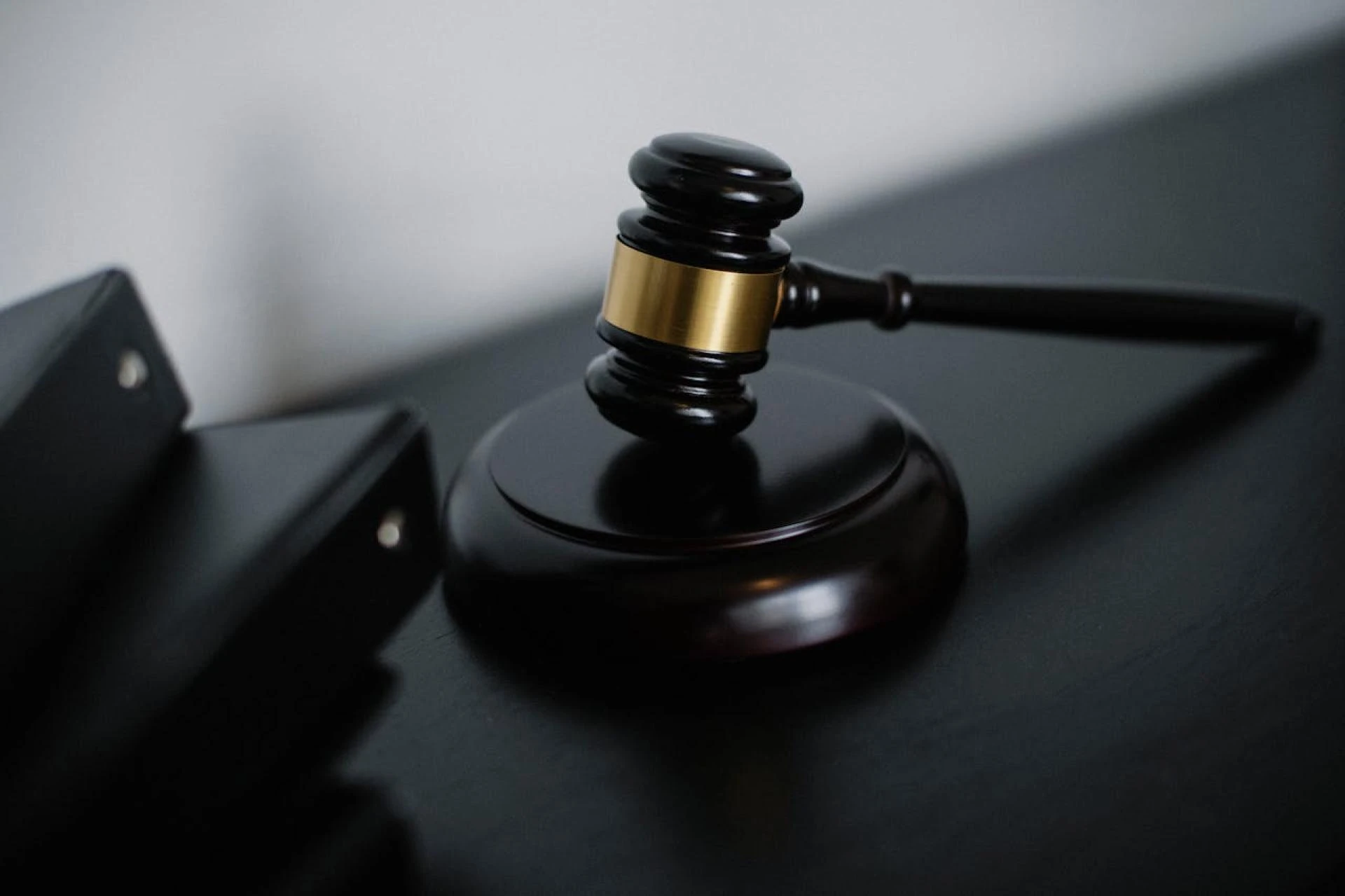

In cases where a trial depends on a particular expertise, expert witnesses are brought in to clarify difficult issues to the judges and the jury. Their testimony can be very convincing, and in many cases, it can determine the result of a case. The instrument by which attorneys challenge the soundness of expert testimony, identify strengths and weaknesses, and provide the court with a fair perspective is cross-examination. It does not just question the expert findings, but also makes the trial itself more legitimate.
Knowing the role of the Expert in Court
Expert witnesses are not ordinary witnesses, as they provide opinions, not just facts. They owe their authority to education, professional background, and experience. An example would be inviting a medical officer to testify on the cause of an injury or inviting an engineer to testify on whether a building was built safely. Since the jury might not be able to interrogate technical expertise, the expert might seem to be almost beyond reproach in terms of credibility. It is because of this that cross-examination is a necessary process to bring the scales to balance.
Cross-examination has nothing to do with the undermining of expertise per se.
Being Ready Before Entering Court
An effective cross-examination starts many years before the expert stands in court. They also match the findings of the expert to the industry standards to identify differences or variables neglected. It is on this foundation that people are able to determine whether the analysis presented by the expert is founded on the generally acceptable concepts or on interpretations that may be regarded as dubious.
The next important process is to foresee the confidence of the expert. Professionals are usually well-trained individuals who have to defend their position. This gives the cross-examiner the opportunity to design questions that not only question the testimony but also appeal to the jury.
Precise and Controlled Questioning
When they are in the court, cross-examination is all about the way of questioning.
The goal is clarity. The questions must be short, narrow, and they must form a logical flow. The question leads to the next, and the jury is directed to the aspect of seeing an inconsistency or a gap. Such a slow build prevents the interrogation process from appearing antagonistic and sheds light on the vulnerability in the testimony. This is particularly true of scientific or technical material, where the wrong move may provide the expert with an opportunity to strengthen their authority.
Inquiry into the Weakness of Testimony
Even the most professional ones are limited. Cross-examiners are trying to bring them out in a manner that jurors can easily understand. This can be by pointing out when the expert was making assumptions instead of factual data, when their approaches deviated in relation to accepted practice, or when their inferences were broader than the evidence behind them.
Some of the strategies for probing expert witnesses are pointing out contradictions between previous interviews and the current one, asking them whether their techniques are common practice, and indicating any financial or professional motives that might lead to bias. These methods do not reduce expertise, but define the limits of expertise.
Credibility with the Jury
Good cross-examination is not merely the art of putting an expert to the test; it is about winning the audience of the jury. When the lawyer seems too aggressive or too contemptuous of real expertise, the jurors will tend to empathize with the witness instead. The golden mean is in questioning with respect but firmness.
Content is not more important than tone. Polite, business-like questioning will make the jury think that the cross-examiner is interested in the truth rather than in drama. A question must lead to a larger story that enables the jurors to be more critical in the interpretation of evidence. By presenting complicated matters in simple terms, the cross-examiner gives the jury the instruments to balance the expert testimony with all other pieces of evidence.
Conclusion
Cross-examining an expert witness is one of the most sensitive skills in the courtroom. It must be planned, good questioning, and a sense of authority and deference. Professionals have a great influence in litigation, but this does not mean that they can never be challenged. With a systematic investigation of the boundaries of the expertise and its definition, cross-examination gives the jury the full and correct view of the evidence.












Sign in to leave a comment.