
Introduction
Let’s be honest—when you hear “filter needle,” it may not sound like a big deal. But in the world of medicine, that tiny tool can mean the difference between a safe injection and a serious complication. Filtration in medical devices isn’t just about cleanliness—it’s about patient safety, regulatory compliance, and the integrity of every dose administered. Today, we're diving deep into the fascinating world of filter needles, filter syringes, and needle filters—so buckle up!
Understanding Filter Needles
What is a Filter Needle?
A filter needle is a special type of hypodermic needle that has an integrated filter—typically 5 microns—to block particulate matter. These are often used when drawing medication from ampoules, where glass shards or contaminants might be present.
Structure and Design of Filter Needles
Most filter needles have a blunt tip (for safety), stainless steel construction, and a small built-in filter made of materials like nylon or PTFE. They're single-use, sterile, and attach easily to standard syringes.
Types of Filter Needles
- Blunt fill needles
- Vented filter needles
- Needles with hydrophilic vs hydrophobic filters
Filter Syringes Explained
What is a Filter Syringe?
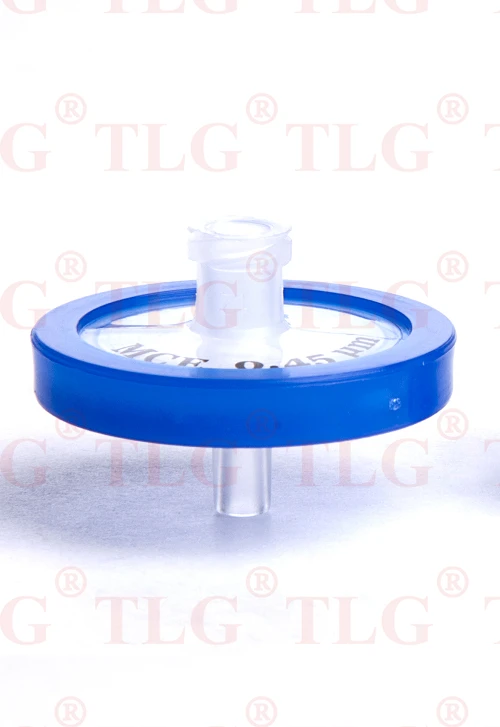
A filter syringe combines a syringe body and a built-in filter for drawing or injecting medications that must be purified or sterilized. It saves time by integrating the filtration step right into the syringe process.
How Filter Syringes Work
The syringe draws up medication through a membrane filter—usually around 0.2 or 0.45 microns—that traps bacteria and particulate matter before the fluid ever touches the patient.
Benefits of Using Filter Syringes
- Prevents injection of visible/invisible particles
- Reduces patient side effects
- Eliminates need for separate filtering steps
Needle Filters and Their Applications
What is a Needle Filter?
A needle filter is essentially a barrier placed inside or at the end of the needle to screen out unwanted particles. Think of it like a coffee filter—but for medicine.
Uses in Pharmaceutical and Clinical Settings
- Filtering out glass particles
- Purifying reconstituted drugs
- Sterile compounding in pharmacies
Filter Syringe Needles in Action
Importance of Sterility
Sterility isn’t optional—it’s mandatory. Filter syringe needles are sealed and sterilized, ensuring every application meets hospital-grade hygiene standards.
Safety and Compliance Standards
These devices meet strict FDA and USP <797> standards, which mandate particulate-free, sterile injectable drugs in healthcare environments.
Key Benefits of Using Filtration Needles and Syringes
Protection Against Particulate Contaminants
Whether you're dealing with crushed tablets, powdered medications, or ampoule glass fragments, a filter needle blocks impurities.
Reducing Risk of Patient Complications
Injecting particles can lead to embolism, inflammation, or infection. Filtering avoids these issues before they become a problem.
Improving Medication Purity
More purity = better efficacy. Removing particles improves the stability and quality of the drug you’re administering.
Common Materials Used
Types of Filters
- Nylon: Good for general filtration
- PTFE: Best for hydrophobic substances
- PES: Low protein binding
- Glass fiber: Pre-filtration
Compatibility with Medications
Filter materials must match the chemical makeup of the medication. For example, PTFE handles aggressive solvents well, while PES is better for biologicals.
How to Properly Use a Filter Needle or Syringe
Step-by-Step Usage Guide
- Remove from sterile packaging
- Attach to syringe
- Draw up medication from vial or ampoule
- Detach and replace with injection needle (if needed)
- Administer medication
Tips for Safe Disposal
Always dispose of used filter needles and syringes in approved sharps containers—never recap or reuse!
Filter Needle vs Filter Syringe: What’s the Difference?
Use Cases Compared
- Filter Needle: Ideal for drawing up meds from ampoules
- Filter Syringe: Great for sterile compounding and injecting pre-filtered medications
Which One Should You Choose?
Choose based on your task. Drawing meds? Go with a filter needle. Need to inject sterile solution? Use a filter syringe.
Challenges and Misconceptions
Can You Reuse Filter Syringes?
Absolutely not. They are single-use, disposable medical devices.
Do All Injections Require Filtration?
No, but anything drawn from a glass ampoule or compounded medication should be filtered for safety.
Regulatory Guidelines and Safety Protocols
FDA Recommendations
The FDA strongly recommends filtration when drawing drugs from ampoules or multi-dose vials to avoid contamination.
Hospital Best Practices
Many hospital protocols mandate filter needle use during compounding and chemotherapy prep, especially in oncology settings.
When to Use a Filter Needle
With Glass Ampoules
Glass fragments are invisible but deadly. A filter needle ensures none of them reach your patient's bloodstream.
For Chemotherapy and Specialty Drugs
Filtration ensures these highly potent medications are free from particles that could cause severe adverse effects.
The Role of Filtration in Drug Preparation
Sterile Compounding and Filtration
Filtration is a critical step in preparing injectable meds in sterile compounding pharmacies.
Preventing Pyrogenic Reactions
Contaminants can trigger fever-like symptoms (pyrogens). Filter needles reduce this risk significantly.
Buying Guide: Choosing the Right Filter Syringe or Needle
Filter Size (0.2 vs 5 Microns)
- 0.2 micron: For bacteria filtration
- 5 micron: For particulate filtration from ampoules
Brand and Certification Considerations
Choose products with ISO certifications and FDA approvals to ensure safety and reliability.
Conclusion
Whether you're a healthcare professional, a pharmacy technician, or someone just looking to understand how safe injections work, filter needles and filter syringes play a massive role in modern medicine. They guard against contaminants, ensure drug purity, and protect patients from harm. It's these little tools that keep big problems at bay—so don’t overlook them!
FAQs
1. What is the main purpose of a filter needle?
To prevent particles—especially from glass ampoules—from being drawn into a syringe and injected into the patient.
2. Can I use a filter needle to inject medication?
No. Filter needles are typically used for drawing up medication. A regular injection needle should be used for administration.
3. Are filter syringes reusable?
No, filter syringes are single-use and must be discarded in sharps containers after one use.
4. What filter size is best for bacteria filtration?
A 0.2 micron filter is commonly used for removing bacteria from solutions.
5. Do oral medications need to be filtered too?
No. Filtration is mainly a concern for injectable medications, not oral formulations.











Sign in to leave a comment.