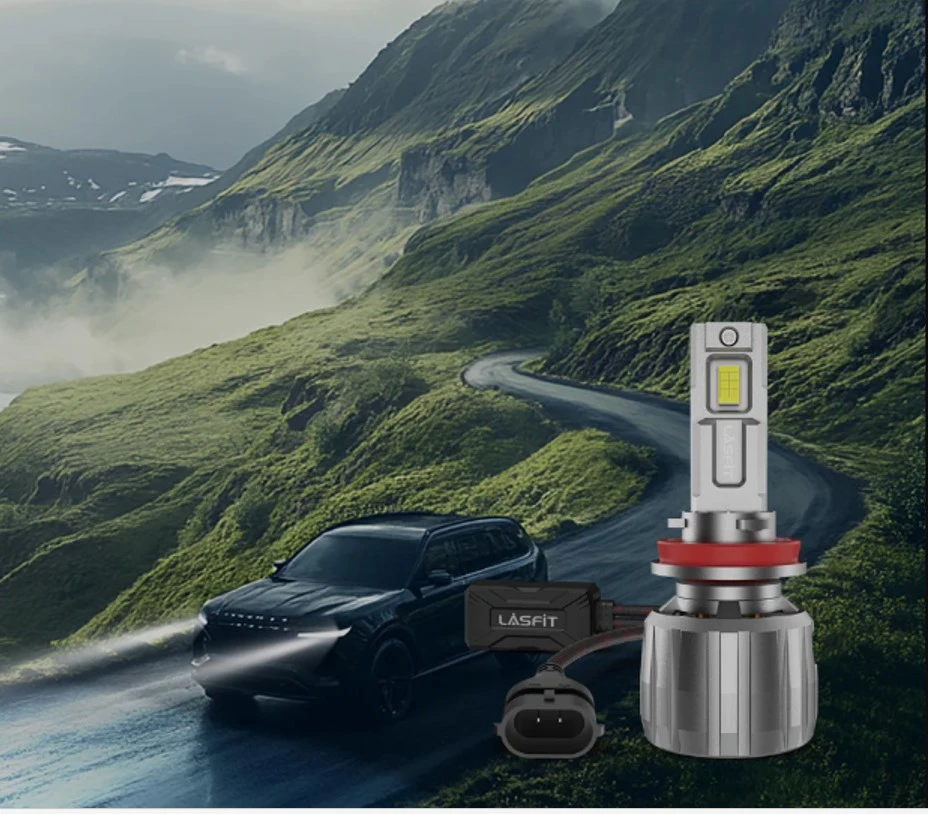
In recent years, automotive lighting has undergone a massive transformation. Gone are the days of halogen bulbs struggling to pierce through fog or heavy rain. Today, led auto headlights and bi-LED lens systems are revolutionizing how drivers see the road—enhancing visibility, safety, style, and efficiency.
If you're considering upgrading your vehicle’s headlights or just want to understand what makes bi-LED lenses and LED headlights the go-to option, this detailed guide is for you. Let’s break down the tech, the benefits, and why it’s worth making the switch.
What Are LED Auto Headlights?
LED (Light Emitting Diode) headlights are advanced lighting systems that use a semiconductor to emit light when electricity passes through. Unlike traditional halogen bulbs, which generate light by heating a filament, LEDs are more energy-efficient and longer-lasting.
Key Features of LED Auto Headlights:
- High Brightness: LED headlights produce a cleaner, whiter light, often mimicking natural daylight. This improves nighttime visibility dramatically.
- Low Power Consumption: They use significantly less energy than halogen or HID lights.
- Longer Lifespan: LED headlights can last over 30,000 hours, outliving most car engines.
- Compact Size: Their small size allows for more flexible and sleek headlight designs.
- Instant On: LEDs illuminate instantly, unlike HIDs that need a warm-up period.
Introduction to Bi-LED Lens Technology
The bi-LED lens is a newer evolution in the headlight world. The term "bi" refers to dual-beam functionality: a single projector lens that switches between low and high beam using a mechanical shutter or optical system. Traditionally, vehicles used separate bulbs or filaments for high and low beams. Bi-LED lenses combine both into one compact unit.
Why Are Bi-LED Projectors a Big Deal?
Bi-LED systems have become popular for a few key reasons:
- Efficiency: Using a single light source to handle both beams reduces power consumption and complexity.
- Compact Design: Bi-LED units save space in the headlight assembly, offering better integration with modern car designs.
- Sharper Cutoff Line: These lenses deliver precise beam patterns, minimizing glare for oncoming drivers.
- Better Focused Light Output: Projector lenses ensure that light is concentrated where it’s needed most.
LED Auto Headlights vs. Traditional Lighting Systems
Let’s compare LED headlights to their older counterparts—halogen and HID.
As you can see, LED auto headlights clearly outperform traditional lighting systems across almost every metric. Although initial costs may be higher, the long-term value and performance more than make up for it.
Benefits of Bi-LED Lens Headlights
Installing bi-LED projector headlights offers several practical advantages:
1. Enhanced Road Visibility
Because bi-LED lenses offer both high and low beams from a single unit, drivers enjoy brighter, cleaner lighting across all driving conditions—whether cruising through a city or navigating winding mountain roads.
2. Sharp Beam Pattern
Bi-LED projectors are known for their clean cutoff lines, which focus light forward and reduce glare for other drivers. This is especially crucial in fog or rain when scattered light can create dangerous conditions.
3. Sleek Aesthetic
Modern LED and bi-LED setups lend a futuristic, high-end appearance to any vehicle. With options like DRLs (daytime running lights) and sequential turn signals, aesthetics meet function.
4. Lower Maintenance
Thanks to their long life and durability, you won’t need to replace LED or bi-LED bulbs nearly as often as halogens or HIDs.
5. Plug-and-Play Convenience
Many bi-LED conversion kits are designed for easy installation without cutting wires or modifying the housing—making it an easy upgrade for DIY enthusiasts.
How Bi-LED Headlights Work
Bi-LED projectors work using a single LED chip combined with a movable cutoff shield. This shield determines whether the light is projected as a low beam or high beam.
- Low Beam Mode: The cutoff shield blocks part of the light to direct it downward, reducing glare.
- High Beam Mode: The shield moves away, allowing the full beam to shine ahead for maximum illumination.
This transition is often controlled electronically and happens in milliseconds—providing an instant switch without requiring a second bulb.
Choosing the Right LED Auto Headlights or Bi-LED Lens
When upgrading, here’s what to look for:
1. Brightness and Lumens
Check the lumen output to get a sense of how bright the headlights are. Generally, 3000–6000 lumens per bulb is standard for high-quality LED lights.
2. Color Temperature
Measured in Kelvin (K), color temperature affects the tint of the light:
- 3000K = Yellow (best for fog)
- 5000K = White (daylight-like)
- 6000K–6500K = Cool white/blue (modern aesthetic)
3. Heat Dissipation System
High-power LEDs generate heat. Make sure the system uses quality heat sinks or cooling fans to ensure longevity.
4. Compatibility
Make sure the LED or bi-LED system is compatible with your car’s headlight housing. Some vehicles may require additional resistors or adapters.
5. Beam Pattern
Projector-style bi-LED lenses tend to provide better beam focus and less scatter compared to reflector-style headlights.
Installation Tips for LED and Bi-LED Systems
Installing LED auto headlights or bi led lens can be fairly straightforward, but here are a few tips:
- Check Local Regulations: Some regions have restrictions on aftermarket headlight upgrades.
- Clean Your Headlight Lenses: Cloudy or yellowed housings will reduce light output.
- Aim Your Headlights Properly: Misaligned headlights can blind other drivers and reduce road visibility.
- Use Relay Harnesses When Needed: For vehicles with CANbus systems, use appropriate decoders or resistors to avoid flickering or error codes.
- Professional Installation Recommended: If you're unsure, let a professional handle it—especially when retrofitting projector lenses.
LED Headlights and Bi-LED Lenses in Electric and Luxury Cars
Electric and luxury vehicles are almost universally adopting LED and bi-LED technology as standard.
- Tesla uses advanced matrix LED systems for adaptive lighting.
- BMW and Audi employ laser-LED hybrids for even better range.
- Toyota and Honda now include bi-LED projectors in many of their mid-range models.
This widespread adoption is proof that LED and bi-LED lighting isn’t just a fad—it’s the future.
Bi-LED Lens Retrofit: Is It Worth It?
Retrofitting your halogen or HID setup with a bi-LED lens projector can be one of the best investments for nighttime driving. Here’s why:
- Superior beam pattern with less glare
- Modern look and feel
- Long-term cost savings on bulb replacements
- Better safety for you and others on the road
Kits are available for most makes and models and can be installed by professionals or skilled DIYers.
The Future of Automotive Lighting: What's Next?
As automotive lighting continues to evolve, we’re seeing innovations such as:
- Matrix LED systems that adapt beam patterns to avoid blinding other drivers.
- Laser headlights, which offer even greater range and intensity.
- Smart headlights with cameras and AI to adjust brightness based on road conditions.
While bi-LED systems are currently among the best for daily use, future cars may integrate lighting with sensors, autonomous systems, and augmented reality dashboards.
Conclusion
LED auto headlights and bi-LED lens technology have redefined what we expect from vehicle lighting. With improved visibility, energy efficiency, and a premium look, upgrading your headlights is one of the most impactful mods you can make.
Whether you’re driving through the foggy countryside or navigating tight city corners, bi-LED projector headlights ensure that every turn is well-lit and safer. As the automotive world continues to innovate, investing in quality lighting today sets the foundation for a brighter, safer tomorrow.













Sign in to leave a comment.