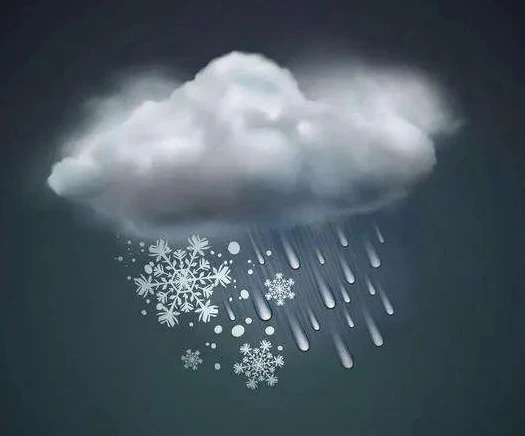

Precipitation is the phenomenon of liquid or solid water falling to the ground after the condensation of water vapor in the atmosphere. Rain and snow, both a natural precipitation phenomenon, is produced by the atmospheric cycle of disturbance, is an indispensable part of the Earth\'s water cycle, but also to the land-based organisms away from the rivers and lakes is the only way to replenish fresh water. Precipitation is the source of surface runoff and the main source of groundwater recharge. The uneven spatial distribution and temporal instability of precipitation are the direct causes of floods, waterlogging and early disasters.
Rain and snow sensor is one of the components of the weather monitoring system, the device is a specialized device for measuring whether rain or snow falls outdoors or in nature. Rain and snow sensors are widely used in meteorological, agricultural, industrial, marine, environmental, airport, port and transportation fields for qualitative measurement of rain and snow.
How rain and snow sensors work
Monitoring rainfall: rain and snow sensor. The upper part of the grid electrode, the use of water conductivity, when there is rain falling on the sensing zone, will cause the electrode short-circuit, so that the device can monitor the rain.
Monitoring snowfall: rain and snow sensors can measure snowfall is because the sensor has an automatic heating function, in the snow, the temperature is below 0 ℃ for a long time and high humidity environment occasions, can prevent icing and condensation. And the heating temperature can be set.
Practical applications of rain and snow sensors (rain)
Rain and snow sensors can be used in greenhouses. In the season of frequent rainstorms, rain and snow sensors monitor the rain information, through the corresponding system linkage of greenhouse greenhouse rain equipment, and at the same time send signals to the greenhouse management personnel, which can effectively reduce the loss of crops in the greenhouse.
Practical applications of rain and snow sensors (snow)
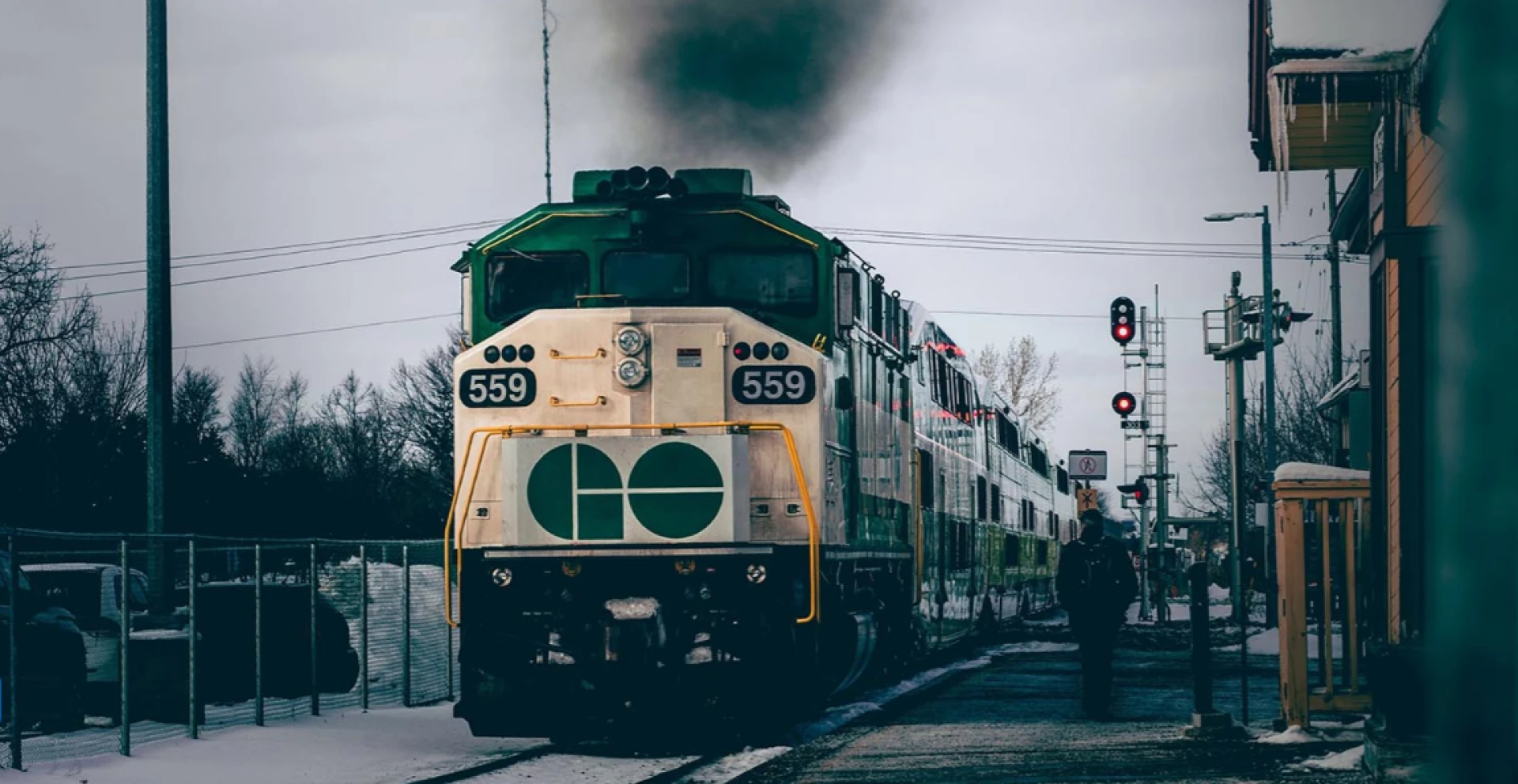
Rain and snow transmitters can be used on highways or railroad tracks. We all know that highways are closed when the weather is bad. Imagine if during a heavy snowfall, the car is blocked on the highway due to unclear weather conditions, and you can\'t get in or out.
If you are not sure of the weather conditions and your car is blocked on the highway and you can\'t get in or out, it would be very embarrassing.
The rain and snow sensor is a qualitative measurement device for outdoor snowfall. The rain/snow sensor is equipped with an automatic heating function that heats up the grids of the rain/snow sensor when it snows, when the temperature is below 0°C for a long period of time, and when there is high humidity, preventing the data from being skewed due to icing and condensation.
Rain and snow sensor monitoring snowfall can be through the corresponding highway weather station or railroad weather station, the data will be uploaded to the cloud platform, with other sensors to make accurate judgments on the amount of snowfall, after reminding the driver still on the highway or already on the highway to make early preparations.











Sign in to leave a comment.