Introduction
In today\'s urban landscape, space is often at a premium. But that doesn\'t mean you can\'t enjoy the joys of gardening. Container gardening offers a versatile solution for those with limited outdoor space. With a bit of creativity and strategic planning, you can transform even the smallest balcony, patio, or windowsill into a lush oasis bursting with life. In this article, we\'ll explore a variety of container gardening ideas for small spaces, helping you unleash your green thumb and cultivate a thriving garden, no matter how limited your area may be.
Choosing the Right Containers
When it comes to container gardening in small spaces, selecting the right containers is key. Opt for containers that are compact yet deep enough to accommodate the root systems of your chosen plants. Look for materials like lightweight plastic, resin, or fiberglass, which are durable and easy to move around as needed. Hanging baskets, window boxes, and vertical planters are excellent options for maximizing vertical space and adding visual interest to your garden.
Selecting Suitable Plants
The key to successful container gardening in small spaces lies in choosing plants that are well-suited to confined environments. Opt for compact varieties of herbs, vegetables, and ornamentals that won\'t outgrow their containers or overshadow neighboring plants. Some excellent choices for small-space container gardening include cherry tomatoes, dwarf citrus trees, compact herbs like basil and thyme, and trailing flowers like petunias and lobelia. Be sure to consider the amount of sunlight your space receives and select plants accordingly.
Vertical Gardening Solutions
In small spaces, vertical gardening can be a game-changer. Vertical planters, trellises, and wall-mounted racks allow you to maximize your growing area by utilizing vertical space. Consider planting vining crops like cucumbers, beans, and peas that can climb and cascade down from above, freeing up valuable ground space for other plants. Additionally, vertical gardens can serve as living walls, adding privacy, shade, and visual interest to your outdoor space.
Creative Container Arrangements
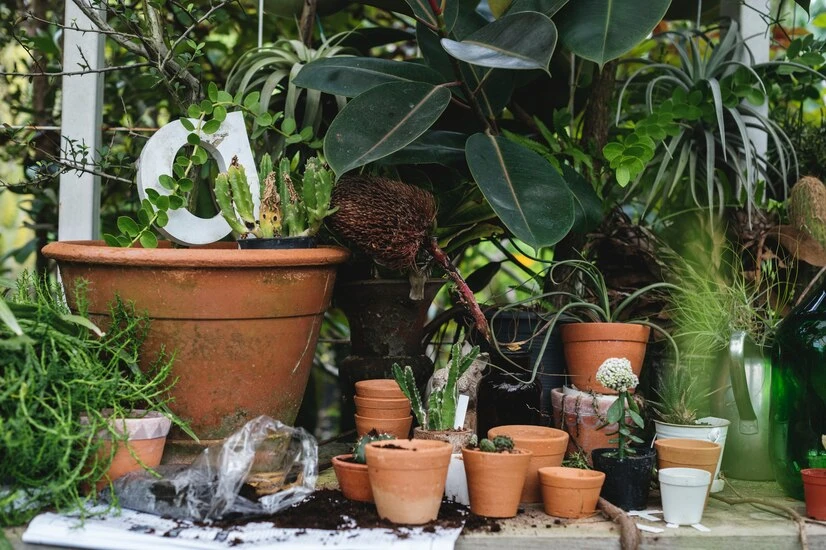
Get creative with your container arrangements to make the most of your small space. Mix and match containers of varying sizes, shapes, and heights to create visual depth and dimension. Group containers together in clusters or create a tiered effect by stacking them on shelves or benches. Incorporate vertical elements like trellises, arbors, and hanging planters to add vertical interest and draw the eye upward. Experiment with different color combinations, textures, and plant combinations to create a dynamic and visually appealing garden display.
Maintenance and Care
Regular maintenance is essential for keeping your container garden thriving in a small space. Monitor soil moisture levels closely, especially during hot weather, and water plants as needed to keep the soil evenly moist. Fertilize container plants regularly with a balanced liquid fertilizer to replenish nutrients lost through watering. Prune and deadhead plants as needed to encourage healthy growth and prolong flowering. Keep an eye out for pests and diseases, and address any issues promptly to prevent them from spreading to other plants.
Conclusion
In conclusion, container gardening offers a versatile and accessible way to garden in small spaces. By choosing the right containers, selecting suitable plants, embracing vertical gardening solutions, and getting creative with container arrangements, you can create a thriving garden oasis that brings joy and beauty to even the tiniest of outdoor areas. With a little planning, care, and creativity, you can think small and grow big with your container garden, transforming your small space into a lush and vibrant green haven.
Frequently Asked Questions (FAQs)
1. Can I grow vegetables in containers in a small space?
- Yes, many vegetables are well-suited for container gardening in small spaces. Compact varieties of tomatoes, peppers, lettuce, and herbs can thrive in containers with proper care and attention to sunlight and water requirements.
2. How do I prevent my containers from drying out too quickly?
- To prevent containers from drying out too quickly, use containers with adequate drainage holes and choose a high-quality potting mix that retains moisture while allowing for proper drainage. Mulching the surface of the soil can also help retain moisture and regulate soil temperature.
3. What are some low-maintenance plants suitable for container gardening in small spaces?
- Some low-maintenance plants that are suitable for container gardening in small spaces include succulents, cacti, ornamental grasses, and certain perennial flowers like lavender and sedum. These plants require minimal watering and care once established.
4. How often should I fertilize my container plants?
- Container plants should be fertilized regularly throughout the growing season to replenish nutrients lost through watering and leaching. Use a balanced liquid fertilizer diluted to half strength every two to four weeks, or follow the specific fertilizer recommendations provided for your plants.
5. Can I grow fruit trees in containers in a small space?
- Yes, many fruit trees can be grown in containers in small spaces, provided they are dwarf or patio varieties that are well-suited to container culture. Examples include dwarf citrus trees, fig trees, and dwarf apple or cherry trees. Be sure to provide adequate sunlight, water, and nutrients for successful fruit production.










Sign in to leave a comment.