
Learn how third-party risk management can protect your business. Explore effective strategies to manage vendor risks and ensure compliance in today's interconnected world.
In today’s interconnected world, third-party risk management is more critical than ever. Organizations increasingly rely on vendors, suppliers, and other external parties to drive their operations forward. However, this dependence introduces new vulnerabilities, which can result in data breaches, financial losses, and reputational damage if not properly managed. This guide explores everything you need to know about third-party risk management, from identifying risks to implementing effective mitigation strategies.
What is Third-Party Risk Management?
Third-party risk management involves identifying, assessing, and mitigating risks that arise from third-party relationships. These risks can stem from vendors, suppliers, contractors, and other external entities. The primary objective is to safeguard your organization against potential threats that could negatively impact your operations, finances, or reputation.
Key Risks in Third-Party Relationships:
- Financial Risks: Unforeseen financial instability or fraud from a third-party vendor can disrupt your business operations. Regular financial assessments and monitoring are essential to mitigate such risks.
- Operational Risks: Third-party vendors are often involved in critical operations. Any failure on their part, such as delays or quality issues, can directly affect your business.
- Compliance Risks: Vendors must comply with regulations such as GDPR, HIPAA, or other industry standards. If a third party fails to comply, it could lead to legal penalties and reputational harm.
Steps to Manage Third-Party Risk:
- Conduct Thorough Vendor Assessments: Before engaging with any third party, evaluate their financial stability, operational capabilities, and compliance record. This helps in identifying potential risks before they become a liability.
- Implement Continuous Monitoring: Third-party risk management doesn’t end at the vendor selection stage. Continuous monitoring of vendor performance, compliance, and financial health is essential for detecting emerging risks.
- Negotiate Strong Contracts: Contracts should clearly outline the terms, including service level agreements (SLAs), compliance expectations, and consequences of non-performance. A solid contract can minimize the impact of any potential risks.
The Role of Technology in Third-Party Risk Management
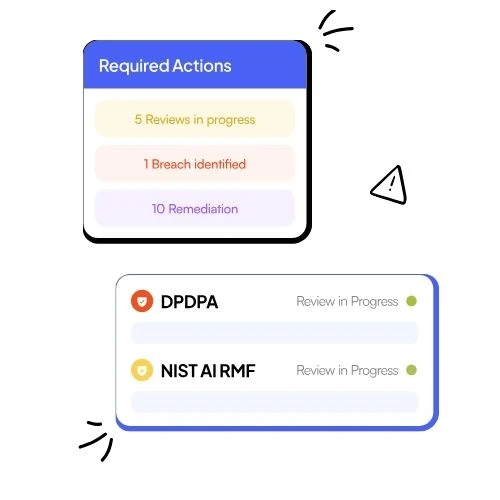
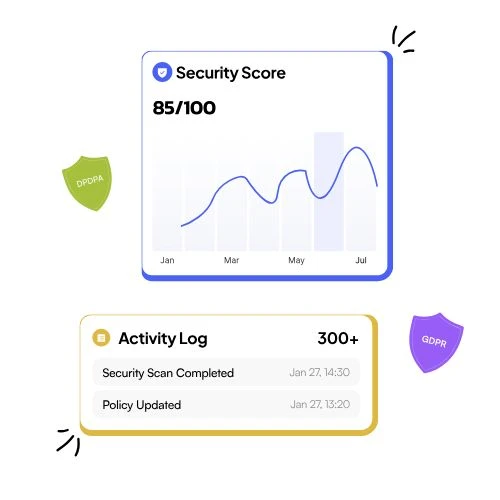
With the increasing complexity of vendor relationships, relying on manual processes for risk management is no longer feasible. Automated tools and platforms like Redacto.ai’s vendor risk management solution can help organizations streamline third-party risk management. These tools enable real-time risk assessments, automate compliance checks, and provide alerts when risks are detected, ensuring continuous protection against potential disruptions.
Best Practices for Effective Risk Mitigation:
- Risk Categorization: Classify third-party risks based on their potential impact on your business. This allows you to prioritize resources and focus on high-risk vendors first.
- Communication Channels: Establish clear lines of communication with your third-party vendors. Ensure they are aware of your expectations and have the necessary resources to comply with them.
- Regular Audits: Conduct regular audits of third-party activities to ensure that they adhere to contractual and compliance standards. This can help identify and address any potential risks before they escalate.
Frequently Asked Questions (FAQ)
What are the main types of third-party risks?
The primary third-party risks include financial instability, operational failures, and non-compliance with regulations. These can have severe consequences if not properly managed.
How can third-party risk management protect my business?
By implementing effective risk management practices, you can prevent potential disruptions, ensure compliance, and avoid financial or reputational damage.
Why is third-party risk management important?
It’s essential to protect your business from vulnerabilities arising from external relationships. Failing to manage third-party risks can result in data breaches, operational delays, or legal consequences.
How do I assess third-party risk?
Start by conducting a thorough evaluation of the vendor’s financial health, operational capabilities, and compliance with industry regulations. This will help you identify any potential risks.
Can third-party risk management be automated?
Yes, platforms like Redacto.ai’s vendor risk management solution can automate risk assessments, provide real-time alerts, and ensure compliance with regulations.
What steps can I take to reduce third-party risks?
Implement continuous monitoring, negotiate strong contracts, and regularly audit third-party vendors to reduce the risks associated with external partnerships.
Conclusion:
Third-party risk management is a critical component of modern business operations. As organizations continue to rely on external vendors, having an effective strategy in place to identify, assess, and mitigate potential risks is essential. By leveraging technology, implementing best practices, and continuously monitoring vendor performance, businesses can protect themselves from financial, operational, and compliance-related threats.
Effective third-party risk management ensures that your business can continue to grow and thrive in an interconnected world, free from the disruptions that can arise from unmonitored external relationships.











Sign in to leave a comment.