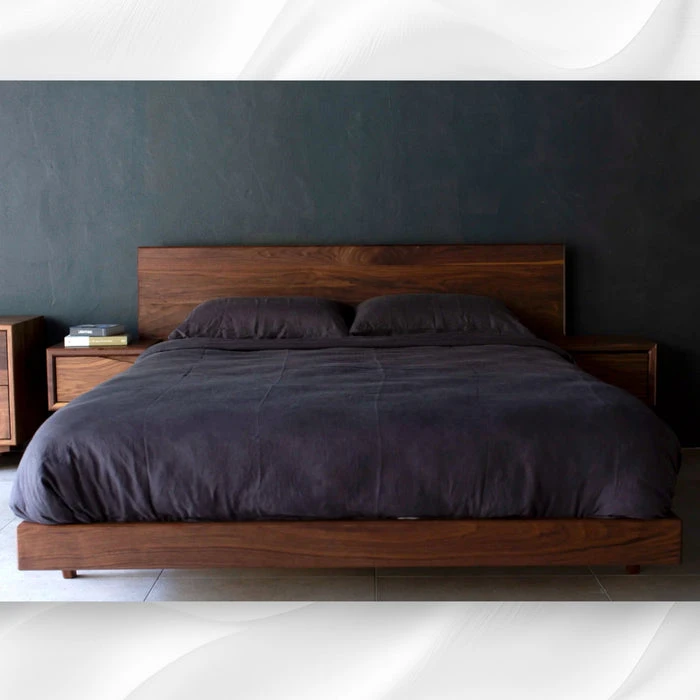

Timber bed frames have become a cornerstone of modern bedroom design, combining timeless craftsmanship, sustainability, and long-lasting durability. In the UK, there is a rising demand for premium timber furniture as homeowners increasingly seek eco-friendly materials, bespoke designs, and furniture that can stand the test of time. This in-depth guide explores the benefits, types, design trends, care, and purchasing considerations of timber bed frames, providing readers with expert insights to make informed decisions for their homes.
What Are Timber Bed Frames?
Timber bed frames are structured supports for mattresses, constructed entirely from solid wood or engineered timber components. Unlike metal or upholstered beds, timber offers natural warmth, superior structural integrity, and a timeless aesthetic appeal. Advances in woodworking techniques allow for seamless joints, intricate carvings, and finishes that enhance both durability and style.
Key Benefits of Timber Bed Frames
1. Sustainability and Eco-Friendly Choice
Timber is a renewable resource that can be responsibly harvested. Choosing FSC-certified or PEFC-certified wood ensures sustainable forest management. Compared to metal or synthetic alternatives, timber bed frames have a lower carbon footprint and contribute positively to environmentally conscious interior design. Brands like Nismaaya Decor focus on sourcing wood responsibly, ensuring customers receive furniture that aligns with modern sustainability values.
2. Durability and Longevity
High-quality hardwoods such as oak, walnut, and ash are naturally strong and resistant to wear. A well-crafted timber bed frame can last for decades and often improves in character over time. Unlike low-grade particleboard or metal frames prone to warping or rusting, solid timber can be refinished or repaired, providing a long-term investment for your home.
3. Timeless Aesthetic Appeal
The natural grain and warmth of timber add depth and sophistication to any bedroom. Whether you prefer minimalist, Scandinavian, rustic, or luxurious designs, timber adapts effortlessly to various interior styles. The versatility of finishes and wood types allows homeowners to personalise their bedroom while maintaining a cohesive design.
4. Comfort and Acoustic Benefits
Timber provides a stable foundation that reduces mattress creaking and absorbs sound better than metal frames. This contributes to a quieter, more comfortable sleeping environment, enhancing overall rest quality.
Popular Timber Types for Bed Frames
Each wood type offers unique characteristics, influencing both aesthetics and functionality:
- Oak: Durable and robust, oak displays a distinct grain and resists moisture, making it ideal for long-lasting, traditional, or rustic designs.
- Walnut: Known for its rich, dark tones and luxurious feel, walnut is perfect for premium contemporary and classic interiors.
- Ash: Light in color with an open grain, ash complements modern, minimalist, and Scandinavian designs.
- Beech: Affordable and strong, beech offers a balanced aesthetic and practical performance for everyday use.
Timber Bed Frame Design Trends in the UK
Minimalist and Scandinavian Styles
The UK furniture market increasingly favors minimalist timber bed frames with clean lines, neutral tones, and functional designs. Scandinavian-inspired frames often use lighter woods like ash or oak, feature slatted bases, and emphasize simplicity without compromising comfort.
Rustic and Cottagecore Influences
Rustic timber bed frames, with their exposed joinery and distressed finishes, bring a sense of heritage and natural charm. Cottagecore aesthetics, with soft textures and natural finishes, are gaining popularity for creating cozy, inviting bedroom spaces.
Modern Platform Designs
Platform timber bed frames are sleek, low-profile options that eliminate the need for box springs. These designs are ideal for contemporary interiors, offering clean horizontal lines while providing robust mattress support.
Timber Bed Frames Buying Considerations
When investing in a timber bed frame, several factors determine value and longevity:
1. Construction Quality
Joinery methods such as dovetail, mortise and tenon, or reinforced corner blocks ensure a strong, durable frame. Avoid cheap screw-only construction, which can loosen over time.
2. Load-Bearing Capacity
Consider mattress type, bedding, and user weight. Centre support slats and reinforced frames provide optimal stability, especially for heavier mattresses.
3. Finishes and Surface Treatments
Finishes protect timber from moisture and wear. Hard wax oils, natural oils, and water-based lacquers enhance the wood’s natural grain while avoiding high VOC emissions for healthier indoor air quality.
4. Customisation Options
Many timber bed frames can be customised for size, headboard style, finish, or under-bed storage. Personalisation ensures the frame complements your existing bedroom décor and functional needs.
Practical Tips for Size and Fit
UK mattress dimensions vary, including single (90×190 cm), double (135×190 cm), king (150×200 cm), and super king (180×200 cm). When choosing a timber frame:
- Verify internal frame dimensions match your mattress size.
- Account for clearance for storage drawers or under-bed space.
- Measure doorways and hallways to ensure delivery feasibility.
Timber Bed Frame Maintenance
Regular Cleaning
Dust weekly with a soft, dry cloth. For deeper cleaning, use a damp cloth with mild soap, avoiding excessive water.
Environmental Control
Maintain indoor humidity between 40–60% to prevent cracking or warping.
Protecting the Finish
Use felt pads under accessories, avoid dragging items, and periodically inspect for minor scratches or dents to prevent long-term damage.
Frequently Asked Questions
Are Timber Bed Frames Better Than Metal Frames?
Timber bed frames offer natural warmth, acoustic benefits, and sustainable advantages. Metal frames may suit specific design or budget needs, but timber provides greater longevity and aesthetic flexibility.
Do Timber Bed Frames Require a Box Spring?
Modern timber bed frames often include slatted or platform bases, eliminating the need for a box spring while ensuring proper mattress support.
How Long Do Timber Bed Frames Last?
With proper care and high-quality construction, timber bed frames can last decades and often become heirloom pieces.
Conclusion
Timber bed frames combine style, sustainability, and durability, making them an essential investment for modern bedrooms. From choosing the right timber type and design style to understanding construction quality and maintenance, homeowners can ensure their bed frame is both functional and visually striking. By integrating eco-conscious materials and timeless craftsmanship, brands like Nismaaya Decor offer timber bed frames that are not only elegant but built to endure, aligning perfectly with the evolving UK interior design landscape.
Sign in to leave a comment.