

Tinnitus, often described as a persistent ringing, buzzing, or hissing sound in the ears, affects millions of people in Australia. This condition can significantly impact one’s quality of life, making it essential to explore effective treatment options. In this article, we will delve into various tinnitus treatments available in Australia, focusing on what truly works to alleviate symptoms and improve overall well-being.
Understanding Tinnitus
Before diving into treatment options, it's crucial to understand what tinnitus is. Tinnitus is not a disease; rather, it is a symptom of an underlying condition. It can be caused by various factors, including exposure to loud noises, age-related hearing loss, ear infections, and even certain medications. The experience of tinnitus varies from person to person—some may hear a high-pitched ringing, while others may perceive a low humming or buzzing sound.
The Impact of Tinnitus
Living with tinnitus can be challenging. Many individuals report difficulties concentrating, sleeping, and engaging in social activities due to the constant noise in their ears. This persistent sound can lead to increased stress and anxiety levels, creating a vicious cycle that exacerbates the condition. Therefore, finding effective treatment options is paramount for those affected.
Effective Tinnitus Treatments in Australia
Australia offers a range of tinnitus treatment options tailored to individual needs. Here are some of the most effective approaches:
1. Sound Therapy
Sound therapy is one of the most widely used methods for managing tinnitus. This approach involves using external sounds to mask the internal noise of tinnitus, making it less noticeable. Various sound therapy options include:
· White Noise Machines: These devices produce a consistent sound that can help drown out the ringing or buzzing associated with tinnitus.
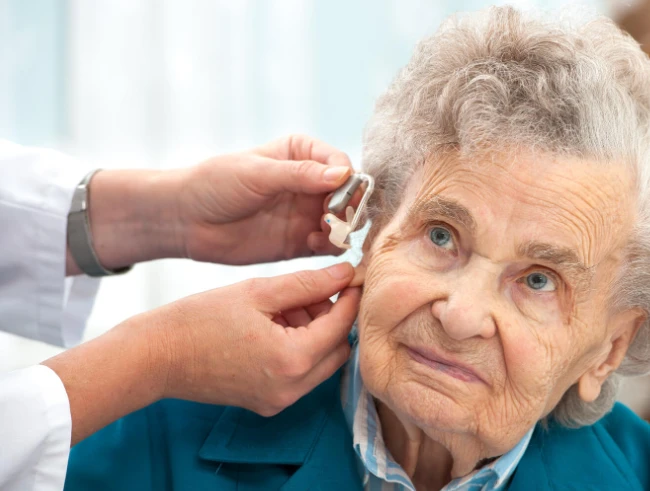
· Hearing Aids: For individuals with hearing loss and tinnitus, hearing aids can amplify external sounds and reduce the perception of internal noise. In Australia, there are several types of hearing aids available through programs like the Hearing Services Program.
· Tinnitus Maskers: These devices are similar to hearing aids but specifically designed to generate soothing sounds that mask tinnitus.
Sound therapy can be particularly effective when combined with other treatment modalities. For instance, many audiologists recommend using sound therapy alongside counseling or cognitive behavioral therapy (CBT) to address both the physical and emotional aspects of tinnitus.
2. Cognitive Behavioral Therapy (CBT)
Cognitive Behavioral Therapy is an effective psychological treatment for tinnitus. CBT helps individuals change their emotional response to tinnitus by addressing negative thought patterns and anxiety associated with the condition. Through counseling sessions with a trained therapist, patients learn coping strategies that can significantly reduce the distress caused by tinnitus. CBT focuses on teaching patients how to manage their reactions to tinnitus rather than attempting to eliminate the sound itself. This approach empowers individuals by providing them with tools to cope with the challenges posed by their condition.
3. Tinnitus Retraining Therapy (TRT)
Tinnitus Retraining Therapy combines sound therapy with counseling to help patients habituate to the sounds of tinnitus. Over time, this approach aims to make the perception of tinnitus less intrusive, allowing individuals to focus on other aspects of their lives. TRT typically involves wearing a device that emits low-level sounds while receiving directive counseling from an audiologist or trained professional. TRT is based on the neurophysiological model of tinnitus and aims to retrain the brain's response to auditory signals. By gradually increasing exposure to sound while providing emotional support through counseling, many patients find relief from their symptoms over time.
4. Hearing Aids
For many individuals experiencing both hearing loss and tinnitus, hearing aids provide significant relief. By amplifying external sounds, hearing aids help mask the internal sounds associated with tinnitus. In Australia, there are various types of hearing aids available through programs like the Hearing Services Program, which offers subsidized services for eligible individuals. Modern hearing aids come equipped with advanced features such as noise reduction and feedback cancellation that enhance their effectiveness for those with tinnitus. Audiologists can customize these devices to suit individual preferences and needs, ensuring optimal results.
5. Lifestyle Modifications
Making certain lifestyle changes can also play a crucial role in managing tinnitus symptoms:
· Stress Management: Stress and anxiety can exacerbate tinnitus symptoms. Techniques such as mindfulness meditation, yoga, and relaxation exercises can help reduce stress levels.
· Avoiding Loud Noises: Protecting your ears from loud environments is essential for preventing further damage and worsening tinnitus.
· Healthy Diet: Maintaining a balanced diet rich in vitamins and minerals can support overall ear health. Foods high in antioxidants—such as fruits and vegetables—can help combat oxidative stress that may contribute to hearing issues.
Incorporating these lifestyle changes into your daily routine can create a more holistic approach to managing tinnitus.
Seeking Professional Help
If you are experiencing symptoms of tinnitus, it’s essential to consult with a qualified audiologist or hearing specialist. They can conduct thorough assessments—including hearing tests and evaluations tailored to your specific needs—to determine the best course of action for your situation. In Australia, clinics like Hearing Aid Centre offer comprehensive services for individuals seeking relief from tinnitus. These clinics often provide access to advanced diagnostic tools and treatment options that may not be available elsewhere.
The Role of Audiologists
Audiologists play a vital role in diagnosing and treating tinnitus. These professionals have specialized training in assessing hearing loss and developing personalized treatment plans for patients with tinnitus. They can recommend appropriate devices such as advanced hearing aids or therapeutic noise generators that suit individual preferences and lifestyles. Audiologists also stay updated on the latest research and advancements in tinnitus treatments, ensuring that their patients receive evidence-based care tailored to their unique circumstances.
Innovative Treatments on the Horizon
Research into tinnitus treatments continues to advance rapidly. Promising developments include:
· Transcranial Magnetic Stimulation (TMS): This non-invasive procedure uses magnetic fields to stimulate nerve cells in the brain and may help alleviate symptoms.
· Neuromodulation Techniques: These involve altering nerve activity through targeted electrical stimulation and are being explored as potential treatments for chronic tinnitus.
· Pharmacological Approaches: Researchers are investigating various medications that could potentially reduce the perception of tinnitus or address its underlying causes.
While these treatments are still under investigation or in clinical trials, they represent hope for those who have not found relief through traditional methods.
Community Support and Resources
In addition to professional treatment options, community support plays an essential role in managing tinnitus. Many organizations across Australia provide resources, support groups, and educational materials for individuals living with this condition:
· The Australian Tinnitus Association: This organization offers information about tinnitus management strategies and connects individuals with local support groups.
· Online Forums: Various online platforms allow people with tinnitus to share experiences and coping strategies.
· Local Workshops: Many audiology clinics host workshops focused on educating patients about managing their symptoms effectively.
Connecting with others who understand your experience can provide valuable emotional support and practical tips for navigating life with tinnitus.
Finding Your Path to Relief
Living with tinnitus doesn't have to be a lifelong struggle. With numerous treatment options available in Australia—from sound therapy and cognitive behavioral therapy to advanced hearing aids—individuals have various avenues for relief at their disposal. If you or someone you know is dealing with the challenges of tinnitus, consider reaching out to an audiologist or hearing specialist today. Together, you can develop a personalized treatment plan that addresses your unique needs and helps restore your quality of life.
Don’t let tinnitus control your life any longer! Schedule an appointment with an audiologist today to explore effective treatment options tailored just for you. Your journey towards relief starts now! By taking proactive steps toward understanding your condition and seeking appropriate treatment options available in Australia—such as advanced hearing aids or innovative therapies—you empower yourself on your path toward managing your symptoms effectively. Remember: you're not alone in this journey; support is available every step of the way!












Sign in to leave a comment.