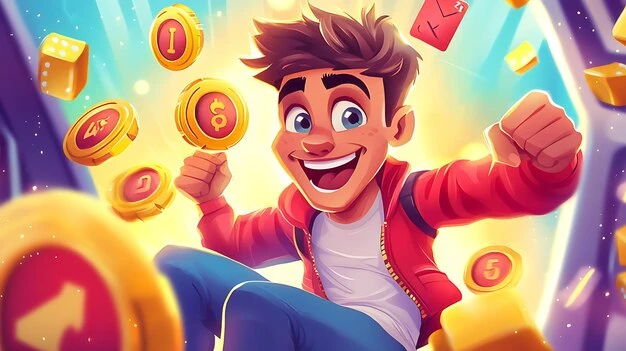

The gaming industry has evolved significantly over the years. What was once a simple form of entertainment is now a booming multi-billion-dollar economy. In recent years, a revolutionary shift has occurred in gaming, driven by the rise of blockchain technology and cryptocurrency. Token minting, in particular, has played a crucial role in transforming the gaming ecosystem. It has given birth to the Play-to-Earn (P2E) model, where players can earn real money through their in-game activities.
In this post, we’ll dive deep into how token minting is empowering Play-to-Earn economies. We’ll also explore the role of crypto token development in this transformation and the future of gaming. So, let’s get started.
What is Token Minting in Gaming?
Token minting in the gaming world refers to the creation of digital tokens that represent in-game assets. These tokens are typically built using blockchain technology and are linked to cryptocurrency. In simple terms, token minting allows players to own, trade, and even monetize the assets they earn or create while playing games.
For example, a player might earn tokens by completing missions, winning battles, or achieving high scores. These tokens can then be sold, traded, or used within the game ecosystem, providing players with real value. This is a far cry from traditional gaming, where achievements often translate only into virtual rewards that cannot be exchanged for real-world money.
The Rise of Play-to-Earn Games
The introduction of Play-to-Earn games is one of the most exciting developments in the gaming world. These games allow players to earn rewards in the form of cryptocurrency or digital tokens simply by playing the game. This model is the perfect example of how token minting can empower economies within gaming.
With Play-to-Earn, players are no longer just consumers of entertainment; they are participants in an economic system. By earning tokens, players can build wealth, trade assets, and even generate income. The concept is particularly popular in the world of NFTs (Non-Fungible Tokens), where each in-game item or character is a unique token that can be bought and sold in the real world.
This opens up new possibilities for players, who can now view their time spent gaming as an investment. Not only do they get to enjoy the game, but they can also earn money while doing it. Token minting is at the core of this transformation, making it possible for in-game assets to be turned into real-world value.
Role of Crypto Token Development in Gaming
Crypto token development is the backbone of the Play-to-Earn economy. This process involves creating and managing blockchain-based tokens that can be used as in-game currency, rewards, or assets. These tokens are often designed with smart contracts, ensuring transparency, security, and fairness in transactions.
For developers, crypto token development opens up numerous opportunities. They can create unique tokens for their games that hold real-world value, attracting more players and investors. Furthermore, developers can also create marketplaces where players can trade tokens and in-game items, fostering a decentralized economy.
By utilizing crypto token development, game creators can offer players more control over their assets. Rather than relying on centralized platforms that control the in-game economy, blockchain gives players ownership of their tokens, which they can trade or sell as they see fit.
Moreover, the integration of blockchain ensures that token transactions are secure, transparent, and immutable. Players don’t have to worry about the central authority manipulating the economy or changing game rules on a whim. Crypto tokens bring stability to the ecosystem, which is vital for fostering trust among players.
How Token Minting Works in Play-to-Earn Games
The process of token minting in gaming begins when a game developer creates a new blockchain-based token. These tokens are often linked to the game’s economy and are used to represent in-game assets such as items, skins, characters, or even land.
Once minted, players can earn tokens by participating in various in-game activities. These activities can include completing quests, winning battles, leveling up, or achieving specific goals. As players progress, they accumulate tokens, which can be stored in their wallets or used within the game’s ecosystem.
For example, in a game like Axie Infinity, players earn tokens by breeding and battling their virtual creatures (called Axies). These Axies are NFTs, and players can mint new Axies or sell them on the marketplace. The game has created a whole economy around token minting, where players can earn, buy, and sell their assets.
Furthermore, token minting also allows players to participate in governance. In some games, players who hold a certain amount of tokens can vote on the future development of the game, including changes to the gameplay, new features, and updates. This level of control is something traditional gaming has never offered.
Telegram Mini Games Development and Token Minting
Telegram is one of the most popular messaging platforms in the world, with millions of active users. Recently, Telegram mini-games development has gained traction as a way to engage users in new and exciting ways. These mini-games are usually simple but highly addictive, making them ideal for casual gaming.
Incorporating token minting into Telegram mini-games can take this engagement to the next level. Imagine a scenario where players can earn tokens by completing mini-games or winning challenges within Telegram groups. These tokens could be used within the Telegram ecosystem or traded on external platforms.
By leveraging the growing popularity of Telegram, developers can introduce Play-to-Earn features that reach a massive audience. Players would be able to earn tokens while chatting with friends, making the gaming experience seamless and rewarding.
The Future of Token Minting in Gaming
Token minting is only in the early stages of revolutionizing the gaming industry. As blockchain technology continues to mature, we can expect to see even more innovations in this space. For instance, we might see games with even more complex economies, where players can create, trade, and mint their own tokens within the game.
One exciting development could be the rise of cross-game economies. Imagine a scenario where tokens minted in one game can be used in another game. This would allow players to carry their assets across different virtual worlds, creating a more integrated and expansive gaming experience. It would also make the Play-to-Earn model more sustainable by increasing the demand for tokens.
Another possibility is the growing use of decentralized autonomous organizations (DAOs) in gaming. Players who hold tokens could have voting power over the direction of the game, creating a truly community-driven development process. This could lead to more dynamic, player-driven economies where developers and players work together to shape the game’s future.
Lastly, the gaming community could see an increase in collaboration between crypto token development companies and traditional gaming studios. As the lines between blockchain gaming and traditional gaming blur, we can expect to see more mainstream games adopting token minting and Play-to-Earn mechanics.
Final Thoughts
Token minting has undoubtedly revolutionized the gaming industry. It has given rise to the Play-to-Earn model, where players can earn real-world value simply by playing games. By using crypto token development, developers can create new economic systems that empower players, offering them ownership and control over their in-game assets.
The future of gaming is bright, and token minting will play an essential role in shaping it. With the rise of Telegram mini-games development and other blockchain innovations, the gaming world is set to become more interconnected, decentralized, and rewarding than ever before. Whether you’re a gamer, developer, or investor, now is the time to get involved in the exciting world of Play-to-Earn gaming.







Sign in to leave a comment.