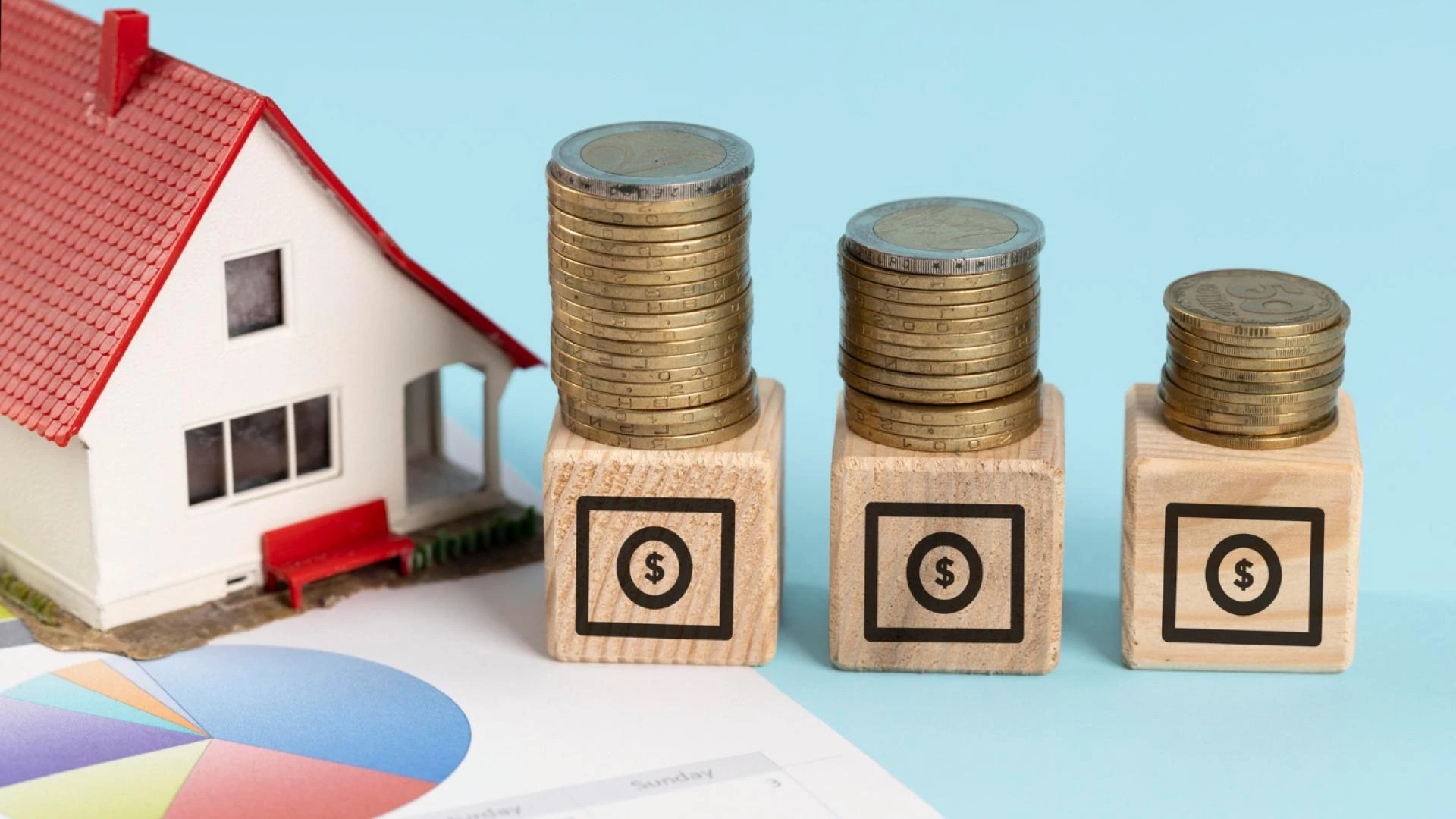
Real World Asset Tokenization Platform Development is undergoing a major transformation, thanks to blockchain technology and asset tokenization. While traditional investments in precious metals like gold, silver, and platinum have been popular for centuries, the advent of tokenization is revolutionizing the way investors buy, sell, and trade these assets.
Tokenizing precious metals allows investors to own fractional shares of these valuable commodities, making it easier to invest in high-value assets without needing to purchase large amounts upfront. This innovation is reshaping commodity investing and opening up new opportunities for retail and institutional investors alike.
What is Tokenization of Precious Metals?
Tokenization refers to the process of converting physical assets into digital tokens on a blockchain. These tokens represent ownership of a real-world asset, such as a bar of gold or a kilogram of silver.
Each token is backed by the physical commodity stored securely in vaults, ensuring that the digital representation maintains intrinsic value. By leveraging blockchain technology, investors can trade these tokens seamlessly, eliminating the need for intermediaries and reducing costs.
The Benefits of Tokenized Precious Metals
1. Increased Accessibility
Tokenization allows investors to buy fractional shares of precious metals, making it more accessible to individuals who may not have the capital to purchase entire bars or coins. Instead of buying a full ounce of gold, for example, an investor can own a fraction of it through digital tokens.
2. Enhanced Liquidity
Traditional investments in gold and silver often require physical delivery or storage, which can be cumbersome and expensive. Tokenization introduces higher liquidity by enabling instant trading of digital assets on blockchain-powered exchanges, reducing transaction times and making it easier to buy and sell these commodities.
3. Reduced Transaction Costs
Buying and selling physical precious metals usually involves significant fees, including storage, insurance, and intermediary commissions. Tokenized metals reduce these costs by digitizing ownership and enabling direct peer-to-peer transactions on secure blockchain networks.
4. Improved Transparency and Security
Blockchain technology ensures that all transactions related to tokenized precious metals are recorded on an immutable ledger, providing full transparency. Additionally, smart contracts ensure automated compliance and reduce fraud risks, offering a safer way to invest in commodities.
5. Global Market Access
Investors worldwide can access tokenized metals without the logistical challenges of physically transporting or storing gold, silver, or platinum. This global accessibility makes it easier for people in different regions to participate in precious metal investments.
How Tokenization is Changing the Commodity Market
The tokenization of precious metals is disrupting traditional commodity markets in several key ways:
- Decentralization of Trading: Unlike traditional markets where trades go through centralized institutions, tokenized commodities can be traded on decentralized exchanges, reducing reliance on intermediaries.
- Faster Settlement Times: Tokenized assets eliminate delays associated with clearing and settlement in traditional markets, enabling near-instantaneous transactions.
- Broader Participation: Previously, investing in precious metals required high capital investment. Tokenization allows retail investors to participate in the market alongside institutional players.
Use Cases of Tokenized Precious Metals
1. Investment Diversification
Tokenized precious metals offer a hedge against inflation and economic instability, making them an attractive option for portfolio diversification.
2. Stablecoin Backing
Some stablecoins are backed by gold or other precious metals, offering a more stable digital asset compared to fiat-backed alternatives.
3. Cross-Border Transactions
Tokenized metals facilitate cross-border trading and remittances, enabling investors to transfer value seamlessly across different regions without traditional banking fees.
4. Decentralized Finance (DeFi) Integration
Tokenized commodities can be integrated into DeFi platforms, allowing users to stake, lend, or borrow against their holdings.
Challenges and Considerations
Despite its advantages, tokenizing precious metals comes with certain challenges:
- Regulatory Uncertainty: Many jurisdictions have yet to establish clear regulations on digital assets and tokenized commodities.
- Custody and Security Risks: Ensuring secure storage of physical assets backing the tokens remains a key concern.
- Market Adoption: While interest in tokenization is growing, widespread adoption and trust in digital assets are still developing.
The Future of Tokenized Precious Metals
The adoption of tokenized precious metals is expected to rise as blockchain technology continues to mature. Innovations in security, smart contracts, and regulatory compliance will further enhance trust in digital commodities. Additionally, as more institutional investors recognize the benefits of tokenization, the market is likely to expand significantly.
Conclusion
Tokenizing precious metals is revolutionizing commodity investing by increasing accessibility, liquidity, and transparency while reducing costs and enhancing security. As blockchain technology continues to evolve, the adoption of tokenized gold, silver, and platinum is expected to grow, making precious metal investments more efficient and widely available than ever before.
Investors looking to diversify their portfolios with gold and other valuable commodities should consider the advantages of tokenized assets. By leveraging blockchain-based trading platforms, they can gain exposure to stable and historically valuable assets without the traditional complexities of physical ownership.
As the tokenization trend continues, the future of commodity investing will likely be driven by digital innovation, making it easier for investors to participate in one of the oldest and most trusted asset classes in the world.











Sign in to leave a comment.