
The Gold Coast's warm, humid climate creates an ideal environment for various pests to thrive. Homeowners often encounter unwelcome guests that can damage property and pose health risks. Understanding these common pests and how to manage them is crucial for maintaining a safe and comfortable home.
1. Termites
Termites are among the most destructive pests, silently consuming wooden structures and causing significant damage before detection. Signs include hollow-sounding wood, mud tubes on walls, and discarded wings near windows.
Handling Tip: Schedule annual professional inspections and consider installing termite barriers or baiting systems to prevent infestations.
2. Cockroaches
Cockroaches are resilient insects that thrive in warm, moist environments. They can spread diseases and trigger allergies. Common signs include droppings, egg cases, and a musty odor.
Handling Tip: Maintain cleanliness, seal food containers, fix leaks, and use baits or traps. For severe infestations, professional pest control is recommended.
3. Ants
Ants often invade homes in search of food and water. They can contaminate food sources and become a persistent nuisance.
Handling Tip: Keep surfaces clean, store food properly, seal entry points, and use ant baits to eliminate colonies.
4. Spiders
While most spiders are harmless, some species can be venomous. They often inhabit dark, undisturbed areas like garages and basements.
Handling Tip: Regularly clean and declutter storage areas, seal cracks, and remove webs. If venomous spiders are suspected, seek professional assistance.
5. Rodents (Rats and Mice)
Rodents can cause structural damage by gnawing on wires and insulation. They also pose health risks through droppings and urine.
Handling Tip: Seal entry points, store food securely, and set traps. Persistent issues may require professional extermination services.
6. Mosquitoes
Mosquitoes breed in stagnant water and can transmit diseases like dengue and Ross River virus. They are most active during warmer months.
Handling Tip: Eliminate standing water around the property, use insect screens, and apply repellents. Installing mosquito traps can also be effective.
7. Silverfish
Silverfish are small, wingless insects that feed on paper, glue, and fabrics. They thrive in humid environments and can damage books, wallpaper, and clothing.
Handling Tip: Reduce humidity with dehumidifiers, store items in sealed containers, and use traps or insecticides as needed.
8. Fleas
Fleas are parasites that feed on blood, often entering homes via pets. They can cause itching and transmit diseases.
Handling Tip: Regularly treat pets with veterinarian-approved flea control products, vacuum carpets and furniture, and wash pet bedding frequently.
9. Bed Bugs
Bed bugs are small, nocturnal insects that feed on human blood. They hide in mattresses, bed frames, and furniture, causing itchy bites.
Handling Tip: Inspect bedding regularly, reduce clutter, and wash linens in hot water. Professional extermination is often necessary for infestations.
10. Wasps
Wasps can be aggressive, especially when their nests are disturbed. Their stings can cause allergic reactions in some individuals.
Handling Tip: Keep food covered when outdoors, seal garbage bins, and remove nests carefully. For large nests, contact pest control professionals.
Preventive Measures for Homeowners
- Regular Inspections: Schedule routine checks for signs of pest activity.
- Seal Entry Points: Close gaps in doors, windows, and walls to prevent entry.
- Maintain Cleanliness: Keep the home clean to reduce attractants for pests.
- Proper Waste Management: Dispose of garbage promptly and use sealed bins.
- Manage Landscaping: Trim vegetation away from the house to reduce hiding spots.
When to Seek Professional Help
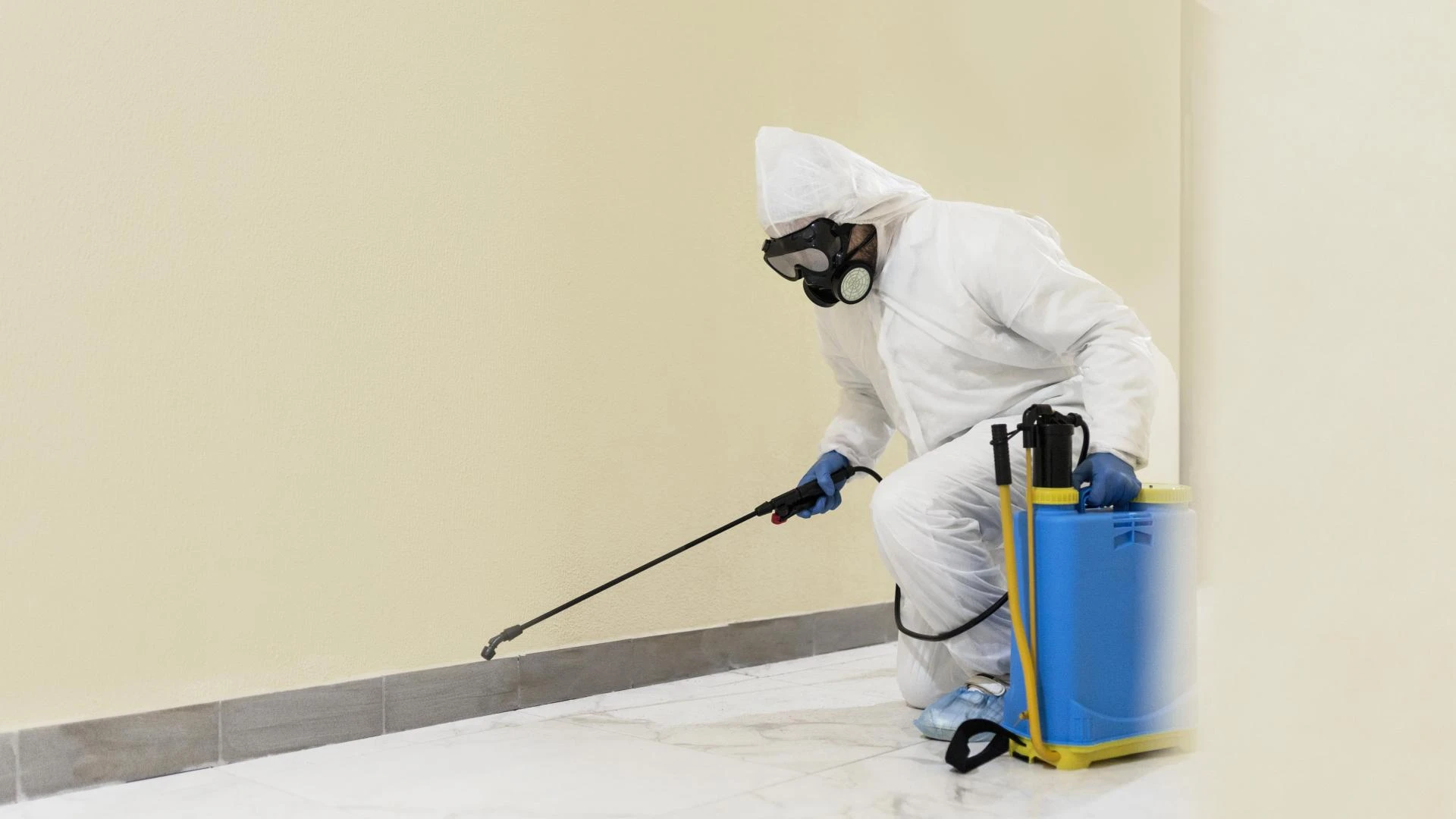
While some minor pest issues can be managed with DIY methods, significant infestations or the presence of dangerous pests warrant professional intervention. Pest control experts have the tools and knowledge to effectively eliminate pests and prevent future problems.
Conclusion
Understanding the common pests in Gold Coast homes and implementing preventive measures can significantly reduce the risk of infestations. Regular maintenance, cleanliness, and vigilance are key. When in doubt, consulting with pest control professionals ensures a safe and pest-free living environment.














Sign in to leave a comment.