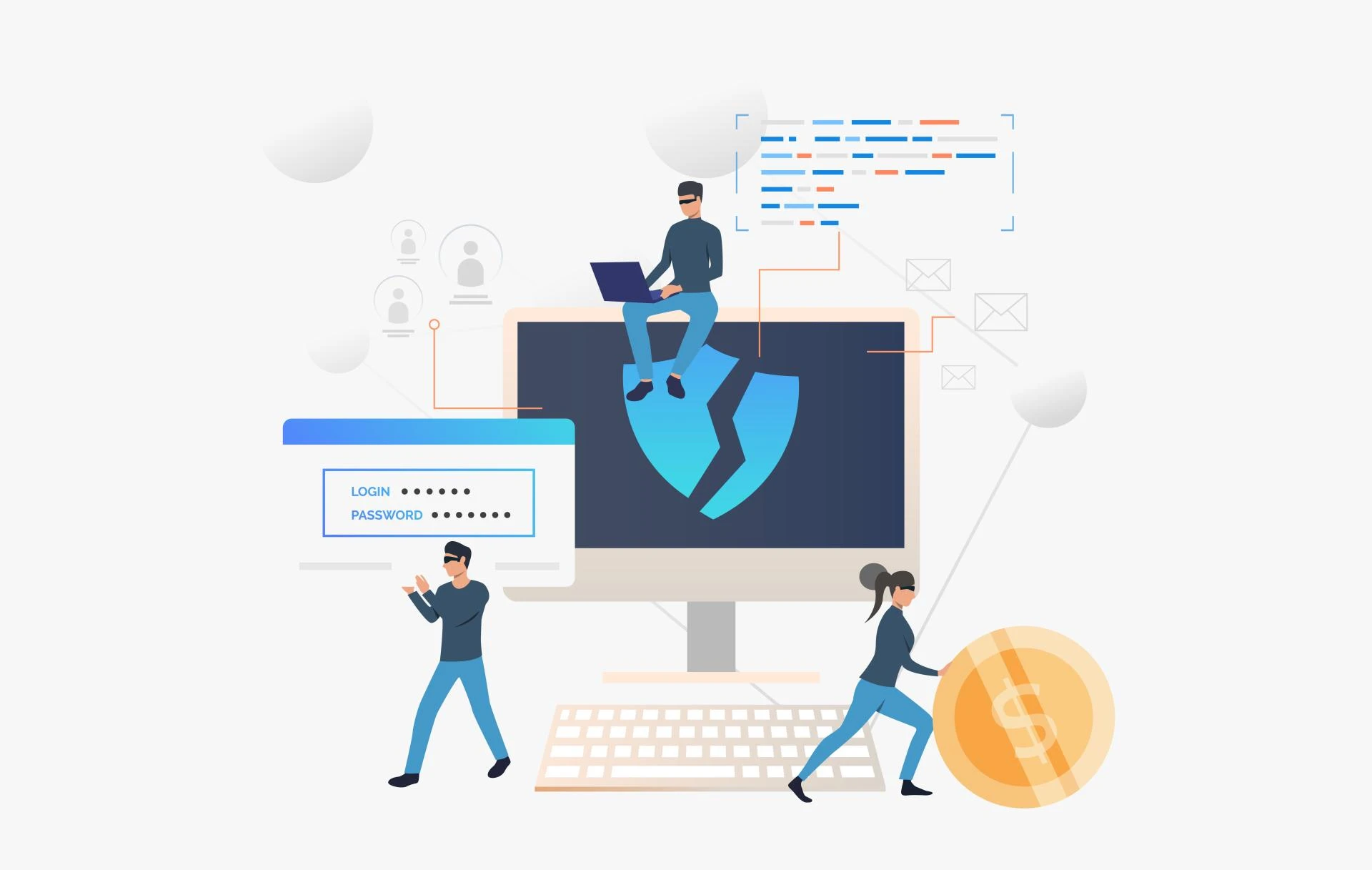
In today's interconnected world, the rise of cybercrime has become an alarming reality. As technology advances, so do the tactics of hackers and cybercriminals. The consequences of these cyber attacks can be devastating for businesses, governments, and individuals alike. From data breaches to ransomware attacks, the impact on privacy, financial security, and personal well-being cannot be overstated.
In this post, we’ll explore the top 10 most dangerous cyber attacks of all time, offering insight into the methods used and the lessons learned. As you read, remember that cyber threats are evolving, and it’s more important than ever to invest in strong cybersecurity practices. For comprehensive protection, consider solutions offered by trusted security experts like Sattrix, which provides advanced defense systems to keep your digital assets safe.
1. The WannaCry Ransomware Attack (2017)
One of the most widespread and damaging cyber attacks in history, WannaCry wreaked havoc across 150 countries in May 2017. It exploited a vulnerability in Microsoft Windows (known as EternalBlue), locking users out of their files and demanding ransom in Bitcoin. The attack affected organizations worldwide, including the UK’s National Health Service (NHS), where patient care was severely disrupted.
WannaCry was particularly dangerous due to its self-propagating nature, meaning once a single system was infected, it could quickly spread across networks. Microsoft issued a patch for the vulnerability, but the damage was already done. The WannaCry attack highlights the importance of keeping systems up-to-date and securing networks against known vulnerabilities.
2. The NotPetya Attack (2017)
Another major attack in 2017 was NotPetya, which initially appeared to be ransomware but was later identified as a form of wiper malware designed to cause maximum destruction rather than generate ransom. The malware targeted Ukrainian businesses and government systems but quickly spread globally, affecting large corporations like Maersk, FedEx, and Merck.
What made NotPetya particularly dangerous was its ability to spread across networks and infect multiple machines without any user interaction. The attack caused billions of dollars in damage, demonstrating the far-reaching consequences of state-sponsored cyber warfare.
3. The Stuxnet Worm (2010)
Stuxnet was a sophisticated cyber-attack that targeted Iran’s nuclear enrichment facilities. Unlike typical malware, Stuxnet was specifically designed to sabotage the physical equipment used in Iran’s nuclear program. The worm spread through Windows-based systems, exploiting multiple zero-day vulnerabilities and altering the behavior of centrifuges used in uranium enrichment.
The Stuxnet attack is believed to have been a joint operation between the U.S. and Israel, marking one of the first known cases of a cyber weapon being used for geopolitical purposes. This attack showed that cyber warfare could have real-world consequences, particularly in critical infrastructure.
4. The Equifax Data Breach (2017)
In 2017, Equifax, one of the largest credit reporting agencies in the world, suffered a massive data breach that exposed the personal information of 147 million Americans. The breach occurred due to a vulnerability in the Apache Struts software, which Equifax had failed to patch in a timely manner.
Hackers gained access to sensitive data, including social security numbers, birth dates, and addresses. The breach not only led to significant financial losses for the company but also undermined trust in the ability of large corporations to protect consumer data. It was a wake-up call for businesses to prioritize cybersecurity and data protection.
5. The SolarWinds Supply Chain Attack (2020)
In 2020, hackers infiltrated the network of SolarWinds, a major provider of IT management software used by governments, corporations, and other organizations worldwide. The attackers inserted malicious code into SolarWinds’ software updates, which were then distributed to over 18,000 customers.
The SolarWinds attack was highly sophisticated, involving months of reconnaissance before the malicious code was deployed. It allowed the attackers to spy on sensitive data, steal intellectual property, and compromise national security agencies. This breach demonstrated the vulnerabilities of the software supply chain and the need for organizations to implement rigorous security protocols.
6. The Yahoo Data Breach (2013-2014)
The Yahoo data breach remains one of the largest in history. Over the course of two years, hackers gained access to the personal data of 3 billion Yahoo accounts. The breach compromised usernames, email addresses, phone numbers, and security questions. Yahoo initially disclosed the breach in 2016, but further investigations revealed the attack had been ongoing for much longer.
The breach is believed to have been carried out by a state-sponsored group, and it had long-lasting effects on Yahoo’s reputation and its acquisition by Verizon. It underscores the critical importance of strong encryption and prompt security responses.
7. The Target Data Breach (2013)
In 2013, retail giant Target fell victim to one of the most infamous data breaches in history. Hackers gained access to the retailer’s network through a third-party vendor, exploiting weaknesses in the company’s security system. The breach affected over 40 million credit and debit card accounts, as well as personal information of 70 million customers.
Target’s failure to detect the breach for weeks allowed the hackers to siphon off customer data undetected. This attack serves as a reminder that third-party vendors can be an entry point for cybercriminals, and businesses must implement strong security measures across their entire supply chain.
8. The Sony Pictures Hack (2014)
In 2014, Sony Pictures was hacked by a group calling itself the “Guardians of Peace.” The attack resulted in the leak of sensitive internal emails, unreleased films, and personal information of employees. The hack was allegedly in retaliation for the film The Interview, a satirical comedy about North Korean leader Kim Jong-un.
The cyber-attack caused significant financial and reputational damage to Sony, as well as ongoing legal and security challenges. The Sony hack demonstrated the vulnerability of large corporations to targeted attacks, particularly when geopolitical tensions are involved.
9. The Bangladesh Bank Heist (2016)
In 2016, cybercriminals attempted to steal $1 billion from the Bangladesh Bank through the SWIFT payment system, which is used for international money transfers. The attackers gained access to the bank’s systems and sent fraudulent transfer requests to various financial institutions. Fortunately, the heist was foiled when a typo in one of the requests raised red flags.
Despite the failure of the majority of the transfers, the attackers successfully stole $81 million, highlighting the vulnerability of international banking systems to cybercrime. The incident led to increased scrutiny of the SWIFT system’s security measures and the need for more robust cybersecurity practices in the financial sector.
10. The Marriott Data Breach (2014-2018)
The Marriott data breach, which was discovered in 2018, exposed the personal information of approximately 500 million customers. Hackers gained access to Marriott’s Starwood reservation system and were able to steal sensitive data, including passport numbers, credit card details, and travel itineraries.
The breach went undetected for several years, and its scale made it one of the most significant data breaches in the hospitality industry. It serves as a critical reminder of the importance of encryption, multi-factor authentication, and regular security audits for businesses that handle large volumes of sensitive customer data.
Conclusion: Stay Safe with Sattrix Cybersecurity
These 10 cyber-attacks illustrate just how vulnerable our digital world can be. Whether it’s ransomware, data breaches, or cyber warfare, the consequences of a successful attack can be devastating. Protecting your business and personal data is crucial to ensuring your safety and maintaining trust in the digital age.
By partnering with cybersecurity experts like Sattrix, you can take proactive steps to safeguard your systems, prevent breaches, and respond swiftly in the event of an attack. Stay informed, stay secure, and ensure your cybersecurity defenses are as robust as possible.
Don’t wait for the next attack – act now to protect your digital world with Sattrix cybersecurity solutions.








Sign in to leave a comment.