
Exploring heritage landmarks reveals how earlier generations influenced traditions, craftsmanship, and design choices that still shape modern communities today. Travelers searching for the top historical sites in New Orleans often want experiences that feel informative, grounded, and visually engaging rather than rushed or surface-level. This guide highlights the top 10 historical sites in New Orleans while explaining why each place continues to hold cultural and historical weight. The New Orleans Times advises visitors to slow down while visiting historic locations, noting, “Preserved sites offer context, not just scenery, and thoughtful exploration helps protect these places for future generations.”
- Historic landmarks reflect cultural identity through preserved design
- Educational tours provide context beyond basic sightseeing
- Preservation efforts reduce damage from weather and time
Immersive Top Historical Sites to See in New Orleans
Visitors often discover that historic districts provide layered learning experiences that go beyond plaques and signs, where architecture, art, and long-standing traditions quietly tell deeper stories. Many travelers exploring the Top 10 Historical Sites to See in New Orleans describe a strong sense of connection after seeing restored buildings, curated exhibits, and intact neighborhoods. Experiences feel textured and personal, history surrounds visitors at every turn, iron balconies, brick walkways, and shaded courtyards reveal details easily missed at first glance. Travelers commonly join walking tours, notice craftsmanship on centuries-old structures, and gain respect for the skill required to preserve them.
- Guided tours explain historical context and local significance
- Interpretive signage highlights architectural methods and materials
- Preservation organizations support education and restoration work
1.French Quarter Landmarks
Historic French Quarter Walking Tour
The French Quarter remains one of the most recognizable historic districts in the United States, with many buildings dating to the late 1700s after major fires in 1788 and 1794 prompted widespread rebuilding, according to National Park Service records. Visitors walking through the area encounter Spanish colonial architecture blended with French cultural traditions, reflecting centuries of trade, migration, and adaptation. Streets feel active yet grounded in history, balancing tourism with daily life. Preservation remains essential because millions of annual visitors help fund long-term restoration and structural upkeep.
- Spanish colonial and Creole architectural influences
- Historic sites tied to early trade and civic life
- Preservation supported through tourism funding
2. Jackson Square Attractions
Jackson Square Historic Landmarks
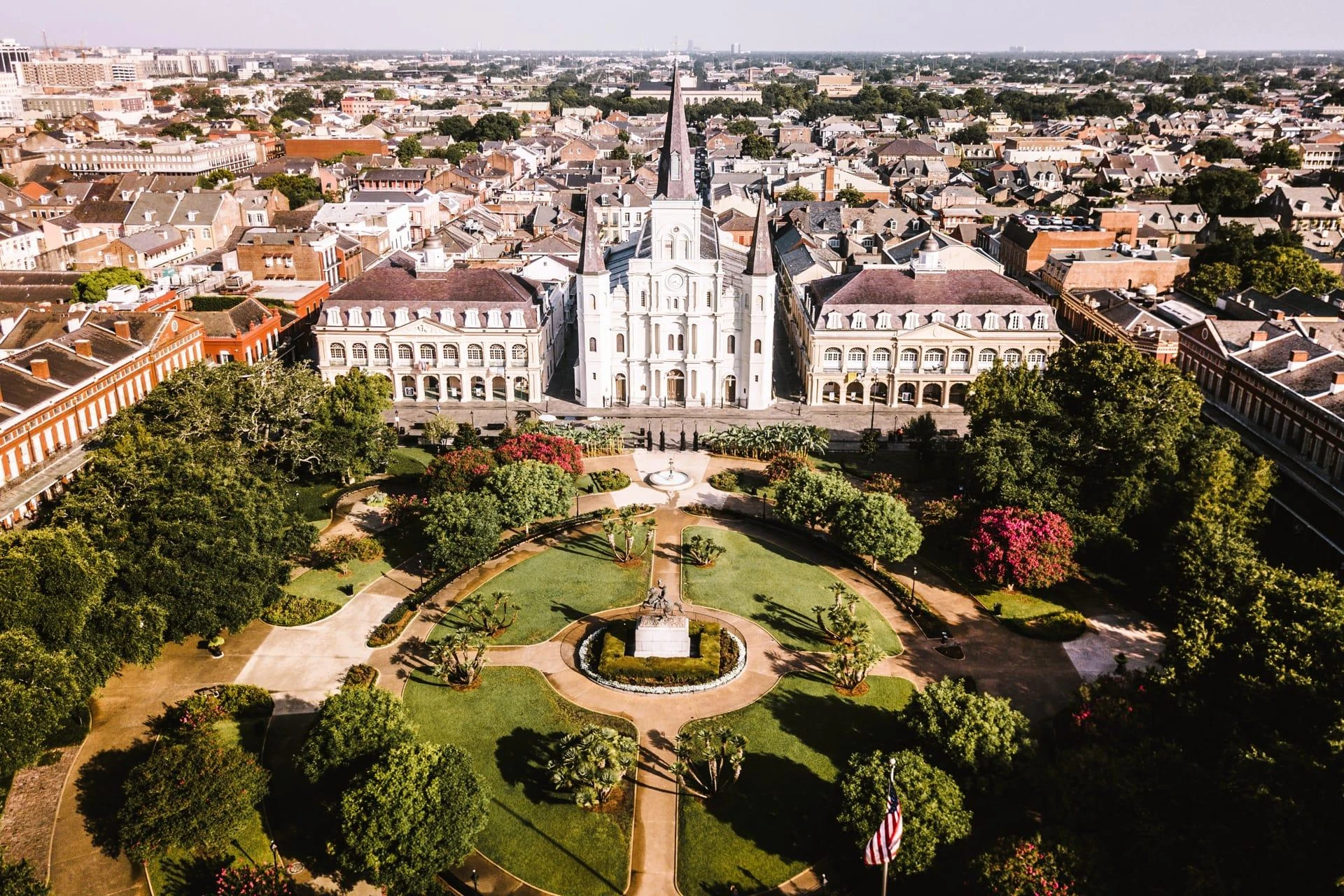
Jackson Square has served as a public gathering space since the early 1700s and played a significant role during the Louisiana Purchase transfer ceremony in 1803, as documented by the National Archives. Artists and performers continue gathering there, carrying forward a tradition of public expression rooted in colonial society. Visitors can easily imagine early civic life while viewing nearby historic buildings. Open green space offers a calm contrast to the surrounding activity.
- Historic site connected to the Louisiana Purchase
- Public space supporting cultural expression
- Preserved monuments reflecting early governance
3. St Louis Cathedral History
St Louis Cathedral Historic Church
St Louis Cathedral remains the oldest continuously operating Roman Catholic cathedral in the United States, originally established in 1720 and rebuilt several times after fires and storms, according to Archdiocese historical records. Religious landmarks often anchor historic districts, and this cathedral reflects European design paired with local craftsmanship. Interior details highlight carefully preserved religious artwork and symbolism. Visitors frequently appreciate both architectural precision and spiritual importance.
- Continuous religious service spanning centuries
- Reconstruction following fires and hurricanes
- Preserved religious artwork and symbolism
4. The Cabildo Museum
Cabildo Louisiana Purchase History
The Cabildo once served as the Spanish colonial government headquarters and later became the site where Louisiana formally transferred to the United States, confirmed through National Park Service documentation. Government buildings often represent political turning points, and this structure reflects major territorial change. Museum exhibits display artifacts and documents explaining regional governance. Visitors gain insight into colonial administration and early American expansion.
- Spanish colonial government headquarters
- Louisiana Purchase transfer location
- Exhibits explaining political transition
5. The Presbytere Museum
Presbytere Mardi Gras Exhibits
The Presbytere originally housed clergy in the late 18th century and now operates as a museum featuring exhibits on Mardi Gras traditions and Hurricane Katrina recovery, supported by Louisiana State Museum archives. Cultural celebrations and natural disasters shaped regional identity in lasting ways. Exhibits document resilience, tradition, and rebuilding through preserved artifacts. Visitors learn how communities maintained cultural continuity during challenging periods.
- Mardi Gras history and traditions
- Hurricane Katrina recovery exhibits
- Cultural preservation through museum programs
6. Garden District Mansions
Garden District Historic Homes Tour
The Garden District developed during the 19th century as affluent American families built grand residences beyond earlier colonial neighborhoods, according to Louisiana Historical Society research. Architectural styles include Greek Revival, Italianate, and Victorian designs reflecting economic growth. Walking tours highlight craftsmanship, landscaping, and preserved façades. Many homes remain privately owned yet contribute to preservation through careful maintenance.
- Greek Revival and Victorian architecture
- Homes reflecting economic and social growth
- Guided tours explaining preservation standards
7. Lafayette Cemetery No 1
Lafayette Cemetery Historic Tombs
Above-ground burial practices developed due to high groundwater levels, as documented by the Environmental Protection Agency and regional historical research, creating cemetery designs uncommon elsewhere in the country. Visitors observe elaborate tombs arranged in family groupings that reflect cultural and religious customs. Preservation programs focus on structural stability and authenticity. Guided tours provide historical education while promoting respectful visitation.
- Above-ground burial structures shaped by environment
- Family tombs reflecting cultural traditions
- Preservation initiatives protecting historic burial sites
8. New Orleans Pharmacy Museum
Historic Apothecary Medical Museum
The Pharmacy Museum occupies a former 19th century apothecary operated by Louis Dufilho Jr., recognized by the Smithsonian as America’s first licensed pharmacist. Early medical practices relied on herbal remedies, experimental treatments, and handcrafted tools. Exhibits display antique surgical instruments and medicinal ingredients. Visitors gain perspective on the gradual development of modern healthcare.
- Early pharmaceutical tools and remedies
- History of licensed pharmacy practice
- Medical experimentation exhibits
9. Hermann Grima House
Hermann Grima House Historic Residence
The Hermann Grima House offers insight into daily life within a 19th century Creole townhouse preserved by the Woman’s Exchange organization. Furnishings and domestic artifacts illustrate household routines and social expectations. Guided tours often include interpreters explaining traditions and family roles. Visitors gain understanding of historical domestic life and social structure.
- Preserved Creole townhouse interior
- Domestic artifacts showing daily routines
- Guided interpretation of household life
10. Longue Vue House and Gardens
Longue Vue Estate Historic Gardens
Longue Vue House and Gardens reflects early 20th century estate design influenced by European landscaping traditions, documented by the National Register of Historic Places. Garden layouts feature balanced plant arrangements and intentional walking paths. The estate supports art exhibitions and educational programs. Visitors experience both architectural and botanical preservation.
- European-influenced estate design
- Cultural and educational programming
- Curated garden preservation
New Orleans Historic Preservation and Cultural Heritage
Historic landmarks show how architecture, religion, government, and daily living evolved over time, supported by preservation funding from tourism and federal agencies such as the National Park Service. The historical sites in New Orleans illustrate how storytelling, craftsmanship, and tradition shape community identity. Visitors often develop respect for the complexity of restoration efforts. The New Orleans Times explains, “Protecting historic places supports education, safeguards cultural memory, and keeps local history accessible.”
- Federal grants support restoration projects
- Tourism funding aids preservation
- Educational tours encourage cultural respect
Top Historical Sites to See in New Orleans Takeaways
Exploring the Top 10 Historical Sites to See in New Orleans provides insight into architecture, tradition, and events that shaped American history. Historic landmarks reflect adaptation, craftsmanship, and resilience. Preservation relies on public engagement and education. Thoughtful exploration strengthens cultural understanding.
- Historic sites reflect social and cultural development
- Preservation depends on tourism and community support
- Educational tours deepen historical awareness
- Architectural diversity reflects evolving design













Sign in to leave a comment.