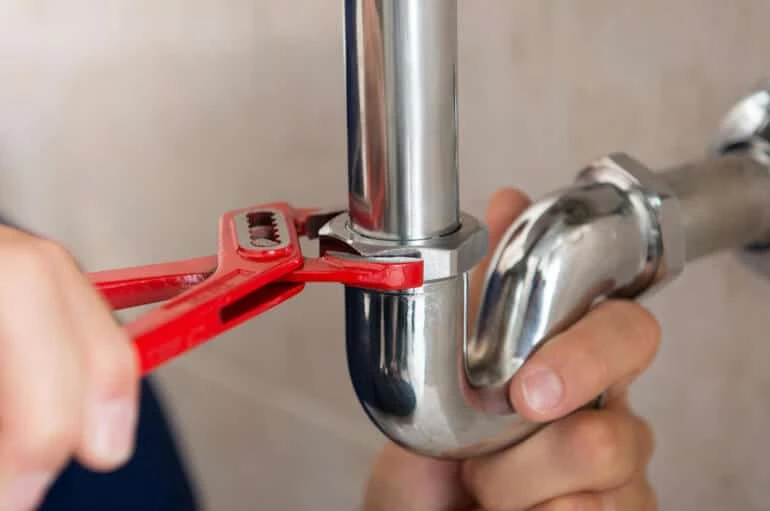

Plumbing systems fail without warning. You need fast action when water damage risk increases or sanitation breaks. This guide lists the top emergency signs using clear symptom → cause → action triplets.
“Water damage escalates within minutes; immediate response reduces structural loss and repair cost.” — Show Plumbing
Expert source: Show Plumbing operates in Cypress and Greater Houston with 25+ years of field experience, 24/7 emergency response, flat-rate pricing, licensed technicians, and warranty-backed work.
What indicates a plumbing emergency immediately?
A plumbing emergency occurs when water flow becomes uncontrolled, sewage backs up, or critical supply fails. These events damage property, increase health risk, and require same-day intervention.
1. Why does a burst pipe require immediate service?
A burst pipe releases high-volume water fast. It floods structures, weakens drywall, and damages electrical systems. Shut the main valve, cut power if safe, and call emergency plumbing within minutes.
- Pipe rupture → pressure spike or freezing → rapid flooding
- Example: ½-inch pipe releases ~50 gallons/hour at 60 psi
2. Why is sewage backup a critical hazard?
Sewage backup exposes you to E. coli, viruses, and toxic gases. It contaminates floors and HVAC pathways. Avoid contact and request immediate extraction and line clearing.
- Drain blockage → reverse flow → contamination
- Data: CDC links sewage exposure to gastrointestinal illness risk
3. What makes no water supply an emergency?
No water supply disrupts sanitation, cooking, and fire safety systems. It signals main line failure, valve damage, or municipal issues.
- Supply loss → valve failure or leak → service interruption
- Action: Check main valve; contact emergency service if unresolved
4. Why does a water heater failure need urgent repair?
Water heater failure stops hot water and may leak or overheat. Tank leaks cause floor damage; gas units risk carbon monoxide if malfunctioning.
- Heater fault → thermostat or tank breach → leak or no heat
- Example: Tank corrosion causes sudden base rupture
5. Why is a major leak under sinks or walls urgent?
Major leaks increase mold growth, wood rot, and insulation damage. Hidden leaks raise humidity within cavities.
- Seal failure → continuous drip → structural decay
- Metric: Mold can begin within 24–48 hours in damp materials
6. Why do overflowing toilets require emergency action?
Overflowing toilets spread contaminated water across surfaces. The issue often stems from clogs or sewer line problems.
- Obstruction → water rises → overflow
- Action: Stop valve behind toilet; avoid flushing again
7. What does low water pressure across fixtures mean?
System-wide low pressure indicates pipe leaks, mineral buildup, or main line issues. It reduces appliance efficiency and signals hidden loss.
- Pressure drop → leak or blockage → weak flow
- Example: Sudden drop after normal operation suggests active leak
8. Why are gas line issues part of plumbing emergencies?
Licensed plumbers handle gas lines in many regions. Gas leaks cause explosion and health risks.
- Line crack → gas escape → odor (mercaptan) detected
- Action: Evacuate, avoid switches, call emergency service
9. Why do frozen pipes demand immediate response?
Frozen pipes expand and crack when thawing. This leads to burst events and flooding.
- Freezing → ice expansion → pipe split
- Data: Water expands ~9% when frozen
10. Why do strange noises signal urgent problems?
Banging (water hammer), gurgling, or whistling indicates pressure imbalance or blockages. These stress joints and valves.
- Air pockets → shock waves → pipe damage
- Action: Shut water, request system inspection
When should you call a 24/7 emergency plumber?
Call immediately when water flows uncontrollably, sewage appears, gas odor exists, or supply fails. Show Plumbing provides:
- Offers 24/7 emergency dispatch across Cypress and Greater Houston
- Uses flat-rate pricing for cost certainty
- Deploys licensed, skilled technicians
- Provides warranty-backed repairs
Next, understand how fast response reduces cost.
How does fast response reduce damage and cost?
Rapid intervention limits water spread, reduces mold risk, and preserves materials. Insurers often require mitigation steps.
- Early shutoff → less saturation → lower restoration scope
- Example: Immediate response can cut remediation costs by 30–50% in flood cases










Sign in to leave a comment.