
In today’s rapidly evolving beauty and wellness industry, the demand for skilled professionals capable of delivering high-quality aesthetic treatments is unprecedented. Whether you are just stepping into the world of aesthetics or are a seasoned expert seeking to expand your expertise, choosing the right aesthetic courses can significantly impact your career trajectory. This article delves deep into some of the most sought-after aesthetic courses available for both beginners and professionals, highlighting their importance, scope, and the transformative potential they hold.
The Growing Significance of Aesthetic Education
The global aesthetic market has witnessed remarkable growth over the past decade, driven by increasing consumer awareness and demand for minimally invasive cosmetic procedures. This surge has created a fertile ground for aspiring practitioners and established professionals to refine their skills. However, to meet industry standards and client expectations, comprehensive training through credible aesthetic courses becomes essential.
Aesthetic education is not merely about mastering techniques but also understanding the underlying science of skin health, safety protocols, and client consultation skills. For beginners, this foundational knowledge is crucial to build confidence and competence. For professionals, ongoing education offers an opportunity to stay ahead of trends and incorporate advanced treatments into their service portfolio.
Foundational Aesthetic Courses for Beginners
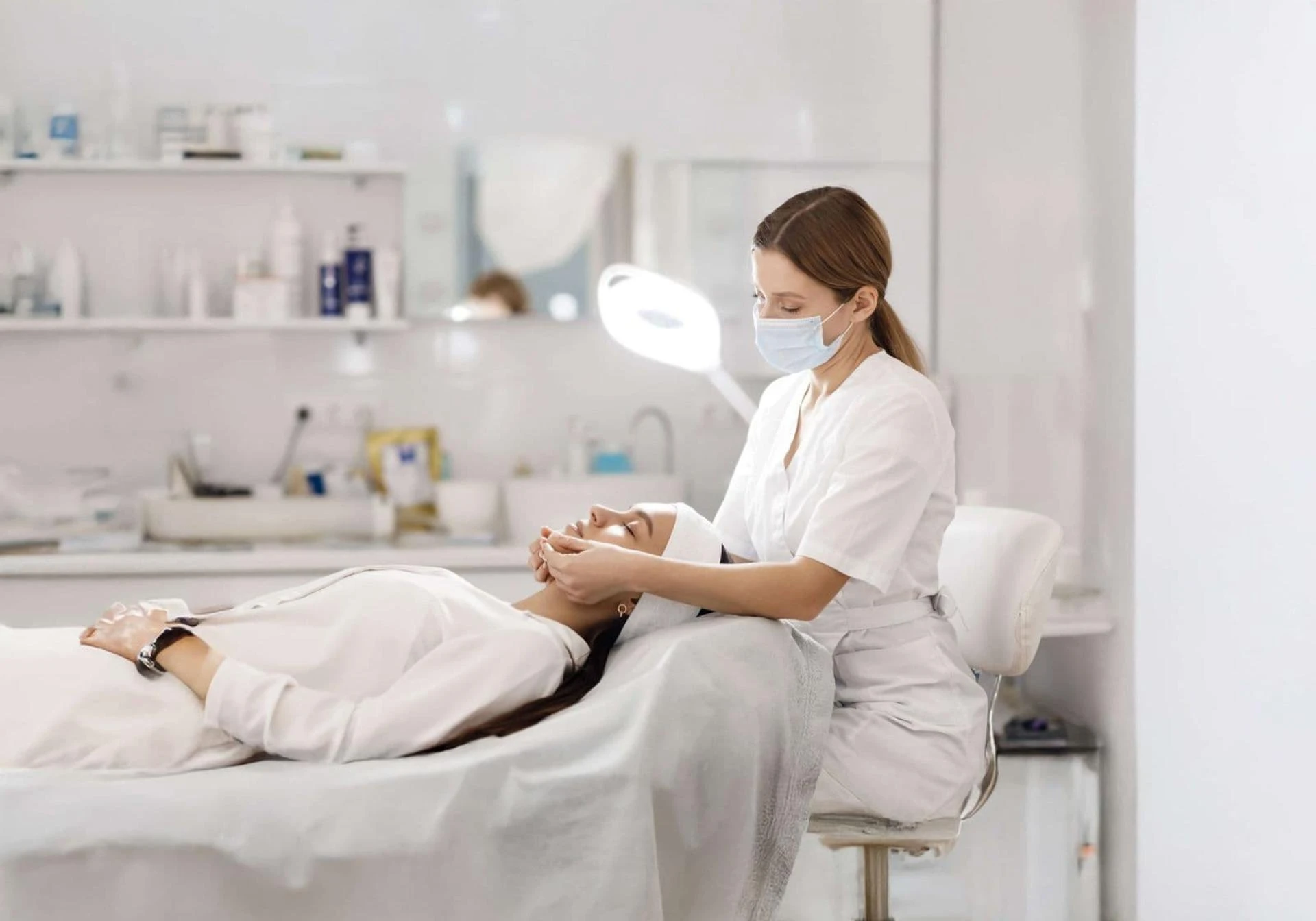
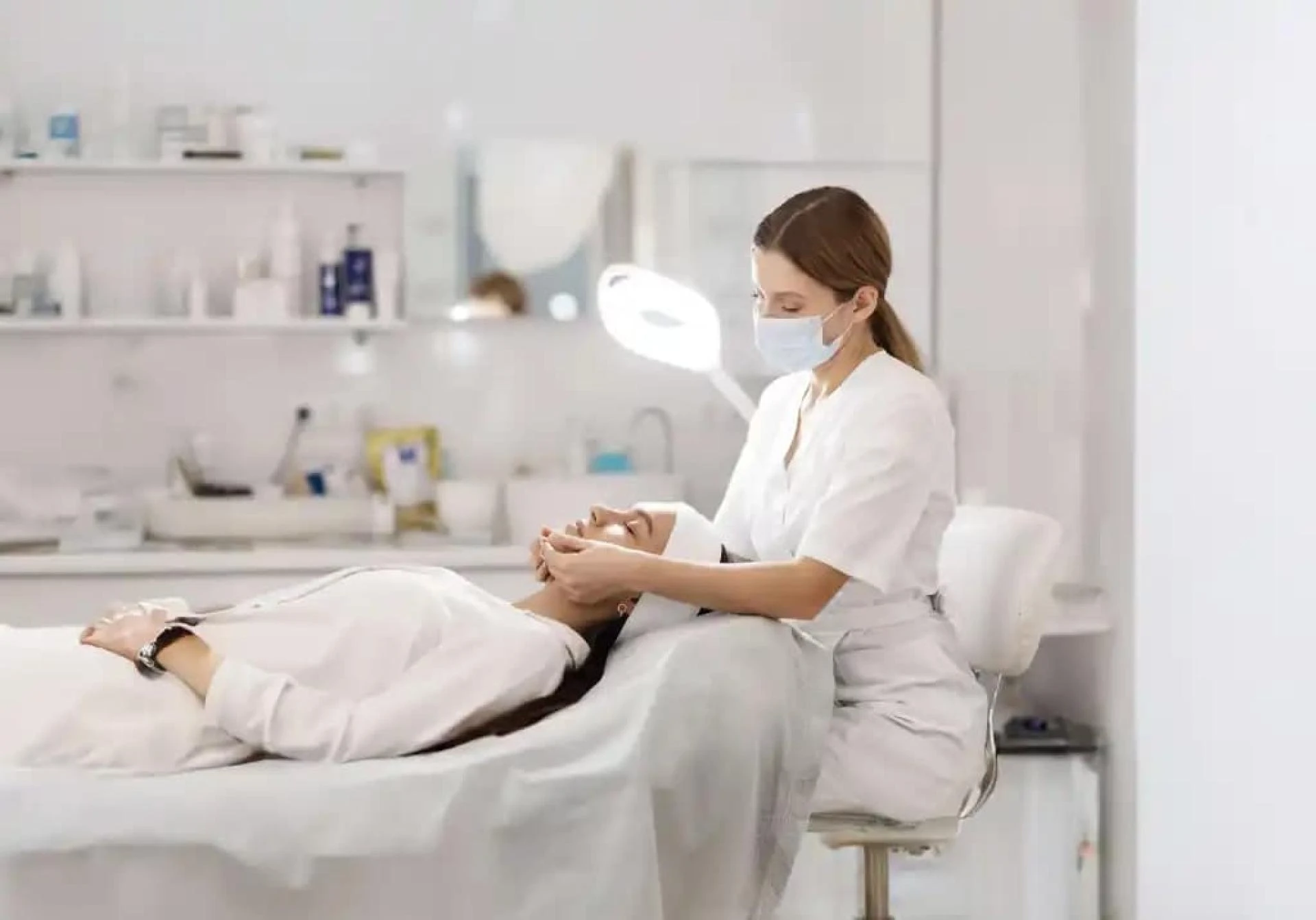
Entering the aesthetics field requires a well-structured learning path that introduces core principles and basic procedures. Beginner-level aesthetic courses typically cover essential topics such as skin anatomy, hygiene practices, and introductory treatments like chemical peels, microdermabrasion, and facial massage. These courses emphasize hands-on training to allow students to develop practical skills in a controlled environment.
The appeal of these foundational courses lies in their accessibility and thorough approach, which enables novices to grasp the intricacies of aesthetic treatments without feeling overwhelmed. They also often include modules on client communication and business ethics, preparing students not only to perform treatments but also to manage client relationships professionally.
Moreover, many beginner courses are designed with flexible schedules and online components, catering to learners balancing other commitments. This adaptability has expanded access to aesthetic education, allowing a broader demographic to join the industry.
Advanced Aesthetic Courses for Professionals
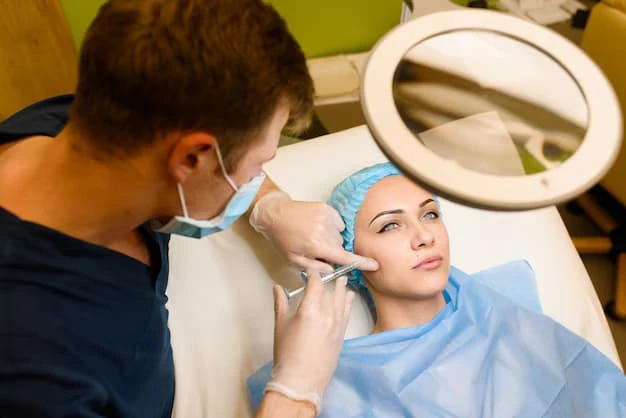
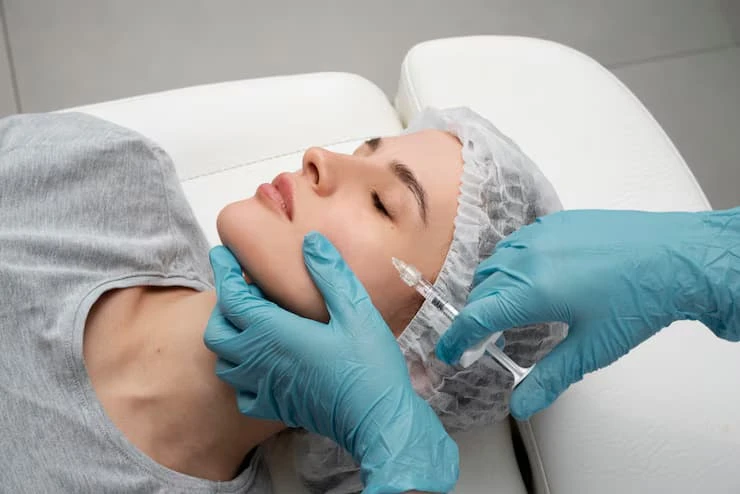
For those already familiar with basic aesthetic procedures, advanced aesthetic courses provide an avenue to enhance technical proficiency and explore innovative treatment modalities. These courses delve into specialized areas such as dermal fillers, Botox administration, laser therapy, and advanced skin rejuvenation techniques.
What distinguishes advanced training is its focus on precision, safety, and outcomes. Professionals learn to tailor treatments based on individual patient needs, manage complications, and integrate cutting-edge technologies. The curriculum often includes comprehensive anatomy reviews, pharmacology, and legal considerations, ensuring practitioners uphold the highest standards of care.
The demand for such expertise is evident in the expanding portfolio of minimally invasive procedures that clients seek, which require nuanced skills and up-to-date knowledge. By pursuing advanced aesthetic courses, professionals not only enhance their competence but also increase their marketability and earning potential.
The Role of Certification and Accreditation
One of the most critical factors when selecting an aesthetic course is the accreditation status of the training provider. Certification from recognized bodies serves as validation of the quality and relevance of the education received. It also reassures clients that the practitioner adheres to industry best practices and continuous professional development.
Accredited courses often align with national or international standards, incorporating rigorous assessments and practical evaluations. This comprehensive approach ensures that graduates are well-equipped to operate safely and effectively in diverse clinical settings. Furthermore, holding recognized certifications can open doors to advanced career opportunities, including teaching roles and specialized clinical positions.
Integrating Technology and Innovation in Aesthetic Training
The aesthetics industry is characterized by rapid technological advancements, with new devices and treatment methods emerging regularly. Leading aesthetic courses incorporate these innovations into their curriculum, allowing learners to familiarize themselves with the latest equipment and protocols.
For example, training on laser devices now covers various wavelengths and their applications for different skin types and conditions. Similarly, courses on injectables include the latest trends in product formulations and injection techniques. This dynamic learning environment fosters adaptability, critical thinking, and a commitment to lifelong learning among practitioners.
Moreover, some courses blend virtual reality simulations and online modules with traditional hands-on training, enhancing engagement and skill retention. This hybrid model has become especially valuable in recent times, providing uninterrupted learning despite external challenges.
Career Pathways After Completing Aesthetic Courses
Completing well-structured aesthetic courses opens a multitude of career paths within the beauty and medical aesthetics sectors. Beginners often start as aesthetic therapists, skin care consultants, or clinic assistants, gradually building their portfolio and client base. Professionals with advanced training may pursue roles as aesthetic nurses, cosmetic injectors, or laser specialists.
Beyond clinical roles, opportunities exist in product development, education, and management within aesthetic clinics or wellness centers. Entrepreneurship is another viable avenue, with many practitioners choosing to establish their own practices or mobile aesthetic services.
The versatility of aesthetic qualifications also allows professionals to work across different countries, subject to local regulations, thereby expanding their professional horizons.
Conclusion: Embarking on Your Aesthetic Journey
Choosing the right aesthetic courses is a pivotal step toward building a rewarding career in the beauty and wellness industry. Whether starting from scratch or aiming to elevate existing skills, comprehensive training equips practitioners with the knowledge, confidence, and credentials to excel in a competitive market.
The blend of scientific understanding, practical expertise, and client-centered care forms the cornerstone of successful aesthetic practice. Continuous learning and adaptation to emerging trends further enhance professional growth and client satisfaction.
For those ready to take the next step in their aesthetic career, Este Training Academy offers expertly designed courses tailored to both beginners and seasoned professionals. With a commitment to quality education and hands-on experience, they provide the ideal platform to unlock your potential and thrive in the dynamic world of aesthetics. Begin your transformation today and elevate your expertise to new heights with Este Training Academy!











Sign in to leave a comment.