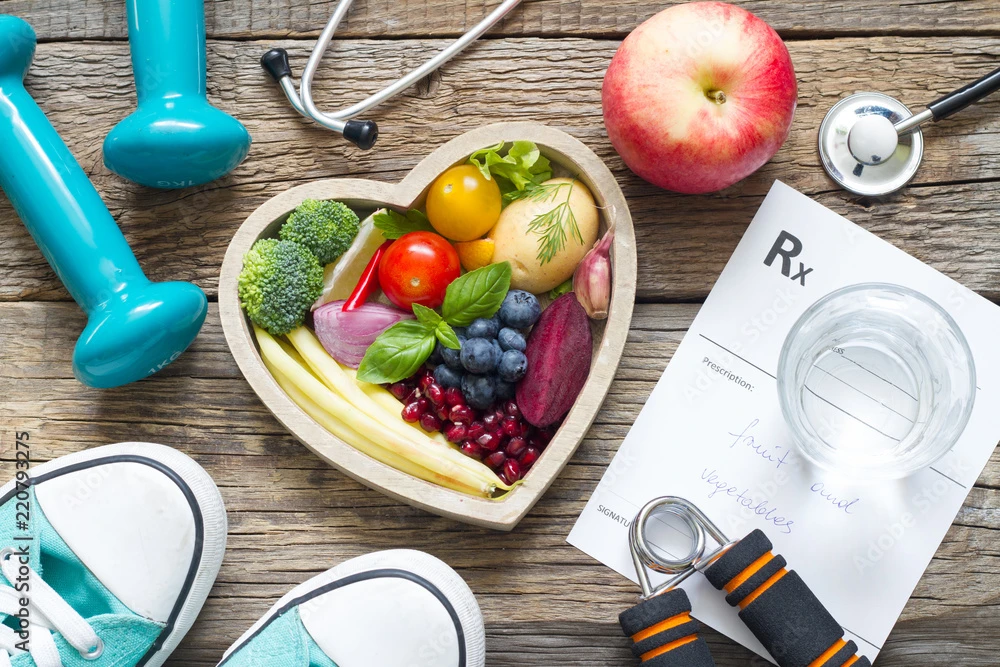

A plant-based diet has gained significant attention for its health benefits, environmental impact, and ethical considerations. Whether you’re considering going fully vegan or just reducing animal products, embracing more plant-based foods can be a life-changing decision. This article dives into the many benefits of a plant-based diet, backed by science and expert opinion, to help you make informed dietary choices.
What Is a Plant-Based Diet?
A plant-based diet focuses on foods derived primarily from plants. This includes fruits, vegetables, legumes, grains, nuts, and seeds. While some people adopt a fully vegan lifestyle (excluding all animal products), others may include small amounts of animal-based foods such as dairy, eggs, or fish. The goal is to prioritize plant foods for better health and sustainability.
1. Health Benefits of a Plant-Based Diet
🥗 Improved Heart Health
Studies have shown that plant-based diets can reduce the risk of cardiovascular disease. A diet rich in vegetables, whole grains, and legumes helps lower LDL (bad) cholesterol and blood pressure. According to the American Heart Association, individuals on plant-focused diets often have lower rates of heart attacks and strokes.
🩺 Lower Risk of Chronic Diseases
Plant-based eaters are less likely to develop type 2 diabetes, certain cancers, and obesity. A 2020 review published in the journal Nutrients highlighted that plant-based diets can improve insulin sensitivity and lower inflammation in the body.
🧠 Enhanced Mental Health
Some research suggests that eating more plant foods may improve mental well-being. Rich in antioxidants, vitamins, and minerals, these diets can reduce symptoms of depression and anxiety. Foods like leafy greens, berries, and nuts are particularly supportive of brain health.
2. Weight Management and Energy Boost
Many people switch to a plant-based diet for weight loss—and for good reason. Plant foods tend to be lower in calories and fat, and higher in fiber, which keeps you fuller for longer. A 16-week clinical trial published in JAMA Network Open found that participants on a plant-based diet lost significantly more weight than those on a conventional diet.
Plus, eliminating processed foods and increasing your intake of natural, nutrient-dense plants can lead to higher energy levels, better digestion, and improved sleep.
3. Environmental Benefits
Beyond personal health, a plant-based diet has a positive impact on the planet. According to the United Nations, livestock farming contributes to 14.5% of all greenhouse gas emissions. By choosing plant-based meals, you help reduce water use, deforestation, and pollution. In fact, studies show that switching to a plant-based diet could cut food-related emissions by up to 70%.
4. Ethical and Animal Welfare Considerations
Many adopt a plant-based lifestyle due to ethical concerns about animal welfare. Factory farming practices are often associated with cruelty and poor living conditions for animals. By choosing plant-based alternatives, you can align your food choices with compassion and sustainability.
5. Nutritional Balance and Common Concerns
🌱 Getting Enough Protein
A common concern is whether a plant-based diet provides enough protein. The answer is yes—plants have plenty of protein. Lentils, chickpeas, tofu, tempeh, quinoa, and nuts are all excellent sources. It’s essential to eat a variety of plant proteins to get all the amino acids your body needs.
💊 Important Nutrients to Watch
Some nutrients like vitamin B12, iron, calcium, omega-3 fatty acids, and vitamin D may require extra attention. These can often be managed with fortified foods or supplements. Consulting with a registered dietitian can help ensure you're meeting your needs.
6. Real-Life Experiences and Success Stories
Thousands of people worldwide have adopted plant-based diets and reported remarkable health transformations. For example, professional athletes like Venus Williams and Lewis Hamilton credit their plant-based diets for improved performance and recovery. Everyday individuals also report clearer skin, better digestion, and increased energy within weeks of making the switch.
7. How to Start a Plant-Based Diet – Easy Tips
Transitioning doesn’t have to be overwhelming. Here are some beginner-friendly tips:
- Start slow: Begin with Meatless Mondays or try one plant-based meal per day.
- Explore new recipes: Try plant-based versions of your favorite dishes like veggie stir-fries, lentil tacos, or oat milk smoothies.
- Stock your pantry: Keep essentials like beans, whole grains, and plant-based milks on hand.
- Focus on whole foods: Minimize processed vegan alternatives and stick with natural plant foods.
- Get support: Join online plant-based communities, follow plant-based influencers, or consider seeing a nutritionist.
8. Final Thoughts
Adopting a plant-based diet can be one of the most impactful decisions for your health, the environment, and animal welfare. Whether you make the change gradually or go all in, every plant-based choice contributes to a better world. The key is to focus on variety, balance, and whole foods while listening to your body’s needs.
FAQs
Q: Is a plant-based diet suitable for kids or pregnant women?
A: Yes, with proper planning, it can be safe and beneficial for all life stages. Consulting a dietitian is recommended.
Q: Do I have to be 100% vegan to benefit?
A: Not at all! Even reducing your intake of animal products can offer health and environmental benefits.
Q: Will I feel full on a plant-based diet?
A: Absolutely. High-fiber foods like beans, oats, and vegetables keep you full and satisfied.















Sign in to leave a comment.