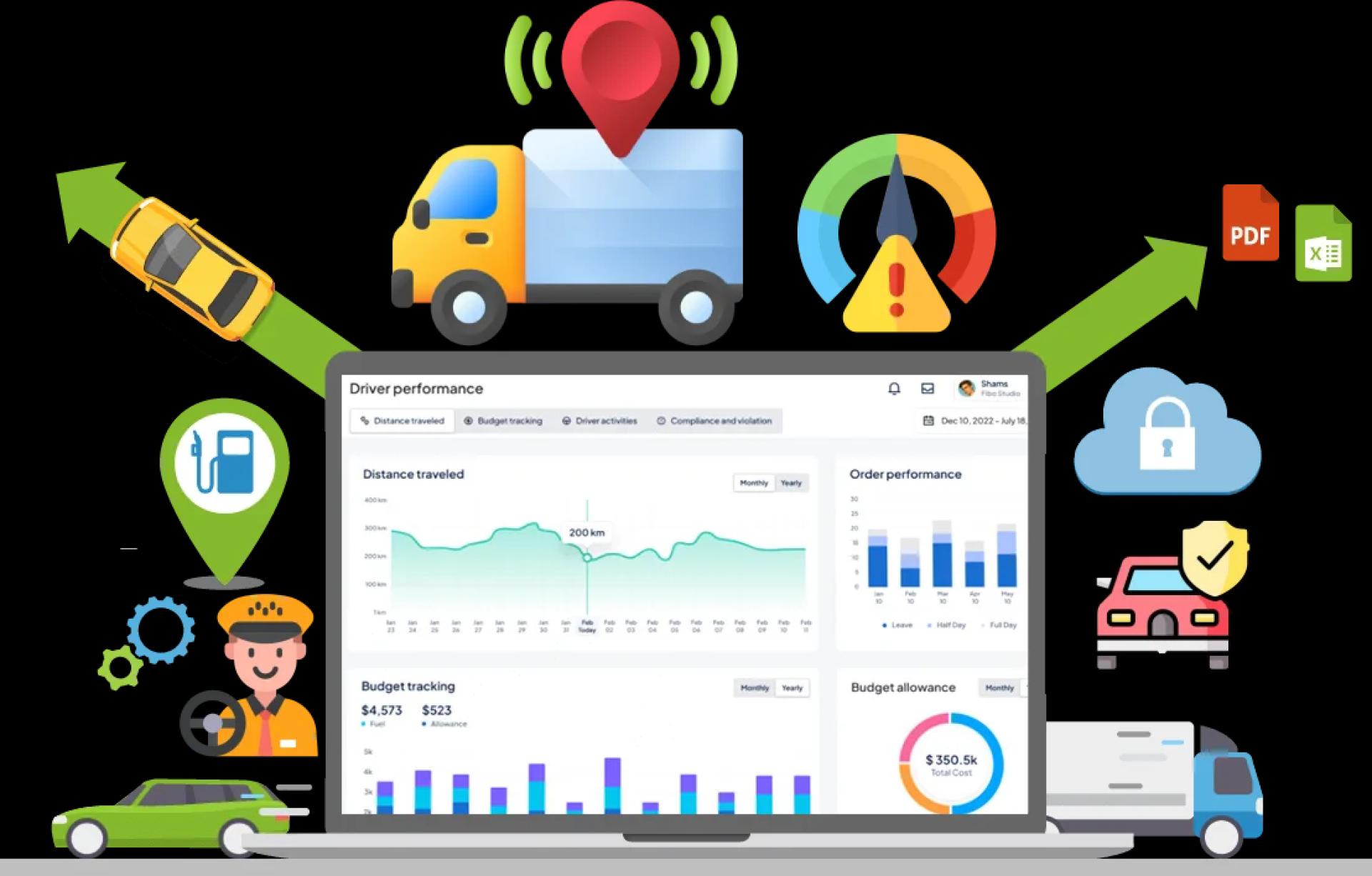

Efficient vehicle tracking and real-time communication are vital components of modern logistics operations. Companies managing fleets must ensure smooth transportation, optimized fuel usage, and timely deliveries to stay competitive in fast-paced markets. Adopting mobile technology built around fleet management app development provides a strategic edge, enabling complete oversight of assets, routes, drivers, and costs. These solutions offer far more than basic GPS tracking—they empower businesses with intelligent data-driven insights that directly impact profitability and customer satisfaction.
Advantages of Investing in Fleet Management Mobile App Solutions
The following are the benefits of investing in fleet management mobile app development:
Real-Time Visibility and Tracking
One of the most significant advantages of digital fleet solutions is the ability to monitor vehicles in real time. Business owners and operations teams gain complete control over fleet movement, making it easier to respond to delays, adjust routes instantly, and reduce idle time. When each vehicle’s position, speed, and route deviation are tracked, managers can ensure safety and efficiency simultaneously. Real-time data also helps streamline logistics coordination, particularly when handling multiple deliveries across cities or states. It becomes easier to monitor driver behavior, promote safer driving practices, and identify operational bottlenecks.
Route Optimization and Fuel Efficiency
Routing inefficiencies often lead to increased operational costs and extended delivery times. A mobile fleet management app can automatically analyze traffic conditions, road closures, and delivery schedules to determine the most efficient routes. Smarter navigation reduces fuel consumption and ensures that drivers complete their tasks faster with fewer interruptions. These optimizations directly reduce operational expenses and environmental impact. Predictive analytics also allow companies to anticipate road conditions or recurring delays, offering more reliability in time-sensitive operations.
Maintenance Scheduling and Asset Management
Vehicle downtime can be costly and disruptive to service delivery. Integrating automated maintenance alerts and tracking into a mobile application helps fleet managers ensure vehicles remain in optimal condition. Based on mileage, usage, or specific error codes, the app can notify managers when inspections, part replacements, or general maintenance is due. This proactive approach reduces the risk of breakdowns, prolongs the life of fleet assets, and lowers repair costs. Ensuring that service history is accessible through the app also streamlines regulatory compliance and improves long-term fleet planning.
Integration With Broader Logistics Operations
Fleet operations rarely function in isolation—they are a critical piece of a larger logistics puzzle. Incorporating mobile solutions into existing supply chain systems allows for seamless communication between dispatch centers, drivers, warehouses, and customers. Businesses managing both domestic and international shipments need cohesive systems that unify planning, tracking, and delivery into a single platform. Integrating a multi-carrier transport management system ensures that companies can efficiently coordinate shipments across different carriers, regions, or transportation methods without juggling multiple disconnected tools. This connectivity supports better collaboration, reduces miscommunication, and accelerates order fulfillment.
Improved Driver Management and Communication
Mobile fleet solutions also enhance communication between drivers and central operations. Real-time updates, schedule changes, and alerts can be sent directly through the app, reducing dependence on phone calls or paper documentation. Drivers receive turn-by-turn navigation, delivery instructions, and updates instantly, improving efficiency and accuracy on the road. This also minimizes the risks associated with misunderstandings or missed details during deliveries. Features like digital logbooks, automated checklists, and safety compliance prompts help ensure drivers stay organized and aligned with operational goals.
Regulatory Compliance and Safety Monitoring
Staying compliant with local and national transportation regulations is crucial for any fleet operator. Custom mobile app development can embed compliance tools, such as driver hour logs, emissions tracking, and inspection checklists. Digital documentation minimizes the chances of penalties during audits or inspections. Safety features like real-time alerts for excessive speed or harsh braking encourage responsible driving behavior and reduce accident rates. Businesses not only stay legally compliant but also foster a culture of accountability and safety throughout their fleet.
Scalability and Customization for Long-Term Growth
As businesses grow, so do their operational needs. A mobile fleet management system that evolves alongside the organization allows for feature additions, geographic expansion, and team scaling without disruption. Custom platforms are designed with adaptability in mind, allowing companies to enhance modules, connect to third-party systems, and refine user roles over time. Flexibility ensures that the app remains aligned with the business model and continues to add value even as market demands shift. Whether managing ten vehicles or several hundred, scalable solutions keep complexity under control.
Summary
Mobile technology is revolutionizing how companies manage their transportation operations. Investing in tailored fleet management solutions creates transparency, boosts efficiency, and drives higher levels of customer satisfaction. Businesses gain a sharper competitive edge when they embrace tools built specifically for their workflows and logistics structures. The insights and automation provided by these platforms allow managers to make faster, smarter decisions that save money and support growth. Partnering with a customized software development services provider ensures that every feature is aligned with business goals, allowing the app to function as a true operational asset.












Sign in to leave a comment.