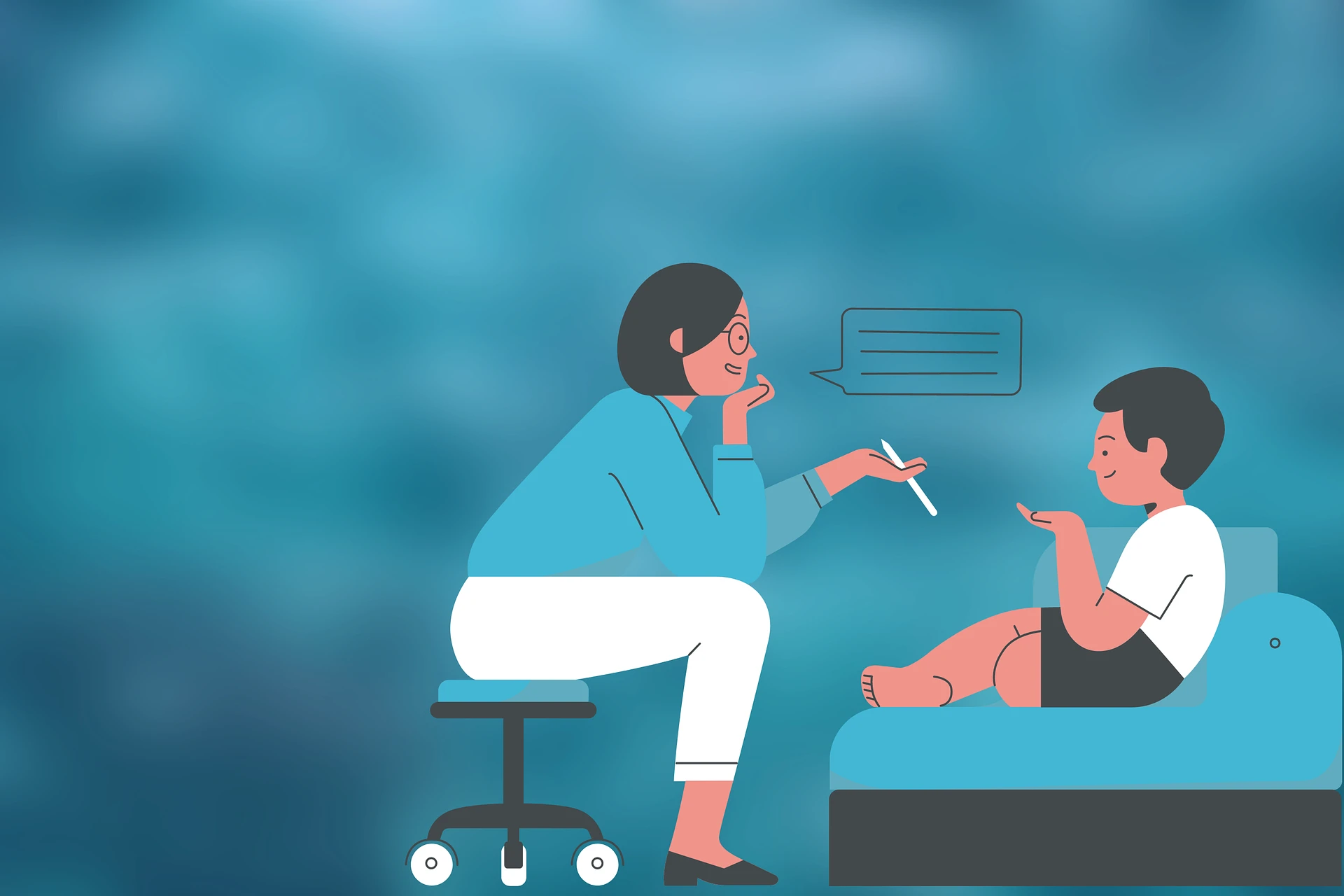

Agoraphobia can make everyday activities—like leaving home, using public transport, or being in crowded spaces—feel overwhelming or even impossible. Fortunately, online therapy for agoraphobia has emerged as a practical and effective solution, offering individuals access to professional support without the stress of in-person visits. As digital mental health services continue to evolve, more people are finding relief through structured, remote care tailored to their needs.
In recent years, anxiety therapy online, virtual counseling, and telehealth-based cognitive behavioral therapy (CBT) have gained credibility among both patients and clinicians. These approaches provide flexible, evidence-based treatment options that can be accessed from the safety of one’s home—an essential factor for individuals struggling with agoraphobia.
Understanding Agoraphobia and Its Treatment Needs
Agoraphobia is an anxiety disorder characterized by a fear of situations where escape may be difficult or help unavailable. This often leads to avoidance behaviors that can significantly impact daily functioning and quality of life.
Why Online Therapy Works for Agoraphobia
Online therapy aligns particularly well with agoraphobia treatment for several reasons:
- Accessibility: Patients can begin therapy without leaving their comfort zone.
- Gradual Exposure: Therapists can guide exposure therapy step-by-step in real-world settings.
- Consistency: Regular sessions are easier to maintain without logistical barriers.
- Privacy: Reduced stigma and increased comfort for those hesitant to seek help.
Research indicates that internet-based CBT (iCBT) can be as effective as face-to-face therapy for anxiety disorders, including agoraphobia, when delivered properly.
Key Features to Look for in Online Therapy Platforms
Before exploring specific platforms, it’s important to understand what makes an online therapy service effective for agoraphobia treatment.
1. Licensed and Specialized Therapists
Look for platforms that offer access to licensed mental health professionals with experience in anxiety disorders and CBT.
2. Structured Treatment Plans
Effective platforms provide structured programs, often based on CBT, exposure therapy, or acceptance and commitment therapy (ACT).
3. Flexible Communication Options
Options such as video calls, messaging, and phone sessions allow patients to engage at their own pace.
4. Progress Tracking Tools
Many platforms include journals, mood trackers, and worksheets that support ongoing recovery.
Top Online Therapy Platforms for Agoraphobia Treatment
1. BetterHelp
BetterHelp is one of the most widely used online therapy platforms, offering access to thousands of licensed therapists worldwide.
Key Benefits:
- Matches users with therapists based on preferences and needs
- Offers video, chat, and phone sessions
- Flexible scheduling and easy therapist switching
Best For:
Individuals seeking a broad selection of therapists and flexible communication options.
2. Talkspace
Talkspace provides structured therapy plans and is known for its user-friendly interface and accessibility.
Key Benefits:
- Unlimited messaging therapy plans
- Psychiatry services available for medication management
- Insurance coverage options in some regions
Best For:
Users who prefer ongoing communication rather than scheduled sessions.
3. Online-Therapy.com
This platform focuses heavily on CBT, making it particularly effective for treating anxiety-related conditions like agoraphobia.
Key Benefits:
- Structured CBT programs with worksheets and activities
- Daily therapist feedback
- Interactive tools for behavioral change
Best For:
Individuals who benefit from structured, homework-based therapy approaches.
4. Amwell
Amwell connects users with licensed therapists and psychiatrists through a telehealth model.
Key Benefits:
- On-demand and scheduled sessions
- Accepts insurance plans
- Access to both therapy and medical consultations
Best For:
Those looking for a more traditional healthcare experience online.
5. MindShift CBT (App-Based Support)
While not a therapy platform in the traditional sense, MindShift CBT is a valuable companion tool for managing anxiety symptoms.
Key Benefits:
- Self-guided CBT strategies
- Anxiety tracking and coping tools
- Free and accessible
Best For:
Supplementing professional therapy or for individuals in early stages of seeking help.
How Online Therapy Supports Exposure Therapy
Exposure therapy is a cornerstone of agoraphobia treatment. Online platforms enable therapists to guide patients through gradual exposure exercises in real-life settings.
Practical Example:
A therapist might begin by asking a patient to stand near their front door, then progress to stepping outside, walking short distances, and eventually visiting public places. Sessions can be conducted via video, allowing real-time support during these exercises.
This approach bridges the gap between clinical guidance and real-world application, making therapy more effective and personalized.
Data-Backed Effectiveness of Online Therapy
Several studies support the effectiveness of online therapy for anxiety disorders:
- A meta-analysis published in The Lancet Psychiatry found that digital CBT significantly reduces anxiety symptoms.
- Research from the Journal of Anxiety Disorders shows that guided online therapy can achieve outcomes comparable to in-person sessions.
- Patient satisfaction rates for teletherapy have remained consistently high, particularly among those with mobility or access challenges.
These findings reinforce the credibility of online platforms as a legitimate treatment option.
Challenges and Considerations
While online therapy offers many benefits, it may not be suitable for everyone.
Potential Limitations:
- Requires stable internet access
- May feel less personal for some users
- Severe cases may require in-person or intensive treatment
It’s important for individuals to assess their comfort level with digital communication and consult a professional if unsure.
Tips for Getting Started with Online Therapy
- Define Your Goals: Identify what you want to achieve from therapy.
- Check Credentials: Ensure therapists are licensed and experienced in anxiety disorders.
- Start Small: Begin with short sessions to build comfort.
- Stay Consistent: Regular participation is key to progress.
- Use Tools Provided: Engage with worksheets, journals, and exercises.
Conclusion
Online therapy has transformed access to mental health care, offering a viable and effective solution for individuals living with agoraphobia. By combining accessibility, evidence-based techniques, and personalized support, these platforms empower users to take meaningful steps toward recovery. Whether through structured CBT programs or flexible communication with licensed therapists, online therapy provides a pathway to regain control and improve quality of life—without the immediate pressure of facing overwhelming environments.










Sign in to leave a comment.