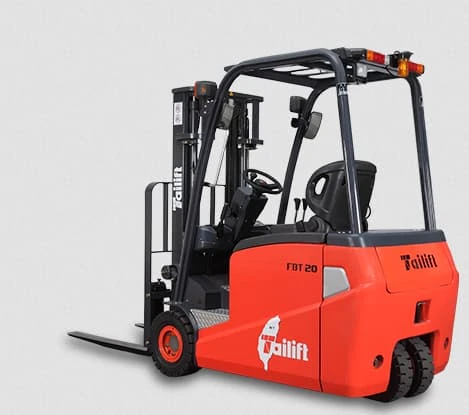

Investing in a forklift is a major decision for any business that handles material movement, storage, or heavy lifting. Whether the focus is a warehouse, distribution center, manufacturing facility, or construction site, choosing the right forklift can improve productivity, safety, and cost efficiency. For organizations searching for forklift for sale St. Louis, understanding key considerations before purchase helps ensure a smarter investment that supports long term success.
This guide highlights the essential factors buyers must know before purchasing a forklift in the St. Louis region. From evaluating operational needs to inspecting equipment condition, knowing what to look for empowers buyers to make informed and confident decisions.
Understand Your Material Handling Requirements
Before shopping for a forklift, it is crucial to assess the specific needs of the operation. This includes workload expectations, workspace layout, and load characteristics.
Determine Load Capacity Needs
Every forklift has a maximum load capacity, which should align with the weights and types of materials handled daily. Underestimating load requirements may lead to equipment strain, safety issues, or unnecessary repairs. Overestimating capacity can lead to overinvestment in more powerful equipment than needed.
Assess Operating Environment
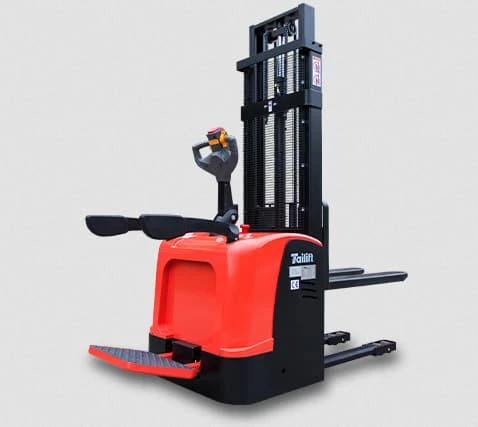
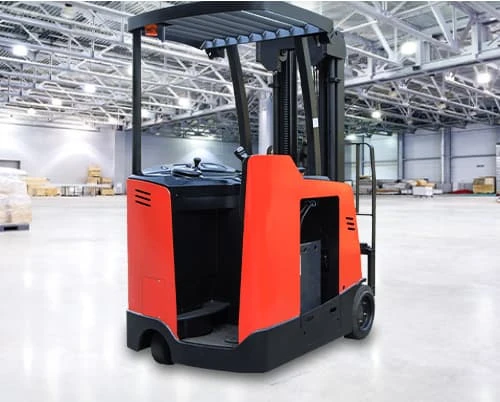
The physical environment influences forklift selection. Warehouse facilities with narrow aisles might require compact forklifts or specialized narrow aisle models. Outdoor areas with uneven surfaces may call for rough terrain equipment with pneumatic tires and robust suspension. Evaluating these environmental factors ensures the selected forklift functions efficiently in its regular setting.
Plan for Future Growth
Long term success means anticipating future needs. If business growth is expected, choosing a forklift with slightly higher capabilities or adaptable features prevents the need for premature replacement. Planning ahead reduces total cost of ownership over the machine’s lifespan.
Choose Between Electric and Internal Combustion Forklifts
One of the first decisions buyers must make involves power type. Electric and internal combustion forklifts each offer unique advantages and considerations.
Advantages of Electric Forklifts
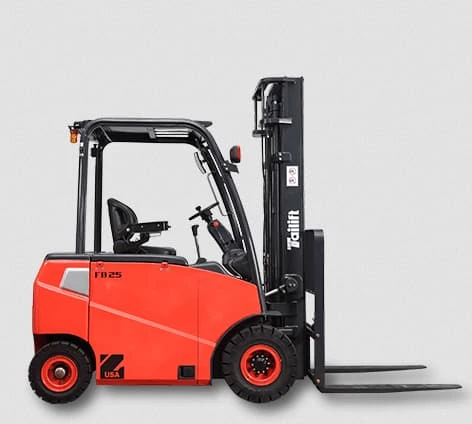
Electric forklifts are ideal for indoor operations because they produce no emissions and operate quietly. They are often preferred in climate controlled warehouse environments where air quality matters. Electric models typically have lower long term energy costs and require fewer engine related maintenance tasks.
Benefits of Internal Combustion Forklifts
Internal combustion forklifts run on gasoline, diesel, or propane. These models provide strong lifting power and perform well in outdoor settings or heavier load applications. While they produce emissions and may require more frequent engine maintenance, they remain a dependable choice for construction sites and tough environments.
Evaluate New Versus Used Forklifts
Budget considerations play a significant role in the decision to purchase new or used forklifts. Both options present distinct benefits.
New Forklift Advantages
New forklifts come with manufacturer warranties, modern safety features, and the latest technology. They generally require less initial maintenance and offer predictable performance early in their lifecycle. For businesses planning heavy usage and long term ownership, new equipment can be a wise investment.
Used Forklift Benefits
Used forklifts typically cost less upfront and provide solid performance when sourced from reputable sellers. Many used units have been professionally inspected or refurbished to ensure reliability. For growing businesses or operations with tight budgets, a quality used forklift can deliver excellent value without compromising functionality.
Inspect Equipment Thoroughly Before Purchase
A careful inspection ensures that the forklift meets expectations and performs reliably from day one.
Check Mechanical and Hydraulic Systems
Buyers should examine all major mechanical components. This includes the engine or motor, hydraulic lift systems, steering responsiveness, brake condition, and electrical wiring. Any signs of leaks, excessive wear, or unusual noises may indicate future repair needs.
Assess Fork and Tire Condition
Forks should be straight, free of cracks, and fit securely. Tires reveal a great deal about wear and workload history. Worn or damaged tires may require replacement soon after purchase, adding unexpected cost.
Review Operating Hours
For used forklifts, the number of operating hours provides insight into remaining service life. Lower hour forklifts often last longer with proper maintenance. Combined with documented service history, this information helps assess real long term value.
Verify Maintenance and Service Support
Owning a forklift involves ongoing maintenance to preserve performance and safety. Before completing a purchase, verify local support and parts availability.
Ask About Service Plans
Professional service plans ensure that routine inspections, preventive maintenance, and repairs occur promptly. Buyers should inquire whether local technicians can provide regular maintenance support and parts delivery.
Confirm Parts Availability
Forklifts require replacement parts such as filters, brake components, hydraulic seals, and tires. Models with readily available parts reduce downtime and simplify long term ownership.
Consider Safety Features and Compliance
Safety remains a top priority for any forklift purchase. Choosing equipment that aligns with safety standards protects operators, inventory, and facility infrastructure.
Evaluate Operator Comfort and Controls
Comfortable seating, intuitive controls, and clear visibility enhance operator performance. Improved ergonomics reduce fatigue during long shifts and help maintain consistent productivity.
Check Safety Add Ons
Modern forklifts may include safety enhancements such as backup alarms, LED lights, stability controls, and operator presence systems. While not always standard on older units, these features improve operational safety and may reduce workplace incidents.
Explore Financing and Budget Options
Purchasing a forklift involves balancing upfront cost with long term value. Buyers should explore financing arrangements that support cash flow and match budget goals.
Leasing and Payment Plans
Leasing offers flexibility, especially for businesses that need to preserve working capital. Some sellers provide payment plans that distribute cost over time and align with budget constraints.
Calculate Total Cost of Ownership
Beyond the purchase price, buyers should consider maintenance costs, energy consumption, parts replacements, and potential resale value. A comprehensive cost analysis ensures the selected forklift remains economical throughout its life.
Conclusion
Choosing the right forklift for sale St. Louis requires careful evaluation of load requirements, work environment, power type, and long term cost factors. Whether considering new or used equipment, thorough inspection and understanding of maintenance support and safety features contribute to confident purchasing decisions. With informed planning and trusted guidance, businesses can secure dependable forklifts that enhance productivity and support future growth. For reliable assistance and quality material handling solutions, buyers can turn to Tailift Material Handling USA Inc.










Sign in to leave a comment.