
Style has a way of circling back, breathing new life into the designs that once defined generations. The fascination with vintage pieces has become more than nostalgia, it’s an appreciation for craftsmanship, individuality, and sustainability. These timeless looks are making their way into every modern clothing store as shoppers crave authenticity over mass production.
NTYCE Clothing Exchange explains, “Vintage clothing reflects design eras that valued durability and detail, and choosing these pieces allows shoppers to build a wardrobe that feels intentional while extending the lifespan of well-made garments.”
Retro Denim Comeback
Denim never truly disappears, it simply changes its shape and spirit. The retro denim comeback celebrates flared jeans, patchwork jackets, and durable materials that outlast trends. Many shoppers have rediscovered denim’s roots through thrift shops and vintage-inspired clothing stores, where quality denim tells its own story. According to the U.S. Bureau of Labor Statistics, denim apparel sales have climbed steadily, especially among younger buyers who value longevity over disposability.
- High-waisted jeans from the 1970s are resurging in everyday wardrobes.
- Patchwork and acid-washed denim echo 1990s creativity.
- Eco-conscious consumers prefer vintage denim due to reduced textile waste.
Timeless 1970s Silhouettes
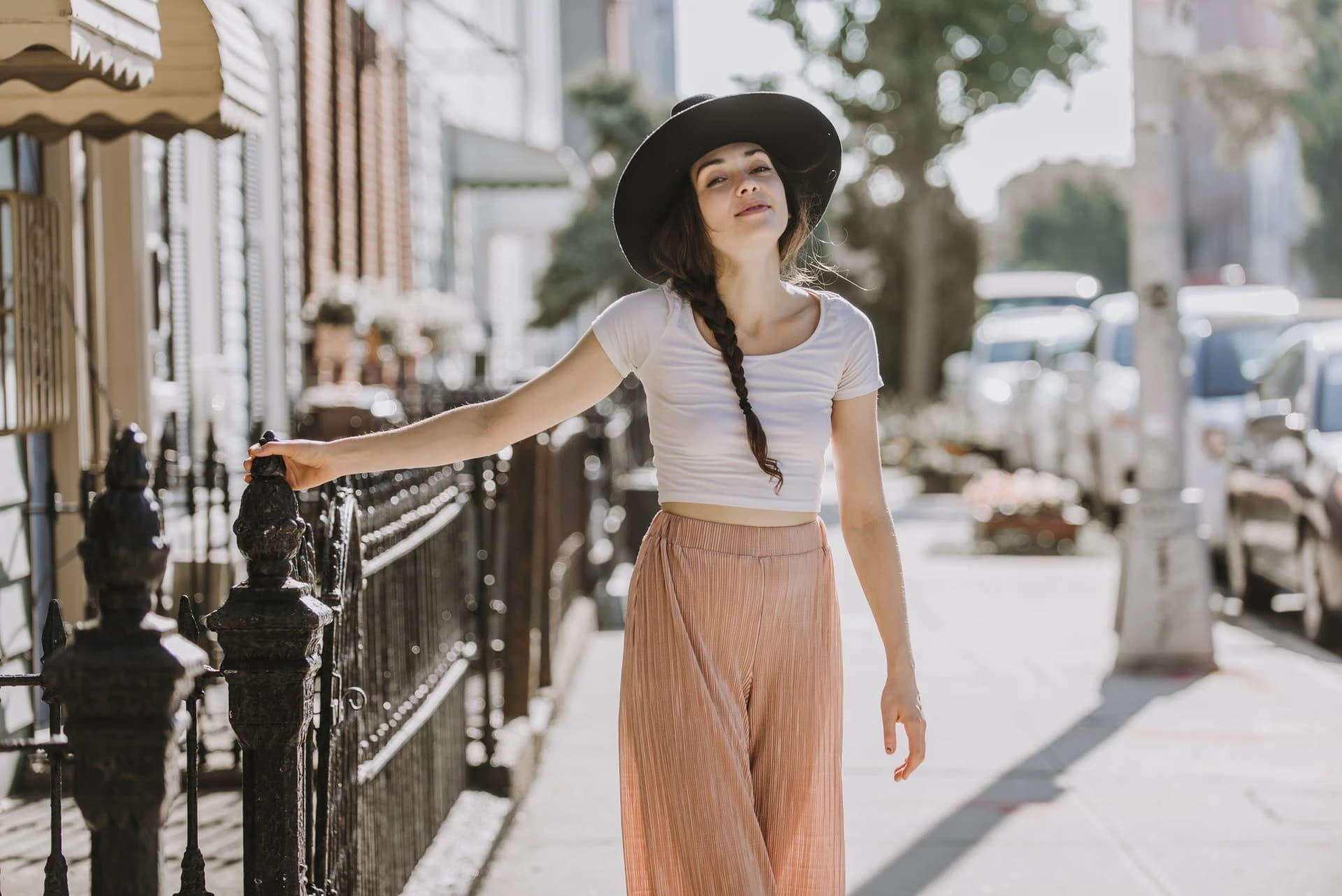
Bohemian dresses, flared trousers, and earthy tones remind fashion lovers why the 1970s remain iconic. These silhouettes favor comfort while emphasizing flow and personality. A clothing store manager might recall styling customers in vintage-inspired wide-leg pants that move beautifully yet feel effortless. Many major fashion houses revisit these looks, incorporating organic fabrics and recycled fibers to meet modern sustainability goals recognized by the Environmental Protection Agency (EPA).
- Flowing maxi dresses pair vintage charm with natural comfort.
- Neutral and rust-toned color palettes dominate upcoming seasons.
- Flared designs complement multiple body types while reducing waste through reuse.
Vintage Leather Revival
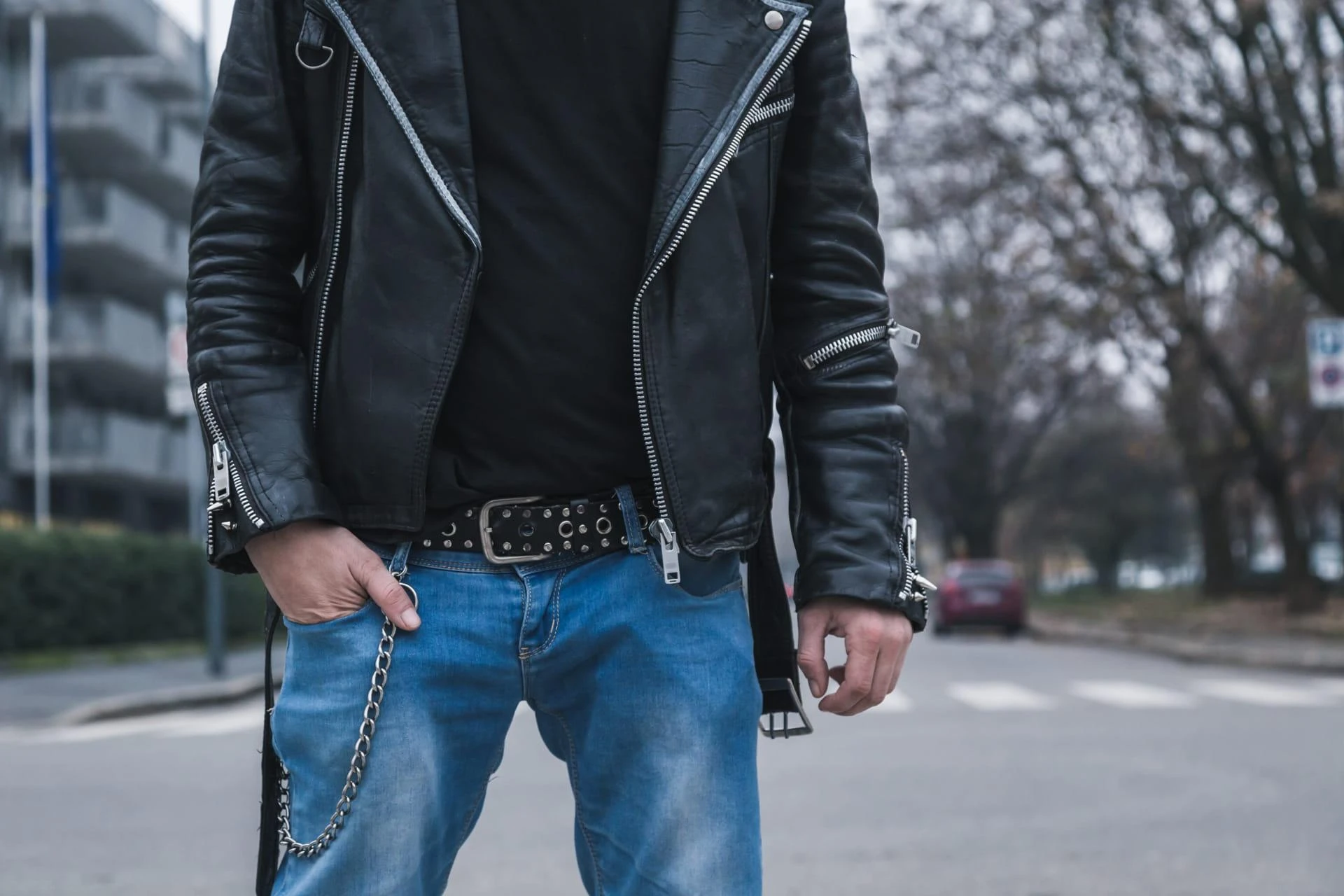
Leather never fades, it matures. The vintage leather revival highlights the unmatched durability of jackets, boots, and skirts that improve with time. Many shoppers at local clothing stores search specifically for genuine leather pieces, drawn to their longevity and natural texture. The USDA reports that leather, when maintained correctly, can last decades, making it one of the most sustainable natural materials in fashion.
- Authentic vintage leather jackets showcase minimal environmental impact compared to synthetic versions.
- Natural patinas tell a story unique to every wearer.
- Proper care, conditioning and limited sunlight exposure, extends lifespan dramatically.
Y2K Accessories Return
The early 2000s are back with a playful twist. Bright colors, chunky jewelry, and metallic handbags dominate the accessory scene. Many shoppers who once wore these trends now rediscover them in vintage collections, giving new energy to a familiar look. According to Statista, accessories sales in U.S. clothing stores rose over 8% in the last year, largely influenced by nostalgia-driven buying habits.
- Butterfly clips, baguette bags, and tinted glasses define the Y2K revival.
- Pop culture references from the early 2000s inspire new collections.
- Mixing bold accessories with minimalist clothing balances the look.
Classic Blazers and Tailoring
Power dressing from the 1980s and 1990s has returned with modern refinement. Structured blazers and oversized shoulders bring a confident edge to both casual and professional outfits. A customer at a vintage clothing store might pick up a double-breasted blazer, appreciating how it instantly sharpens their look. Studies by the National Retail Federation indicate a growing interest in versatile clothing that bridges comfort with sophistication.
- Neutral blazers with bold lining create personality without excess.
- Gender-neutral tailoring expands vintage appeal to broader audiences.
- Thrifted blazers reduce textile waste while maintaining timeless polish.
Statement Prints and Patterns
Bold prints have reemerged as a form of self-expression. From polka dots to paisley, vintage patterns add intrigue to everyday wear. Many designers source inspiration from archived fabric collections, reviving prints that once defined decades. The U.S. Department of Commerce notes that patterned textiles hold a consistent share of the apparel market due to their ability to cycle through trends effortlessly.
- Retro prints like plaid and psychedelic swirls express individuality.
- Mixing vintage patterns with modern cuts creates unique balance.
- Recycled textiles featuring prints reduce environmental impact.
Sustainable Vintage Shopping
Sustainability drives the growing passion for secondhand and vintage shopping. Many shoppers are turning away from fast fashion to seek out high-quality pieces that last. Clothing stores specializing in curated vintage collections have become cultural landmarks, offering eco-conscious options for every budget. According to the Environmental Protection Agency, over 11 million tons of textiles are discarded yearly, vintage shopping helps reduce that waste dramatically.
- Online resale platforms extend the life of timeless garments.
- Vintage stores support circular fashion economies.
- Choosing pre-owned items lowers carbon footprints significantly.
Key Takeaways on Vintage Fashion Trends
Vintage fashion continues to inspire modern wardrobes because it connects personal identity with sustainability and style. Each of these seven trends shows that what once felt old can feel alive again when reinterpreted through fresh eyes. Shoppers increasingly seek out clothing stores that offer meaningful collections rooted in authenticity. As global awareness around sustainability grows, the demand for quality, history, and craftsmanship only deepens.
- Retro denim and 1970s silhouettes remain fashion staples for 2025.
- Leather, prints, and tailored pieces define lasting value in wardrobes.
- Sustainable shopping behaviors strengthen both style and environmental health.
Frequently Asked Questions
What defines a vintage fashion trend?
A fashion trend becomes vintage when it reflects styles from at least 20 years ago that regain popularity. These trends often reemerge due to nostalgia and renewed focus on quality craftsmanship.
How do clothing stores source authentic vintage pieces?
Most clothing stores collaborate with estate sellers, auction houses, and verified resellers. They authenticate items based on stitching, material, and era-specific tags to ensure genuine vintage value.
Why are younger shoppers drawn to vintage clothing?
Many younger buyers value individuality and environmental responsibility. Vintage clothing offers both, combining rare aesthetics with reduced ecological impact compared to fast fashion.
Can vintage pieces be styled with modern outfits?
Absolutely. Vintage garments often serve as statement pieces when mixed with simple, modern silhouettes. The contrast creates balance and personality in everyday wear.
Are sustainable vintage stores becoming more common?
Yes. The rise of thrift platforms and eco-focused boutiques reflects growing consumer interest in sustainability. These clothing stores bridge fashion history with modern values, offering timeless alternatives to disposable fashion.









Sign in to leave a comment.