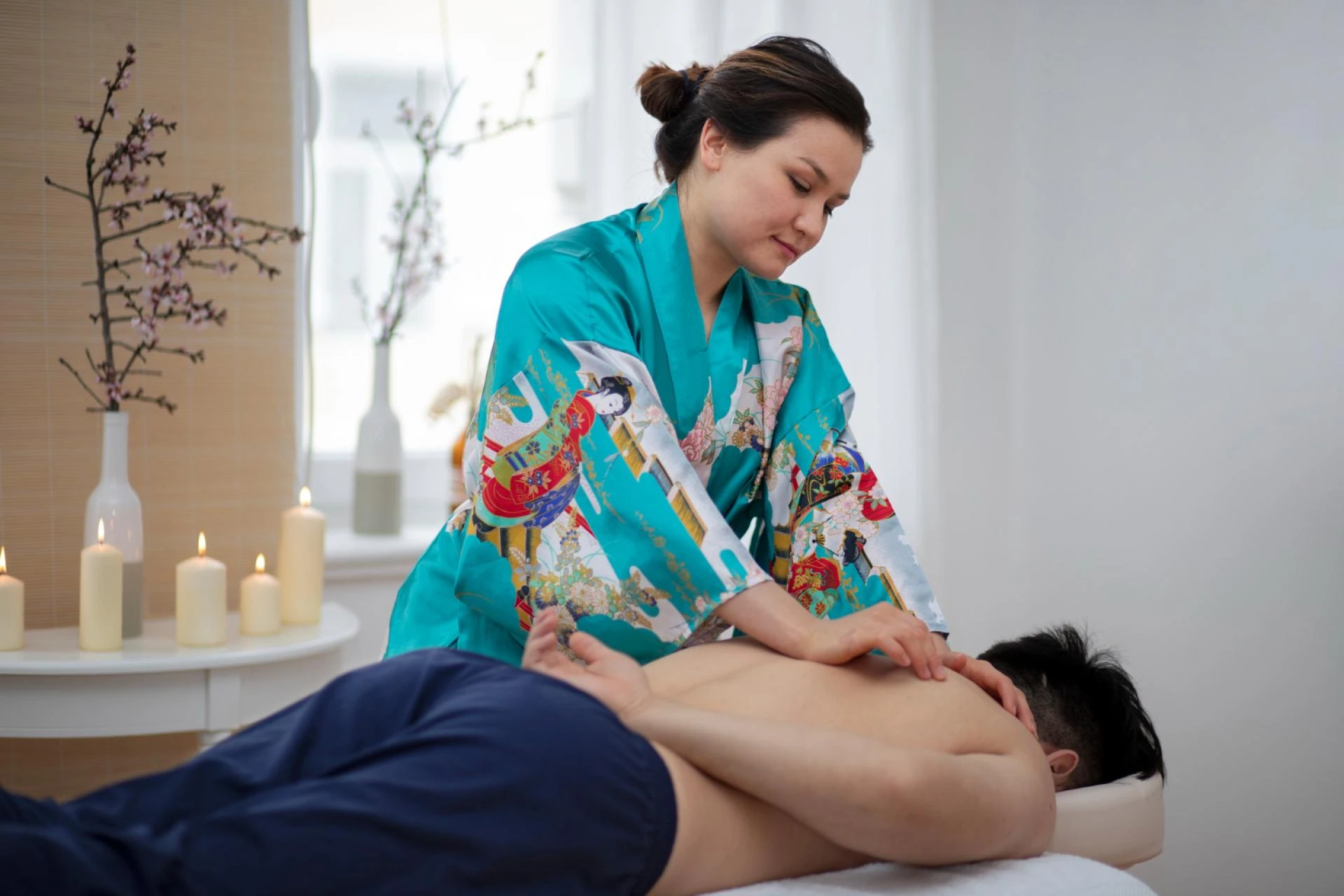

Neck and shoulder tension are common problems today. Many people spend hours sitting at desks or looking at screens, which can cause stiffness, pain, and headaches. If left untreated, it may affect posture and overall health.
One effective solution is traditional Chinese massage in Reading. This ancient practice focuses on relieving muscle tension, improving blood flow, and restoring balance. This blog will explore how it works, its benefits, and tips to get the best results.
Understanding Neck and Shoulder Tension
Neck and shoulder tension occurs when muscles become tight and sore. It can happen gradually or suddenly. Common signs include stiffness, pain, limited movement, and headaches. In some cases, it may lead to chronic discomfort.
Several factors contribute to this tension. Poor posture, long hours of sitting, and repetitive movements are frequent causes. Stress and anxiety can also tighten muscles. Even carrying heavy bags or sleeping in the wrong position may worsen the problem.
Common Causes of Neck and Shoulder Pain
- Poor posture – Slouching or hunching over a computer strains neck and shoulder muscles.
- Stress and anxiety – Emotional stress tightens muscles unconsciously.
- Sedentary lifestyle – Lack of movement causes stiffness and weak muscles.
- Repetitive activities – Typing, driving, or holding a phone in one hand can lead to tension.
- Injuries or accidents – Sports injuries or whiplash can trigger chronic pain.
Understanding the cause is essential to choosing the proper treatment and preventing further issues.
How Traditional Chinese Massage Can Help
Traditional Chinese massage uses techniques that focus on energy flow and muscle relaxation. It targets specific pressure points to release tension, promote blood circulation, and reduce stiffness.
This type of massage works on Traditional Chinese Medicine (TCM) principles. It balances the body's energy, or "Qi," while loosening tight muscles. Unlike ordinary massages, it addresses both physical and energetic imbalances.
Key Features of Traditional Chinese Massage
- Pressure techniques – The therapist applies gentle to firm pressure on specific points.
- Tui Na methods – Includes kneading, rolling, pressing, and stretching muscles.
- Meridian focus – Works along pathways in the body that influence organs and muscles.
- Holistic approach – Combines physical therapy with energy balancing.
- Customisable sessions – Tailored to individual needs, focusing on neck, shoulders, or other areas.
These features make massage effective for tension relief and overall wellness.
How to Fix Neck and Shoulder Tension
Relieving neck and shoulder tension requires consistent care. A massage can help, but combining it with lifestyle changes is best.
- Stretching – Gentle stretches loosen tight muscles.
- Posture correction – Sit and stand straight, avoiding slouching.
- Ergonomic setup – Adjust chairs, desks, and screens for comfort.
- Stress management – Meditation, deep breathing, or yoga helps reduce tension.
- Regular massage – Frequent sessions maintain muscle flexibility.
Consistency is key. One session may not be enough for chronic tension.
How It Works
During a massage session, the therapist assesses your tension areas. Then, they use a combination of hand techniques to apply pressure and manipulate muscles.
The process stimulates blood flow, improves oxygen supply, and reduces pain. Muscles release accumulated toxins while energy channels restore balance. The therapist may also focus on acupoints to relieve headaches, shoulder stiffness, or neck pain.
The Process in Detail
- Consultation – The therapist asks about your pain, lifestyle, and medical history.
- Warm-up – Light massage prepares muscles for deeper work.
- Tui Na techniques – Kneading, rolling, pressing, and stretching target tight areas.
- Acupressure – Specific points along meridians release blockages.
- Stretching – Gentle joint stretches enhance mobility.
- Relaxation – The session ends with soothing strokes to calm muscles and mind.
Each session lasts 45–90 minutes, depending on your needs.
Key Aspects to Know
- Sessions should be tailored to your pain level.
- Communicate discomfort during the massage.
- Avoid heavy meals before a session.
- Drink water afterwards to flush out toxins.
- Consistency improves long-term results.
Traditional Chinese massage works best with proper posture, regular stretching, and stress management.
Questions to Ask the Professional
- What techniques do you use for neck and shoulder tension?
- How long will each session last?
- How many sessions are recommended?
- Are there any risks for my medical conditions?
- Can you advise on exercises to maintain relief at home?
Asking these questions ensures you receive safe and effective care.
How to Choose the Best Traditional Chinese Massage in Reading
- Check qualifications – Ensure the therapist is certified in TCM and massage therapy.
- Read reviews – Look for positive feedback about neck and shoulder tension relief.
- Visit the clinic – Observe hygiene, environment, and professionalism.
- Ask about techniques – Confirm they use Tui Na, acupressure, and other relevant methods.
- Discuss your needs – A good therapist tailors the session for you.
Choosing the right professional ensures safety and maximum benefit from traditional Chinese massage in Reading.
Benefits of Traditional Chinese Massage
- Pain relief – Reduces neck stiffness and shoulder soreness.
- Improved circulation – Enhances oxygen and nutrient delivery to muscles.
- Stress reduction – Promotes relaxation and calmness.
- Better posture – Loosens tight muscles that pull the body forward.
- Enhanced mobility – Increases flexibility in the neck and shoulders.
- Energy balance – Restores Qi for overall wellness.
Regular sessions provide long-term relief and prevent recurring tension.
Conclusion
Neck and shoulder tension affects millions worldwide. Poor posture, stress, and sedentary lifestyles worsen the problem. Massage is a proven method to relieve pain, improve circulation, and restore energy balance. If you want effective care, consider a traditional Chinese massage in Reading. A skilled therapist can guide you through a personalised neck and shoulder tension session. Regular sessions provide relaxation, improved mobility, and long-term wellness.













Sign in to leave a comment.