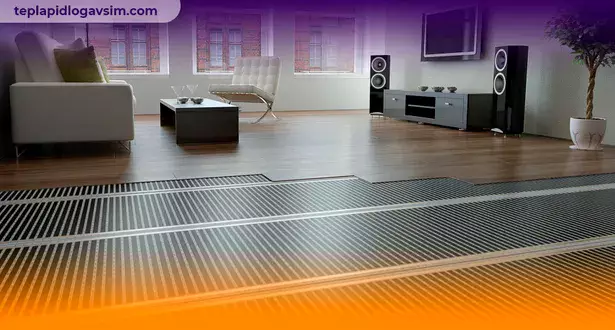

Creating a warm, comfortable, and stylish living space is no longer just about furniture and lighting. In today's world of modern design and technology, homeowners are increasingly choosing innovations that bring both comfort and energy efficiency. One such trending upgrade is heated flooring. Imagine stepping out of bed on a chilly morning and feeling warm tiles beneath your feet instead of the cold, hard floor. This once-luxury amenity is now more affordable and accessible than ever, making it a must-have for contemporary homes.
In this comprehensive guide, we'll explore the many benefits of heated floors, what makes them such a desirable addition to any space, and why now might be the perfect time to buy heated flooring.
What is Heated Flooring?
Heated flooring, also known as radiant floor heating, is a technology that warms your floors through either electric cables or hot water tubes installed beneath the floor surface. The heat then radiates upwards, evenly warming the room from the ground up. Unlike traditional forced-air systems, radiant heat doesn’t rely on air circulation, resulting in consistent warmth with no cold spots.
There are two main types of heated floors:
- Electric systems – Use electric heating cables, ideal for smaller spaces like bathrooms and kitchens.
- Hydronic systems – Use water heated by a boiler that circulates through tubing under the floor, better for larger areas or whole-home heating.
Benefits of Heated Flooring
1. Unmatched Comfort
One of the top reasons people choose to buy heated flooring is the luxurious comfort it provides. Cold tiles in winter are a thing of the past. Whether you're in the kitchen, bathroom, or living room, your feet are met with a gentle warmth that transforms your home into a cozy haven.
2. Energy Efficiency
Heated flooring systems are incredibly efficient. Since the heat rises from the ground up, it’s distributed evenly and doesn’t escape as quickly as forced-air systems. Homeowners often find that they can set their thermostats lower while maintaining the same comfort level—resulting in reduced energy bills.
3. Silent Operation
Unlike traditional HVAC systems that can rattle and hum, radiant floor heating is completely silent. There’s no air blowing, no fans spinning—just a warm, quiet ambiance that enhances your space.
4. Improved Air Quality
Since radiant heat doesn’t rely on air circulation, it doesn’t kick up dust, allergens, or pet dander. This makes it an excellent choice for people with allergies or asthma, contributing to healthier indoor air.
5. Space-Saving and Aesthetic Appeal
Without bulky radiators or wall units, radiant heating is invisible and doesn’t interfere with your interior design. It gives you full freedom to arrange furniture and decorate as you like, without working around vents or heaters.
Where Can You Install Heated Flooring?
Many people assume that heated flooring is only suitable for bathrooms, but in reality, it can be installed virtually anywhere in your home:
- Bathrooms – Most popular due to tile flooring.
- Kitchens – Enjoy warm feet while cooking or cleaning.
- Basements – Combat naturally cold underground spaces.
- Living rooms – Add comfort and efficiency to shared areas.
- Bedrooms – Wake up to cozy mornings.
With advanced technology, even hardwood and laminate floors can be safely heated using radiant systems, opening the door to customized comfort throughout your home.
How to Choose the Right Heated Floor System
When deciding to buy heated flooring, several factors will guide your decision:
- Room Size – Electric systems are ideal for small rooms, while hydronic is better for larger areas.
- Floor Type – Some systems are designed specifically for tile, while others work better with wood or vinyl.
- Installation Cost – Electric systems are usually cheaper and easier to install but may have higher running costs than hydronic systems.
- Usage Frequency – For occasional use, electric is fine. For primary heating, hydronic is more cost-effective long term.
Consulting with a professional installer can help determine the best system for your space and budget.
DIY vs. Professional Installation
Some radiant floor heating kits are DIY-friendly, especially electric mats for small rooms like bathrooms. However, hydronic systems generally require professional installation due to the complexity of boilers and water lines.
If you're renovating or building a new home, integrating heated floors during construction is more cost-effective and convenient. Retrofitting is possible too but might require raising floor heights or removing existing flooring.
Cost Considerations
While the initial cost of heated flooring may be higher than traditional systems, the long-term savings on energy bills and the added property value often make up for it. On average, electric systems cost between $5–$10 per square foot (materials only), and hydronic systems can cost $6–$15 per square foot.
Factor in the comfort, health benefits, and efficiency, and it becomes clear why so many homeowners choose to buy heated flooring today.
Final Thoughts: The Smart Choice for Modern Homes
Upgrading to heated flooring isn’t just a trend—it’s an investment in comfort, efficiency, and style. Whether you're building your dream home or renovating your current space, radiant floor heating offers unparalleled advantages. From the cozy warmth to cleaner air and energy savings, it checks all the boxes for the modern homeowner.
If you’re ready to elevate your home experience, now is the time to buy heated flooring. Step into luxury every day—starting from the ground up.













Sign in to leave a comment.