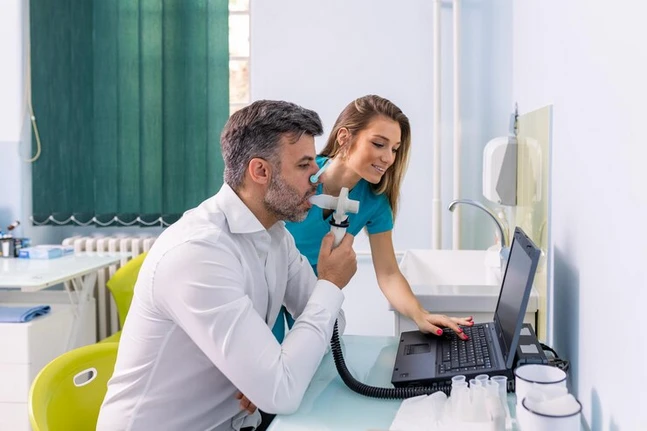

The healthcare industry is undergoing a transformative shift, driven by advancements in technology and the growing demand for more efficient, accessible, and personalized patient care. As healthcare organizations navigate this evolving landscape, innovative IT solutions have emerged as a critical component in driving positive change and improving patient outcomes. In this article, we will explore the ways in which innovative IT solutions are revolutionizing the healthcare industry and transforming the way patient care is delivered.
The Evolving Healthcare Landscape
The healthcare industry has faced numerous challenges in recent years, from the rise of chronic diseases and an aging population to the COVID-19 pandemic, which has significantly impacted the delivery of care. These challenges have prompted healthcare organizations to seek new and innovative ways to enhance their operations, streamline workflows, and provide better patient experiences.
At the heart of this transformation lies the integration of advanced IT Solutions for healthcare. From electronic health records (EHRs) and telehealth to artificial intelligence (AI) and machine learning (ML), these technologies are reshaping the healthcare industry and enabling healthcare providers to deliver more personalized, efficient, and effective care.
Driving Digital Transformation in Healthcare
Electronic Health Records (EHRs): EHRs have become the backbone of modern healthcare, providing a comprehensive digital repository for patient data. These systems not only facilitate efficient record-keeping but also support clinical decision-making, care coordination, and population health management. By consolidating patient information into a centralized, secure platform, EHRs can improve data accessibility, reduce medical errors, and enhance the overall quality of care.
Telehealth and Remote Patient Monitoring: The COVID-19 pandemic has accelerated the adoption of telehealth and remote patient monitoring solutions. These technologies enable healthcare providers to deliver care remotely, reducing the need for in-person visits and improving access to healthcare services, particularly in underserved or rural areas. Remote patient monitoring, leveraging devices such as wearables and IoT-enabled medical devices, can also provide healthcare providers with real-time data, allowing for proactive intervention and better management of chronic conditions.
Artificial Intelligence (AI) and Machine Learning (ML): AI and ML are transforming the healthcare industry by enabling predictive analytics, computer-assisted diagnosis, and personalized treatment recommendations. These advanced technologies can help healthcare organizations optimize resource allocation, streamline workflows, and improve patient outcomes. For example, AI-powered image analysis tools can assist radiologists in detecting and diagnosing medical conditions more accurately, while ML algorithms can predict the risk of disease progression and guide personalized treatment plans.
Cybersecurity and Data Privacy: As healthcare organizations handle sensitive patient information, robust cybersecurity measures and data privacy protocols are essential. IT solutions such as encryption, access controls, and incident response plans can help protect against data breaches and ensure compliance with regulatory requirements, building trust and confidence among patients and healthcare providers.
Cloud Computing and Interoperability: Cloud-based technologies have become increasingly prevalent in the healthcare industry, offering scalable, cost-effective, and collaborative platforms for data storage, sharing, and analysis. Interoperability between different healthcare systems and platforms is also crucial to facilitate seamless information exchange and enhance patient care coordination, ultimately improving the overall quality of care.
Patient Engagement and Experience: IT solutions can significantly enhance the patient experience by providing seamless access to healthcare services, facilitating secure communication with providers, and enabling self-management tools. Improved patient engagement can lead to better health outcomes, increased treatment adherence, and higher patient satisfaction.
Transformative IT Solutions in Action
To illustrate the impact of innovative IT solutions in the healthcare industry, let's consider a few real-world examples:
Predictive Analytics and AI-Driven Diagnostics: A leading healthcare network leveraged AI and machine learning algorithms to develop a predictive analytics platform that could accurately identify patients at risk of developing certain chronic conditions. This enabled the organization to implement proactive and personalized interventions, leading to improved health outcomes and reduced healthcare costs.
Integrated Data Platform and Population Health Management: A regional healthcare system integrated its disparate data sources into a centralized, cloud-based platform. This allowed the organization to gain a comprehensive view of its patient population, identify high-risk individuals, and implement targeted disease management programs, resulting in better coordination of care and improved population health outcomes.
Telehealth and Remote Monitoring for Chronic Disease Management: A healthcare provider implemented a comprehensive telehealth platform that enabled remote consultations, chronic disease management, and remote patient monitoring. This solution improved access to care, particularly for patients in rural or underserved areas, and helped to manage chronic conditions more effectively, leading to better health outcomes and reduced healthcare costs.
The Future of Healthcare: Personalized and Proactive Care
As the healthcare industry continues to evolve, the integration of innovative IT solutions will play a crucial role in shaping the future of patient care. By leveraging data-driven insights, advanced analytics, and emerging technologies, healthcare organizations can move towards a more personalized and proactive approach to patient care.
Personalized Medicine: IT solutions, such as genomic analysis and predictive analytics, can enable the delivery of personalized medicine. By leveraging data-driven insights, healthcare providers can tailor treatments, prevention strategies, and patient engagement approaches to individual needs, leading to improved outcomes and reduced healthcare costs.
Preventive and Holistic Care: Through the integration of remote monitoring devices, wearables, and AI-powered decision support systems, healthcare providers can adopt a more proactive and holistic approach to patient care. By continuously monitoring patient data and identifying early warning signs of health issues, healthcare organizations can intervene early and implement preventive measures, ultimately reducing the burden on the healthcare system and improving patient outcomes.
Collaborative and Coordinated Care: Innovative IT solutions that promote interoperability and data sharing can facilitate seamless collaboration between healthcare providers, specialists, and community-based services. This integrated approach can ensure that patients receive comprehensive, coordinated care, reducing the risk of fragmented care and improving overall healthcare quality.
Conclusion
The healthcare industry is undergoing a transformative shift, driven by the integration of innovative IT solutions that are revolutionizing the way patient care is delivered. From electronic health records and telehealth to AI-powered predictive analytics and remote patient monitoring, these technologies are enhancing efficiency, improving patient experiences, and delivering better health outcomes.
As the industry continues to evolve, the strategic implementation of these innovative IT solutions will be crucial in shaping the future of healthcare. By embracing digital transformation, healthcare organizations can provide more personalized, proactive, and collaborative care, ultimately improving the overall well-being of patients and the communities they serve.










Sign in to leave a comment.