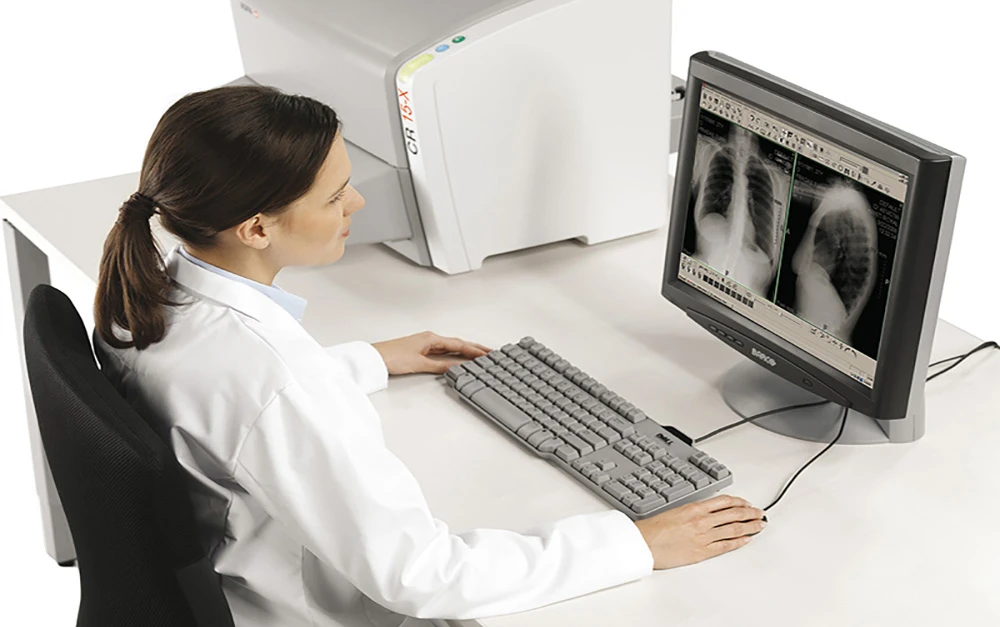

Radiology leads the way in medical innovation. One of the most significant breakthroughs in recent years has been the transition of portable X-ray systems. These portable powerhouses have transformed how healthcare practitioners diagnose and treat patients by providing high-quality imaging right to the bedside.
Patients must no longer be transferred to a designated radiology department for each X-ray session. Today's mobile X-ray machines are small, efficient, and capable of delivering diagnostic-quality images in almost any environment. This change has increased patient comfort while streamlining workflow in hospitals and imaging centers. Here is what you should know about technologies transforming radiology.
The Power of Portability
One of the primary benefits of mobile X-ray systems is their portability. These units may be readily moved through hospital corridors, elevators, and even to isolated regions. This mobility is particularly crucial in emergency situations, intensive care units, and patients with limited mobility.
Assume a critically ill patient in the ICU requires an urgent chest X-ray. Instead of endangering the patient's health by transferring them, a mobile X-ray unit can be transported to the bedside. This not only saves time but also lowers the chance of complications while moving the patient.
High-Quality Imaging on the Go
Advancements in digital technology have substantially enhanced the image quality of movable X-ray machines. Many advanced units now use flat-panel detectors, which produce high-resolution images similar to those produced by older fixed X-ray machines. These detectors also enable faster picture gathering and processing, allowing healthcare providers to make more timely and accurate diagnoses.
Furthermore, the use of Artificial Intelligence (AI) and Machine Learning algorithms has improved the capabilities of mobile X-ray equipment. These tools can aid with image processing, identifying probable problems, and prioritising instances that need rapid care.
Reducing Exposure to Radiation
Radiation exposure has long been a major concern in radiology. Fortunately, mobile X-ray systems have made significant progress toward addressing this issue. Many units now contain advanced dose-lowering technologies that reduce radiation exposure while maintaining image quality.
Some systems also include real-time dose monitoring. It allows radiographers to alter settings to maintain ideal image quality while keeping radiation doses low.
Improving Patient Care
The influence of portable X-ray devices goes beyond imaging. These devices have the potential to enhance workflow in healthcare environments significantly. Wireless connectivity allows images to be delivered promptly to hospital information systems.
This seamless connectivity enables immediate consultation with specialists, regardless of their physical location. Furthermore, the increased efficiency of mobile X-ray devices might result in speedier diagnoses and treatment decisions. The faster response time can save lives in crowded emergency rooms.
Conclusion – A Bright Future for Diagnostic Imaging
The transformation of radiology through advanced mobile X-ray devices marks a significant advancement in diagnostic imaging. By delivering high-quality imaging capabilities straight to patients, these technologies improve care and open up new possibilities in medical diagnostics.
As technology advances, transportable X-ray equipment will play a larger part in healthcare. From emergency rooms to rural clinics, these portable imaging devices will remain at the forefront of medical imaging.














Sign in to leave a comment.