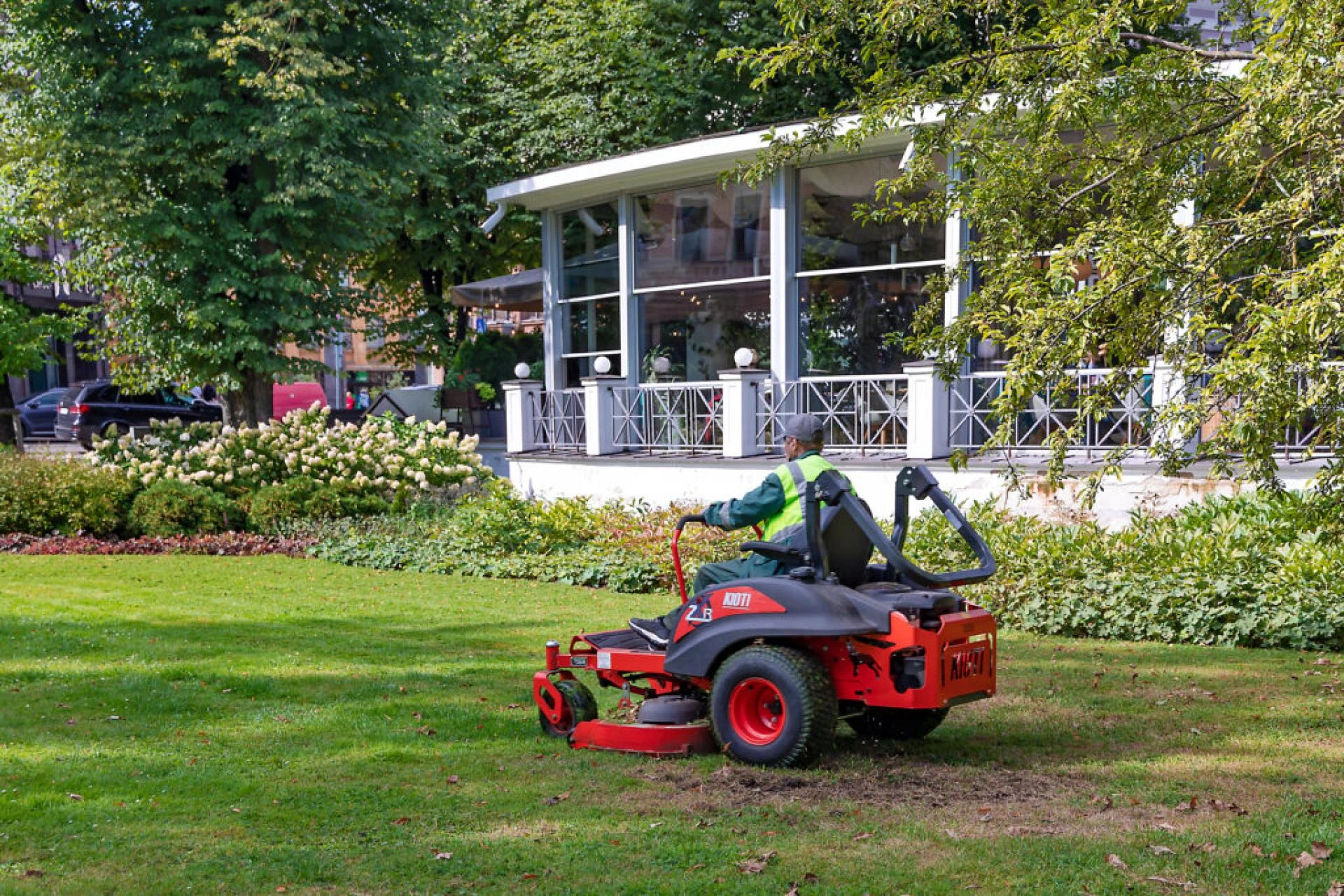

Landscaping architecture is more than just planting trees and shrubs in a garden. It’s a sophisticated design discipline that combines art, science, and environmental stewardship to create spaces that are both functional and aesthetically pleasing. From urban parks to private backyards, landscaping architecture plays a pivotal role in shaping our interactions with the environment. This article delves into the art of landscaping architecture, exploring its significance, key elements, and the benefits it brings to the spaces we live in. 🌸
The Importance of Landscaping Architecture 🌍
Landscaping architecture is not just about beautifying outdoor spaces; it also has a profound impact on the environment, sustainability, and the way people experience and interact with nature. As cities become more urbanized and green spaces become scarce, landscaping architects are tasked with transforming unused land into vibrant, sustainable environments. 🌱
Environmental Benefits 🌿
A well-designed landscape can improve air quality, reduce urban heat islands, and enhance biodiversity. Landscaping architecture helps incorporate native plants and water-efficient designs that reduce the need for artificial irrigation. For example, rain gardens, green roofs, and permeable pavements are all elements that contribute to sustainable practices, helping manage stormwater runoff and conserving water resources. 🌧️
Enhancing Quality of Life 🌞
Landscaping architecture has the ability to enhance the quality of life for individuals and communities. Well-planned outdoor spaces can improve mental health, promote physical activity, and provide spaces for social interaction. Parks, gardens, and recreational areas encourage outdoor activities, helping people connect with nature and with each other. 🧘♀️
Aesthetic Appeal 🎨
The visual appeal of a well-landscaped space is undeniable. Landscaping architects utilize colors, textures, and layouts to create harmony between nature and built structures. The careful selection of plants, trees, and decorative elements can transform an ordinary space into something extraordinary. 🌷
Key Elements of Landscaping Architecture 🌿🪴
Landscaping architecture is a multidisciplinary field, and its success depends on integrating various design elements. Whether working on a public park or a private estate, landscaping architects must consider several factors to create functional and aesthetically pleasing environments.
1. Plant Selection 🌳
Plants are the cornerstone of any landscape design. The choice of trees, shrubs, flowers, and grasses is critical in achieving the desired look and feel of a space. Landscaping architects often select native plants that are well-suited to the local climate and soil conditions, ensuring the landscape remains healthy and sustainable. 🌻
2. Hardscaping 🧱
Hardscaping refers to the non-plant elements of landscape design, such as pathways, patios, walls, and water features. These elements provide structure and functionality to outdoor spaces. Hardscaping can also help define spaces, create focal points, and offer seating or gathering areas. Examples include decorative stone paths, wooden decks, and water fountains. 💧
3. Sustainable Design Practices 🌏
Sustainability is a core principle of modern landscaping architecture. Designers often incorporate energy-efficient systems, such as solar-powered lights, and choose materials that are durable and eco-friendly. Sustainable landscaping not only conserves resources but also reduces maintenance costs in the long run. 🌞
4. Lighting and Ambiance 💡
Lighting plays a crucial role in landscaping design. Proper lighting can highlight key features, enhance the atmosphere, and increase safety in outdoor spaces. Landscaping architects often use a combination of ambient, task, and accent lighting to create the perfect outdoor environment. ✨
The Process of Landscaping Architecture 🛠️
Creating a successful landscape design involves several stages, from initial consultation to the final touches. Landscaping architects work closely with their clients to ensure their vision is realized while adhering to environmental and budgetary constraints. Below are the key stages in the process:
1. Initial Consultation and Site Analysis 🧐
The first step in any landscaping project is an in-depth consultation with the client. During this phase, the landscaping architect assesses the site, considering factors like soil quality, climate, drainage, and topography. Understanding the space’s potential and limitations helps guide the design process. 🌍
2. Conceptual Design 🖊️
Once the analysis is complete, the architect will create a conceptual design. This is where the vision starts to take shape. The design will include preliminary layouts, plant suggestions, and a general overview of the materials and features to be used. It is essential that the client’s preferences are considered during this phase to ensure their goals are met. 🌷
3. Detailed Design and Planning 📐
After the client approves the conceptual design, the landscaping architect moves on to creating a detailed design. This includes specific plant species, dimensions, and material choices. Detailed planning also covers drainage systems, irrigation, lighting placement, and any hardscaping features. 🔧
4. Implementation and Installation 🚧
Once the design is finalized, it’s time for installation. This stage involves sourcing plants, materials, and construction services to bring the design to life. The landscaping architect supervises the installation process, ensuring that everything aligns with the planned design. 🛠️
5. Maintenance and Evaluation 🌱
After the landscape has been completed, ongoing maintenance is crucial for ensuring its longevity and vibrancy. Landscaping architects may provide maintenance plans, which include advice on watering, pruning, and seasonal care. They may also perform evaluations to ensure the space continues to function as intended. 🌻
Conclusion: The Impact of Landscaping Architecture 🌟
Landscaping architecture is a transformative art form that reshapes spaces, improves the environment, and enhances our quality of life. By combining creativity with sustainability, landscaping architects play a crucial role in designing outdoor spaces that are beautiful, functional, and eco-friendly. Whether you are designing a private garden, a public park, or an urban plaza, the principles of landscaping architecture can help you create spaces that inspire, comfort, and connect people to nature. 🌳💚
In a world where green spaces are increasingly important for our well-being and the environment, landscaping architecture stands as a testament to the profound impact that thoughtfully designed outdoor spaces can have on our lives.












Sign in to leave a comment.