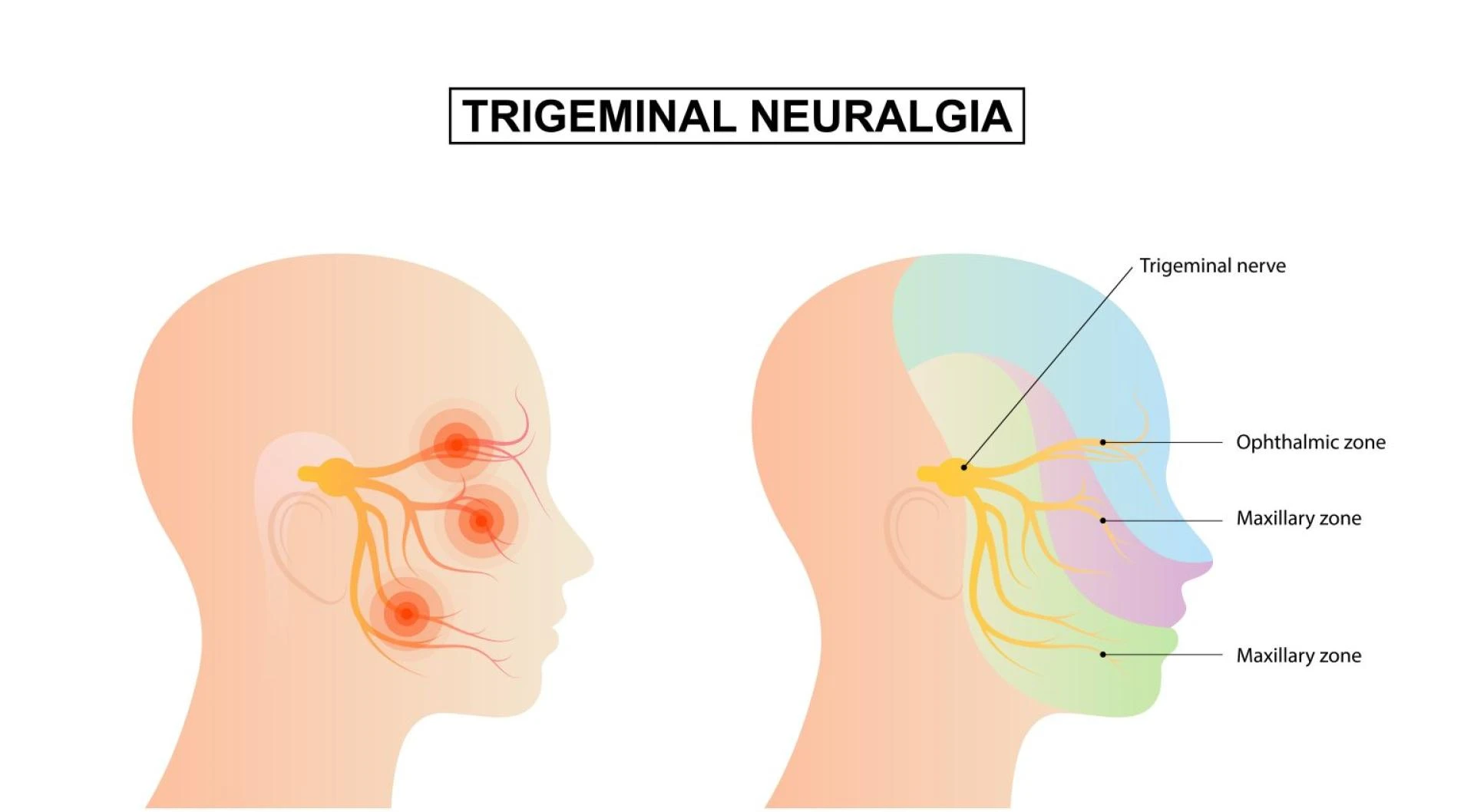

Trigeminal Neuralgia, often referred to as the "suicide disease" due to the excruciating pain it inflicts, is a neurological disorder characterized by sudden, severe facial pain. This chronic condition affects the trigeminal nerve, which is responsible for transmitting sensations from the face to the brain. Even simple activities such as brushing teeth, eating, or talking can trigger intense bursts of pain, making everyday tasks unbearable for those afflicted.
Symptoms of Trigeminal Neuralgia
The primary symptom of Trigeminal Neuralgia is sudden, stabbing pain in the face, typically on one side. These episodes of pain, often described as electric shocks or shooting sensations, can be triggered by even the slightest touch or movement of the face. The pain is typically brief but intense, lasting from a few seconds to several minutes, and can occur in clusters throughout the day.
Causes of Trigeminal Neuralgia
The exact cause of Trigeminal Neuralgia is often unknown, but it is believed to result from compression or irritation of the trigeminal nerve. Conditions such as blood vessel compression, multiple sclerosis, or nerve damage are common contributors to the development of Trigeminal Neuralgia. In some cases, no specific cause can be identified.
Diagnosis and Treatment
Diagnosing Trigeminal Neuralgia involves a thorough medical history, neurological examination, and sometimes imaging tests such as MRI to rule out other potential causes of facial pain. Treatment options for Trigeminal Neuralgia aim to relieve pain and may include medications such as anticonvulsants or muscle relaxants to help manage symptoms. In cases where medication is ineffective or causes intolerable side effects, surgical procedures such as microvascular decompression or gamma knife radiosurgery may be recommended to relieve pressure on the trigeminal nerve.
Living with Trigeminal Neuralgia
Living with Trigeminal Neuralgia can be challenging, both physically and emotionally. The unpredictable nature of the pain can significantly impact a person's quality of life, leading to feelings of isolation, frustration, and despair. It is essential for individuals with Trigeminal Neuralgia to seek support from healthcare professionals, family, and friends, as well as to explore coping strategies and treatment options that can help manage symptoms and improve overall well-being.
Conclusion
Trigeminal Neuralgia is a complex and debilitating condition that requires comprehensive management and support. By raising awareness, promoting early diagnosis, and advancing research into more effective treatments, we can continue to improve the lives of those living with Trigeminal Neuralgia and work towards a future without the pain and suffering it brings. If you or someone you know is experiencing symptoms of Trigeminal Neuralgia, don't hesitate to seek medical attention and explore treatment options. With the right support and care, relief from Trigeminal Neuralgia is possible.











Sign in to leave a comment.