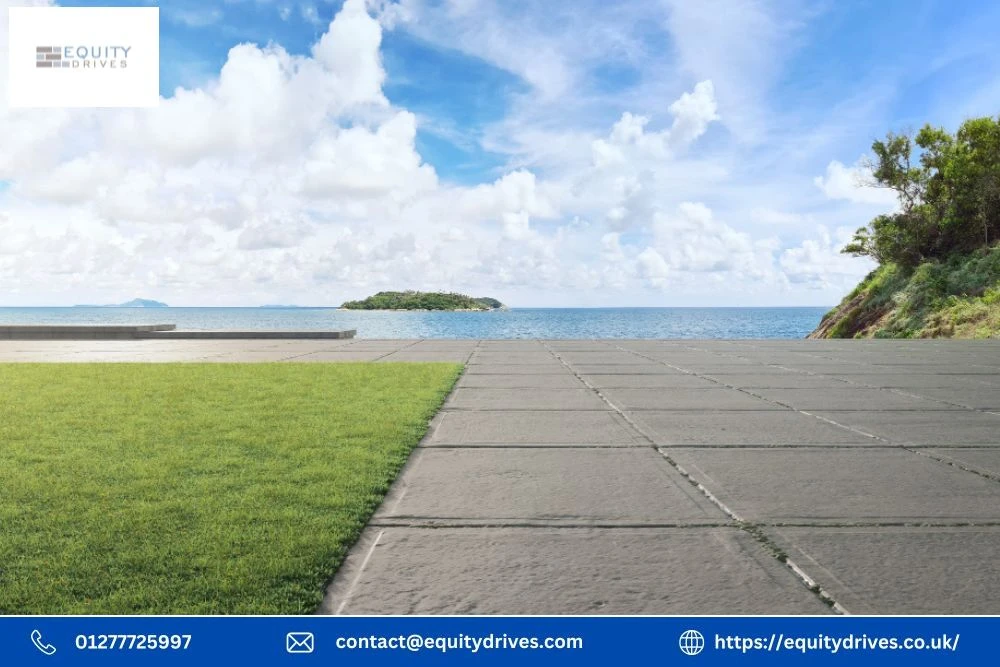

Block paving is a popular and versatile choice for homeowners and businesses alike, providing a durable, attractive, and functional surface for driveways, patios, walkways, and more. With numerous styles, colors, and materials to choose from, selecting the right block paving option can be overwhelming. This guide will walk you through the different types of block paving available, helping you make an informed decision that fits your needs and budget.
What is Block Paving?
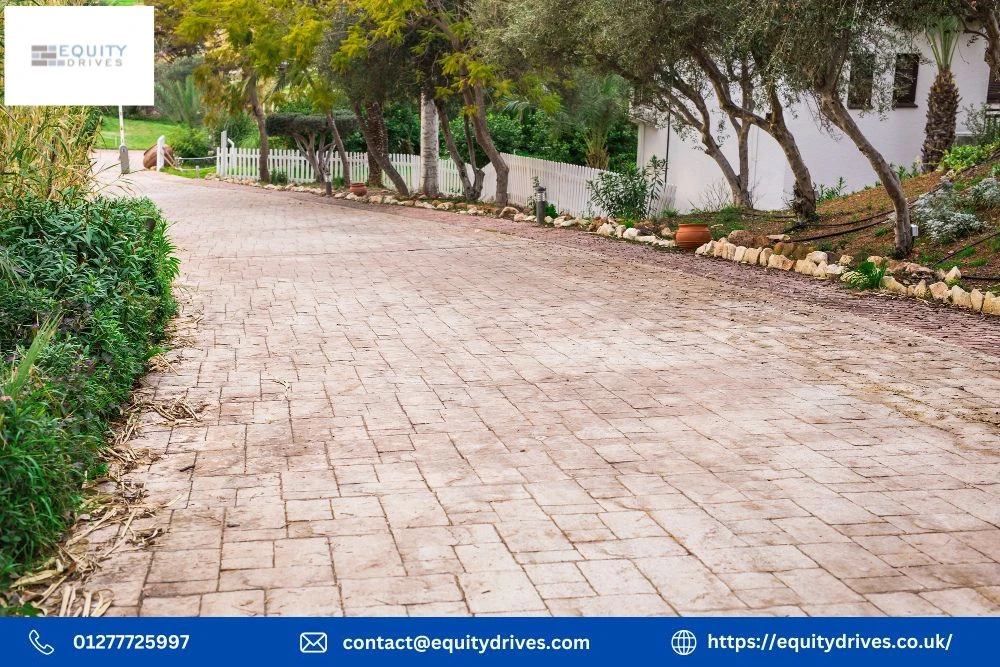
Block paving, also known as brick paving or interlocking paving, refers to the use of individual blocks or bricks to create a hard surface. Typically made from concrete, clay, or natural stone, block paving is a highly durable, low-maintenance option that can be used in various applications. The interlocking nature of the blocks ensures that they are securely held in place, providing a stable surface that can withstand high traffic and weather conditions.
Block paving is favored for its aesthetic appeal, flexibility, and ease of installation, making it an excellent choice for residential and commercial properties.
Key Benefits of Block Paving
Before diving into the types of block paving, it's essential to understand why block paving is a popular choice among homeowners and businesses:
- Durability: Block paving is designed to last for many years, withstanding heavy traffic, weather extremes, and regular wear and tear.
- Low Maintenance: Cleaning block paving is simple, and individual blocks can be replaced if damaged.
- Versatility: Block paving is available in various shapes, sizes, colors, and materials, allowing you to customize the design.
- Improved Drainage: The joints between blocks allow for efficient water drainage, reducing the risk of puddles or flooding.
- Sustainability: Many block paving options are made from eco-friendly materials, offering a sustainable choice for environmentally conscious consumers.
Now, let's explore the different types of block paving in detail.
Concrete Block Paving
Concrete block paving is one of the most common and affordable options for both residential and commercial projects. Available in a wide range of colors, textures, and sizes, concrete block paving can be customized to suit your specific design preferences.
Advantages:
- Cost-Effective: Concrete is one of the most affordable materials, making it an ideal choice for budget-conscious projects.
- Versatility: Concrete blocks come in various shapes and sizes, allowing for a variety of patterns and designs.
- Durability: Concrete block paving is highly durable and can withstand heavy traffic and harsh weather conditions.
Disadvantages:
- Color Fading: Over time, the color of concrete blocks may fade due to exposure to UV rays and weather conditions.
- Porosity: Concrete blocks may absorb water, leading to the potential for moss or algae growth if not properly maintained.
Clay Block Paving
Clay block paving is a premium option that adds a touch of elegance and timeless beauty to any outdoor space. Made from fired clay, these blocks are known for their rich color, texture, and natural appearance.
Advantages:
- Aesthetic Appeal: Clay blocks provide a classic, high-end look that enhances the curb appeal of your property.
- Color Retention: Unlike concrete, clay blocks maintain their color over time, even with exposure to sunlight and weather.
- Strength: Clay blocks are incredibly strong and resistant to cracking or breaking.
Disadvantages:
- Higher Cost: Clay block paving tends to be more expensive than concrete, making it a less budget-friendly option.
- Installation Complexity: The installation process for clay blocks may be more complex, requiring professional expertise.
Natural Stone Block Paving
Natural stone block paving is an excellent choice for those looking for a unique and luxurious finish. Materials such as granite, sandstone, limestone, and slate offer a sophisticated look that blends seamlessly with a variety of landscapes.
Advantages:
- Premium Appearance: Natural stone provides an elegant, timeless look that adds significant value to your property.
- Durability: Natural stone is incredibly durable and resistant to wear and tear, making it suitable for both residential and commercial use.
- Variety of Colors: Natural stone comes in a wide range of colors and textures, allowing for a highly customizable design.
Disadvantages:
- High Cost: Natural stone is often the most expensive block paving option due to the cost of materials and installation.
- Slipperiness: Some types of natural stone can become slippery when wet, which may pose a safety hazard in certain areas.
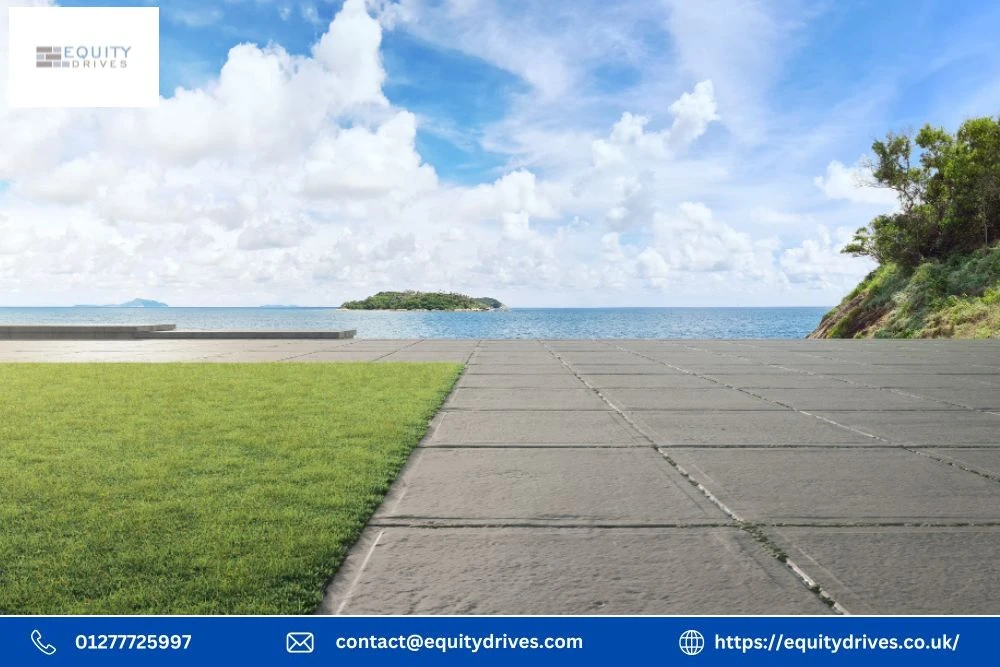
Permeable Block Paving
Permeable block paving is an environmentally friendly option that helps manage stormwater runoff. This type of paving uses specially designed blocks that allow water to flow through the surface, reducing the risk of flooding and promoting groundwater recharge.
Advantages:
- Eco-Friendly: Permeable block paving is an excellent choice for environmentally conscious homeowners and businesses. It reduces the need for drainage systems and helps protect local water supplies.
- Improved Drainage: The open joints between the blocks allow rainwater to filter through, preventing puddles and minimizing water runoff.
- Aesthetic Variety: Permeable blocks come in various colors, sizes, and designs, offering flexibility in your landscape design.
Disadvantages:
- Higher Installation Costs: Permeable block paving may require more complex installation techniques, increasing the overall cost.
- Maintenance: Over time, the joints between the blocks may become clogged with dirt or debris, reducing their permeability and requiring regular cleaning.
Tumbled Block Paving
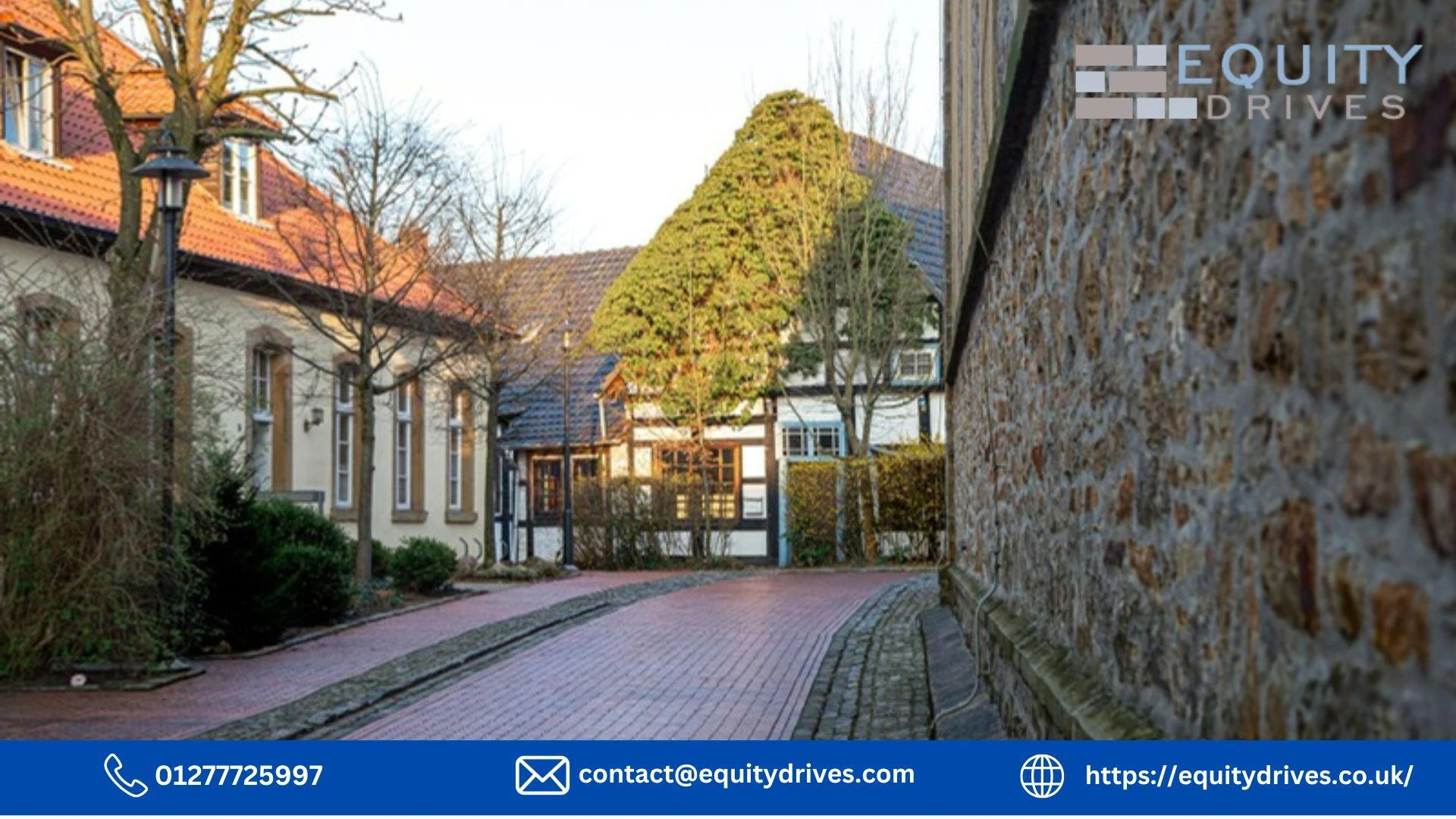
Tumbled block paving offers a more rustic and weathered look, mimicking the appearance of cobblestones. The blocks are typically made from concrete or clay and undergo a tumbling process that gives them a softer, aged look.
Advantages:
- Aesthetic Appeal: Tumbled block paving provides a charming, vintage look that adds character to outdoor spaces.
- Variety of Styles: Available in a range of colors and shapes, tumbled blocks can be used to create distinctive patterns and designs.
- Durability: Despite their weathered appearance, tumbled blocks are still highly durable and can withstand heavy use.
Disadvantages:
- Higher Costs: The manufacturing process for tumbled blocks can be more expensive, making them pricier than standard concrete or clay blocks.
- Installation Complexity: Tumbled blocks may require more effort to install due to their uneven edges, making professional installation a good choice.
Resin Bound Block Paving
Resin bound block paving is a modern and innovative option that uses a combination of aggregates and resin to create a smooth, durable surface. Unlike traditional block paving, resin bound paving is seamless and offers a contemporary look.
Advantages:
- Smooth Surface: Resin bound paving creates a smooth, level surface with no joints, making it ideal for wheelchair access or areas requiring a flat surface.
- Customizable: The aggregates used in resin bound paving come in various colors, allowing for creative and unique designs.
- Durability: Resin bound block paving is durable, low-maintenance, and resistant to cracking and fading.
Disadvantages:
- Cost: Resin bound paving tends to be more expensive than traditional block paving options.
- Potential for Discoloration: The resin may discolor over time, especially with exposure to UV rays and harsh weather conditions.
Block Paving Patterns
Choosing the right block paving pattern can dramatically enhance the appearance of your driveway, patio, or walkway. Some common block paving patterns include:
- Herringbone Pattern: A classic design where blocks are arranged in a V-shape. This pattern is highly durable and is often used for driveways as it can withstand heavy traffic.
- Basketweave Pattern: Blocks are arranged in alternating pairs of horizontal and vertical lines. This pattern gives a unique, elegant look and is suitable for driveways and pathways.
- Stretcher Bond: A simple pattern where blocks are laid in parallel rows. This pattern is easy to install and works well for larger areas.
- Circular Pattern: Often used to create decorative features in gardens or patios, this pattern involves arranging blocks in concentric circles.
- Random Pattern: A mix of various block sizes and shapes laid out in a non-repetitive manner, providing a natural, free-flowing appearance.
Block Paving Colours and Finishes
Block paving is available in a wide variety of block paving colours, allowing homeowners and businesses to choose a design that complements the surrounding architecture or landscape. The range of colours includes earthy tones like reds, browns, and tans, as well as more modern shades such as charcoal, grey, and black.
You can also choose from different finishes for your block paving bricks. Some finishes are smooth, while others have textured surfaces to create a non-slip finish, making them ideal for driveways and outdoor areas where safety is a concern.
Additional Block Paving Products
- Concrete Paving Blocks and Concrete Pavers: Available in a variety of shapes, sizes, and colours, these paving blocks are highly durable and suitable for a range of applications.
- Clay Pavers: Known for their natural aesthetic and strength, clay pavers are an excellent option for creating beautiful and long-lasting surfaces.
- Permeable Paving: If you’re concerned about drainage, permeable paving options allow water to seep through, reducing the risk of flooding.
- Resin Driveways: A seamless, modern alternative to traditional paving, resin driveways offer a smooth, polished finish and come in a variety of colours.
- Paving Stones and Paving Slabs: Larger than typical pavers, these slabs are ideal for creating expansive, durable surfaces for patios and walkways.
FAQs
What is block paving?
Block paving refers to using individual blocks or bricks made from concrete, clay, or natural stone to create a durable and attractive surface for driveways, patios, and walkways.
What are the benefits of using concrete block paving?
Concrete block paving is cost-effective, durable, and versatile, offering a wide range of colors, shapes, and sizes to suit various designs.
What is permeable block paving?
Permeable block paving uses specially designed blocks that allow water to flow through the surface, helping with drainage and reducing the risk of flooding.
How does clay block paving differ from concrete block paving?
Clay block paving provides a more premium appearance with better color retention and is highly durable but typically more expensive than concrete block paving.
What are common block paving patterns?
Common patterns include herringbone, basketweave, stretcher bond, circular, and random, each offering unique aesthetic and functional benefits.
Conclusion
When it comes to selecting the right type of block paving for your property, it's essential to consider factors such as budget, aesthetic preferences, durability, and maintenance requirements. Concrete block paving offers a cost-effective and versatile option, while clay and natural stone provide a premium finish with long-lasting color retention. For environmentally conscious homeowners, permeable block paving is an excellent choice, offering improved drainage and stormwater management. Tumbled block paving adds a rustic charm, and resin bound paving provides a smooth, contemporary look.
For top-quality block paving and installation services tailored to your needs, trust Equity Drives Limited to deliver excellence with every project.








Sign in to leave a comment.