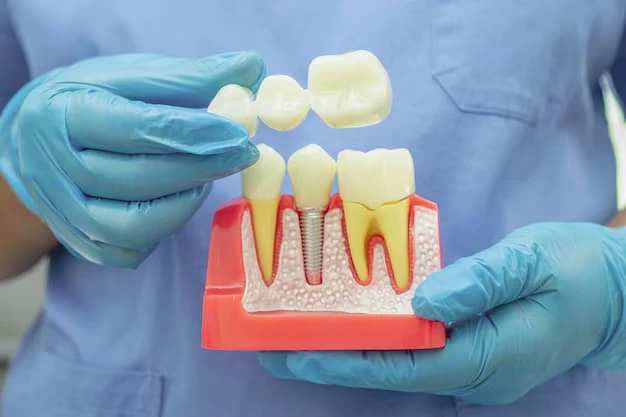

Dental crowns are widely used in restorative dentistry to protect, strengthen, and improve the appearance of damaged or weakened teeth. They fully encase a tooth, restoring its shape, size, strength, and function. For individuals seeking long-term dental solutions, understanding the different types of dental crowns and their specific benefits is essential. This guide explores various crown materials, their advantages, and considerations for choosing the right dental crown.
What Are Dental Crowns
Dental crowns are custom-made caps that fit over a tooth to restore its structure and function. They are commonly recommended when a tooth is cracked, heavily decayed, worn down, or has undergone a root canal treatment. Crowns also serve aesthetic purposes, improving the appearance of discolored or misshapen teeth. By providing full coverage, dental crowns distribute bite forces evenly, protecting the tooth from further damage and improving oral health.
How Dental Crowns Work
A dental crown works by encasing the entire visible portion of a tooth, providing strength and stability. The crown is bonded or cemented onto a prepared tooth, ensuring a secure and lasting fit. Crowns can be made from a variety of materials, including metal, porcelain, ceramic, and composite resins. They are custom-designed to match the color, size, and shape of surrounding teeth, maintaining a natural appearance. Properly fitted crowns restore the ability to chew, speak, and maintain oral hygiene effectively.
Types of Dental Crowns
Different materials and designs of dental crowns offer unique advantages. Choosing the right type depends on factors such as location in the mouth, aesthetic preference, durability requirements, and budget. The following are the most common types of dental crowns.
Metal Crowns
Metal crowns are made from alloys such as gold, platinum, or base metals. They are highly durable, resistant to wear, and can withstand strong bite forces. Metal crowns require minimal tooth removal during preparation, preserving more of the natural tooth structure. These crowns are ideal for molars and teeth that endure heavy chewing pressure. While metal crowns are less aesthetic due to their metallic appearance, they are highly reliable for long-term use.
Porcelain-Fused-to-Metal Crowns
Porcelain-fused-to-metal crowns combine the strength of metal with the natural appearance of porcelain. The metal base provides durability, while the porcelain overlay mimics the color and translucency of natural teeth. These crowns offer a balance between strength and aesthetics, making them suitable for both front and back teeth. Care must be taken to avoid chipping of the porcelain, but overall, they provide a long-lasting solution for patients seeking a natural-looking restoration.
All-Ceramic or All-Porcelain Crowns
All-ceramic or all-porcelain crowns provide the most natural appearance among dental crowns. They are highly biocompatible and are ideal for patients with metal allergies. These crowns are commonly used for front teeth due to their ability to replicate natural tooth color and translucency. While they may be less durable than metal crowns for molars, advances in ceramic technology have improved their strength and resistance to fracture. All-ceramic crowns offer excellent aesthetics and comfort.
Zirconia Crowns
Zirconia crowns are made from a strong, tooth-colored ceramic material known for its durability and aesthetic appeal. They provide excellent resistance to cracking and chipping, making them suitable for both front and back teeth. Zirconia crowns can be milled using advanced technology for a precise fit, reducing the need for adjustments. Their natural appearance and strength make them an increasingly popular choice for patients seeking long-lasting and visually appealing dental restorations.
Composite Resin Crowns
Composite resin crowns are made from tooth-colored materials that are molded directly onto the tooth or fabricated in a lab. They are more affordable than ceramic or zirconia crowns and provide a satisfactory aesthetic appearance. Composite resin crowns are less durable than other types and may wear down over time. However, they are a good option for temporary restorations or patients looking for a cost-effective solution to improve appearance and function.
Benefits of Dental Crowns
Dental crowns provide numerous functional and aesthetic benefits. They protect weakened or damaged teeth from further deterioration and help maintain proper bite alignment. Crowns restore chewing efficiency, allowing patients to eat comfortably without fear of damaging teeth. They also improve the appearance of teeth that are discolored, misshapen, or worn down. By enhancing both oral function and aesthetics, dental crowns contribute to overall dental health and self-confidence.
Protective Benefits
One of the primary benefits of dental crowns is protection. They cover teeth that are cracked, decayed, or weakened, preventing further damage. Crowns distribute bite forces evenly, reducing stress on the underlying tooth and surrounding teeth. For teeth that have undergone root canal treatment, crowns provide essential reinforcement. Protecting teeth in this way helps prevent the need for extraction or more complex dental procedures in the future.
Aesthetic and Cosmetic Benefits
Dental crowns greatly enhance the appearance of teeth. All-ceramic, porcelain, and zirconia crowns can replicate the natural color, shape, and translucency of teeth. They can cover stains, chips, or misshapen teeth, creating a harmonious and attractive smile. Crowns allow patients to regain confidence in their appearance and improve social interactions. A well-designed crown can blend seamlessly with natural teeth, making it virtually indistinguishable and aesthetically pleasing.
Functional Benefits
Crowns restore normal function by allowing patients to bite, chew, and speak without discomfort. They stabilize weakened teeth, preventing further damage and promoting overall oral health. Properly fitted crowns maintain the alignment of teeth and prevent shifting, which can cause bite problems and jaw discomfort. By restoring both function and structure, dental crowns play a critical role in long-term oral health and quality of life.
Caring for Dental Crowns
Maintaining dental crowns is essential to ensure their longevity and effectiveness. Patients should practice good oral hygiene by brushing and flossing around the crown to prevent decay and gum disease. Regular dental check-ups allow dentists to monitor crown integrity and make adjustments if necessary. Avoiding hard or sticky foods can reduce the risk of cracking or dislodging crowns. With proper care, dental crowns can last for many years, providing reliable protection and aesthetic enhancement.
Common Maintenance Tips
Patients should use non-abrasive toothpaste and a soft toothbrush to clean around crowns. Flossing gently between teeth prevents plaque buildup and gum inflammation. Avoiding habits such as chewing ice or opening packaging with teeth helps prevent damage. Monitoring for sensitivity, looseness, or discoloration ensures early detection of issues. Following professional guidance on oral care contributes to the longevity and functionality of dental crowns.
Conclusion
Dental crowns are versatile restorations that offer protective, functional, and aesthetic benefits for damaged or weakened teeth. By understanding the different types of dental crowns, including metal, porcelain, zirconia, and composite resin, patients can make informed choices that suit their needs and preferences. Proper care and regular dental visits ensure crowns provide long-lasting benefits for oral health and appearance. For individuals seeking high-quality, expertly crafted dental crowns, OD's Dental Laboratory provides professional services to deliver durable, natural-looking, and comfortable solutions for a healthy and confident smile.










Sign in to leave a comment.