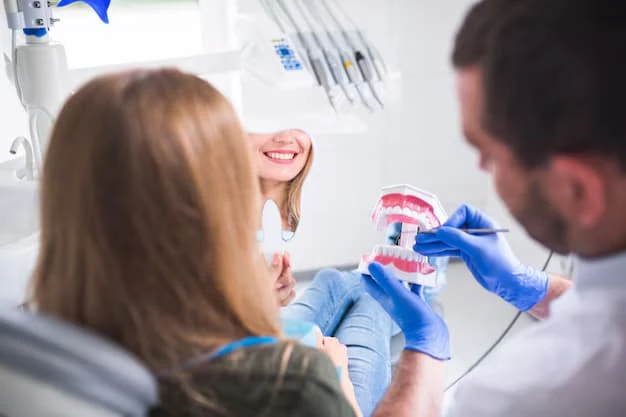

When it comes to restorative dentistry, dentures play a crucial role in enhancing the quality of life for individuals who have lost their natural teeth. The advancements in dental technology have led to a variety of denture types, each tailored to meet the specific needs of patients. This guide delves into the different types of dentures available, their respective benefits, and how they can significantly improve oral health and self-esteem.
Understanding Dentures: An Overview
Dentures are prosthetic devices designed to replace missing teeth. They restore the functionality of chewing and speaking while improving facial aesthetics. There are primarily two types of dentures: complete dentures and partial dentures. Each type serves a distinct purpose and is suited for different dental conditions. Understanding these categories is essential for individuals considering dentures as a solution for tooth loss.
Complete dentures are utilized when all natural teeth are absent, either in the upper or lower jaw. They rely on the gums for support and are custom-fitted to ensure comfort and stability. Partial dentures, on the other hand, are designed for individuals who still have some natural teeth remaining. These dentures fill in the gaps left by missing teeth and are anchored to the existing teeth, providing a more secure fit.
Complete Dentures: A Lifeline for Toothless Smiles
For individuals who have lost all their teeth, complete dentures can be a transformative solution. They are crafted from durable materials like acrylic resin and are designed to closely resemble natural teeth. One of the most notable benefits of complete dentures is their ability to restore facial structure. Without teeth, the face may sag or appear sunken; complete dentures help maintain a youthful appearance by supporting the lips and cheeks.
Moreover, complete dentures significantly enhance the ability to chew food, allowing individuals to enjoy a wider variety of foods without discomfort or difficulty. Speaking becomes clearer and more confident, thereby improving social interactions. The psychological benefits are equally important; individuals often report higher self-esteem and better overall quality of life once they have been fitted with complete dentures.
The process of obtaining complete dentures typically involves multiple appointments. After an initial consultation, impressions of the gums are made to create a custom fit. In some cases, preliminary adjustments may be necessary to ensure optimal comfort. Although the transition to complete dentures may take some time, the long-term benefits far outweigh the initial adjustment period.
Partial Dentures: A Seamless Solution for Missing Teeth
For those with remaining natural teeth, partial dentures offer a practical and aesthetically pleasing solution. They are designed to blend seamlessly with existing teeth, ensuring a natural appearance. One of the key advantages of partial dentures is their ability to distribute biting forces evenly across the remaining teeth, which helps maintain their integrity and health.
Additionally, partial dentures can be constructed using various materials, including acrylic, metal, or a combination of both. This flexibility allows for customization based on the patient’s preferences and needs. The partial denture framework is designed to clasp onto the remaining teeth, providing stability and preventing further tooth movement. This feature is particularly beneficial in preserving the alignment of natural teeth, which is crucial for long-term oral health.
The impact of partial dentures extends beyond mere functionality. They play a significant role in boosting confidence by filling in gaps, thus enhancing the smile and overall appearance. Many individuals find that wearing partial dentures allows them to engage socially without feeling self-conscious about their dental aesthetics.
Implant-Supported Dentures: The Pinnacle of Stability
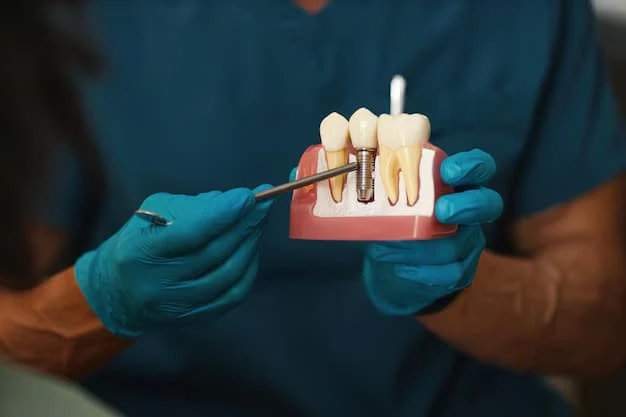
For those seeking a more permanent solution, implant-supported dentures represent a remarkable advancement in dental technology. These dentures are anchored to dental implants surgically placed in the jawbone, providing unparalleled stability and support. One of the most significant benefits of implant-supported dentures is their ability to restore chewing efficiency, often to a level comparable to that of natural teeth.
The integration of dental implants into the jawbone also helps prevent bone loss, a common consequence of tooth loss. This preservation of bone structure not only supports facial aesthetics but also contributes to overall oral health. Patients with implant-supported dentures report higher satisfaction levels due to the confidence and comfort they experience compared to traditional dentures.
The process of acquiring implant-supported dentures is more complex, involving the surgical placement of implants and a healing period for osseointegration. However, the long-term benefits, including improved functionality and a more natural feel, make it an attractive option for many individuals.
The Psychological and Social Benefits of Dentures
Beyond the physical advantages, the psychological and social benefits of wearing dentures cannot be overlooked. Many individuals who have lost their teeth experience feelings of embarrassment and social withdrawal. Dentures can help combat these feelings by restoring not only the functionality of the mouth but also the confidence of the wearer.
Studies indicate that individuals who wear dentures often report enhanced self-esteem and improved social interactions. The ability to smile freely without the fear of exposing gaps can significantly boost one’s mood and presence in social situations. Furthermore, denture wearers often find that they are more willing to engage in activities they may have previously avoided, such as dining out or attending social gatherings.
In a world where first impressions matter, having a complete smile can make a notable difference. Whether it’s a job interview, a date, or a family gathering, the confidence that comes from wearing dentures can positively influence various aspects of life.
Conclusion: Finding the Right Denture Solution in Birmingham
In summary, the journey to restoring one’s smile through dentures is a significant step towards improved oral health and greater confidence. Whether opting for complete dentures, partial dentures, or the advanced implant-supported option, individuals can find solutions tailored to their specific needs. For those in search of expert guidance in this journey, a dedicated denture clinic in Birmingham can provide the necessary support and resources. At Cadbury Dental, professionals offer personalized consultations to help individuals understand their options and make informed decisions about their dental health. Embracing the right denture solution can lead to a remarkable transformation, allowing individuals to smile brightly and live life to the fullest.












Sign in to leave a comment.