

The United Arab Emirates has rapidly evolved into a global business hub, attracting entrepreneurs, investors, and multinational companies. Along with this growth comes a structured and increasingly sophisticated tax system. For business owners, understanding and managing tax obligations is no longer optional, it is essential for long-term success.
This guide explains how to manage VAT and corporate tax in a practical and effective way, helping businesses stay compliant, organized, and well-informed.
Understanding the UAE Tax Framework
The UAE’s tax system is designed to align with international standards while maintaining a business-friendly environment. The two primary taxes that affect businesses are:
- Value Added Tax (VAT) – A consumption-based tax applied to goods and services
- Corporate Tax – A direct tax applied to net business profits
Managing both requires a clear understanding of regulations, accurate financial reporting, and a proactive compliance strategy.
VAT in the UAE: Key Responsibilities for Businesses
VAT was introduced in 2018 at a standard rate of 5%, and it applies to most goods and services. Businesses act as tax collectors on behalf of the government.
Core VAT Compliance Requirements
To meet VAT compliance in the UAE, businesses must:
- Complete VAT registration in UAE if turnover exceeds the threshold
- Charge VAT correctly on taxable supplies
- Maintain proper tax invoices and supporting documentation
- File VAT return filing UAE on a monthly or quarterly basis
- Ensure timely VAT payments to avoid penalties
For businesses looking to streamline this process, many refer to professional resources such as VAT consultancy services UAE available through Tulpar which provide guidance on registration, filing, and compliance procedures.
Corporate Tax in the UAE: What Businesses Need to Know
The introduction of corporate tax has marked a significant shift in the UAE’s financial landscape. Businesses must now assess profitability and align their accounting systems accordingly.
Key Corporate Tax Obligations
To meet corporate tax compliance UAE, businesses should:
- Complete corporate tax registration UAE with the relevant authorities
- Accurately calculate taxable income
- Identify eligible deductions and exemptions
- Maintain proper financial records and audited statements
- File corporate tax returns UAE annually
Understanding these requirements is essential for avoiding penalties and maintaining operational transparency. Many organizations rely on corporate tax consultancy UAE to ensure compliance and optimize tax efficiency.
VAT vs Corporate Tax: Understanding the Difference
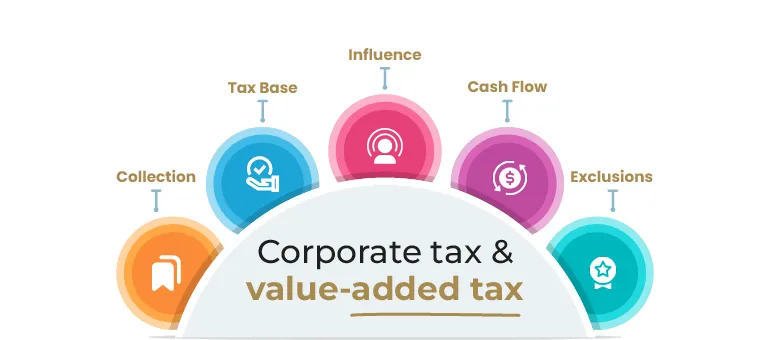
A clear distinction between VAT and corporate tax helps business owners manage both effectively:
| Feature | VAT | Corporate Tax |
|---|---|---|
| Type | Indirect Tax | Direct Tax |
| Applied On | Goods & Services | Business Profits |
| Filing Frequency | Quarterly/Monthly | Annually |
| Responsibility | Collected from customers | Paid by business |
Both taxes require accurate record-keeping and timely submissions, but corporate tax involves deeper financial analysis.
Importance of VAT and Corporate Tax Services in UAE
Managing taxes internally can be complex, especially for small and medium-sized enterprises. This is where VAT and corporate tax services UAE play a crucial role.
Businesses often seek:
- VAT registration services
- VAT return filing services
- corporate tax advisory services
- tax compliance services
Referring to reliable companies allows business owners to explore structured approaches to handling tax obligations without unnecessary complications.
Common Challenges in Managing UAE Taxes
Despite clear regulations, many businesses face difficulties such as:
- Lack of understanding of UAE tax regulations
- Errors in VAT return filing UAE
- Misclassification of expenses for corporate tax
- Poor documentation and record-keeping
- Missing deadlines for tax submissions
These challenges highlight the importance of adopting a systematic approach to compliance.
Best Practices for Managing VAT and Corporate Tax
To ensure smooth operations and compliance, business owners should follow these best practices:
1. Maintain Accurate Financial Records
Proper bookkeeping is the foundation of tax compliance in UAE. Maintain detailed records of:
- Sales and purchase invoices
- Expense receipts
- Bank transactions
- Tax filings
2. Use Advanced Accounting Software
Modern accounting tools help automate:
- VAT calculations
- Invoice generation
- Financial reporting
- Tax return preparation
This reduces errors and improves efficiency.
3. Stay Updated with Tax Regulations
UAE tax laws continue to evolve. Keeping up with updates related to:
- corporate tax UAE guidelines
- VAT compliance requirements UAE
- regulatory changes
is essential for avoiding penalties.
4. Conduct Regular Tax Reviews
Periodic internal audits help identify discrepancies and ensure compliance with both VAT and corporate tax regulations.
5. Seek Expert Guidance
Many businesses consult professionals or refer to trusted company such as Tulpar Taxation for insights into:
- corporate tax registration UAE
- VAT consultancy services Dubai
- tax advisory UAE
This ensures accurate interpretation of laws and proper implementation.
VAT Compliance Process in UAE
The VAT compliance cycle includes:
- VAT Registration UAE
- Issuing VAT-compliant invoices
- Maintaining transaction records
- Filing VAT returns
- Paying VAT liabilities
Businesses must follow each step carefully to avoid fines and ensure compliance.
Corporate Tax Compliance Process
Corporate tax involves a more detailed process:
- Corporate Tax Registration UAE
- Financial statement preparation
- Calculation of taxable income
- Identification of deductions
- Filing corporate tax returns
Using structured corporate tax services UAE can simplify this process significantly.
Role of Tax Consultants in UAE
Professional tax consultants help businesses:
- Understand complex regulations
- Prepare accurate financial reports
- Avoid penalties and fines
- Improve tax efficiency
Accessing tax consultancy services through informative companies can provide valuable insights into compliance strategies.
Penalties for Non-Compliance
Failure to comply with UAE tax laws can result in:
- Financial penalties
- Legal consequences
- Business disruptions
- Reputational damage
Ensuring proper VAT compliance UAE and corporate tax compliance UAE is critical for business continuity.
Leveraging Technology for Tax Compliance
Technology is transforming tax management in the UAE. Businesses are adopting:
- Cloud-based accounting systems
- Automated tax filing tools
- AI-driven financial analysis
- Digital compliance tracking
These tools enhance accuracy and reduce manual workload.
Future of Taxation in the UAE
The UAE continues to strengthen its tax framework. Future trends include:
- Increased digitalization of tax systems
- Enhanced reporting requirements
- Greater transparency and compliance standards
Businesses that stay proactive will be better positioned to adapt to these changes.
Final Thoughts
Managing VAT and corporate tax in the UAE requires a combination of knowledge, organization, and strategic planning. By understanding your obligations, maintaining accurate records, and leveraging expert resources, businesses can ensure smooth compliance and long-term success.
Whether you are handling VAT registration UAE, corporate tax filing UAE, or seeking guidance on tax compliance UAE, staying informed is the key to avoiding risks and maximizing efficiency.










Sign in to leave a comment.