

Agriculture is the backbone of the UK’s economy, providing food, raw materials, and employment to millions. Over the years, farming has evolved from traditional manual practices to a highly mechanised and technology-driven industry. Tractors, harvesters, irrigation systems, and transport vehicles now handle most farming operations, making farm fuel an essential resource for modern agriculture. Without a reliable fuel supply, farms would struggle to maintain productivity and efficiency.
This article explores the role of UK farm fuel, its types, the importance of reliable suppliers, and the growing push towards sustainable fuel solutions.
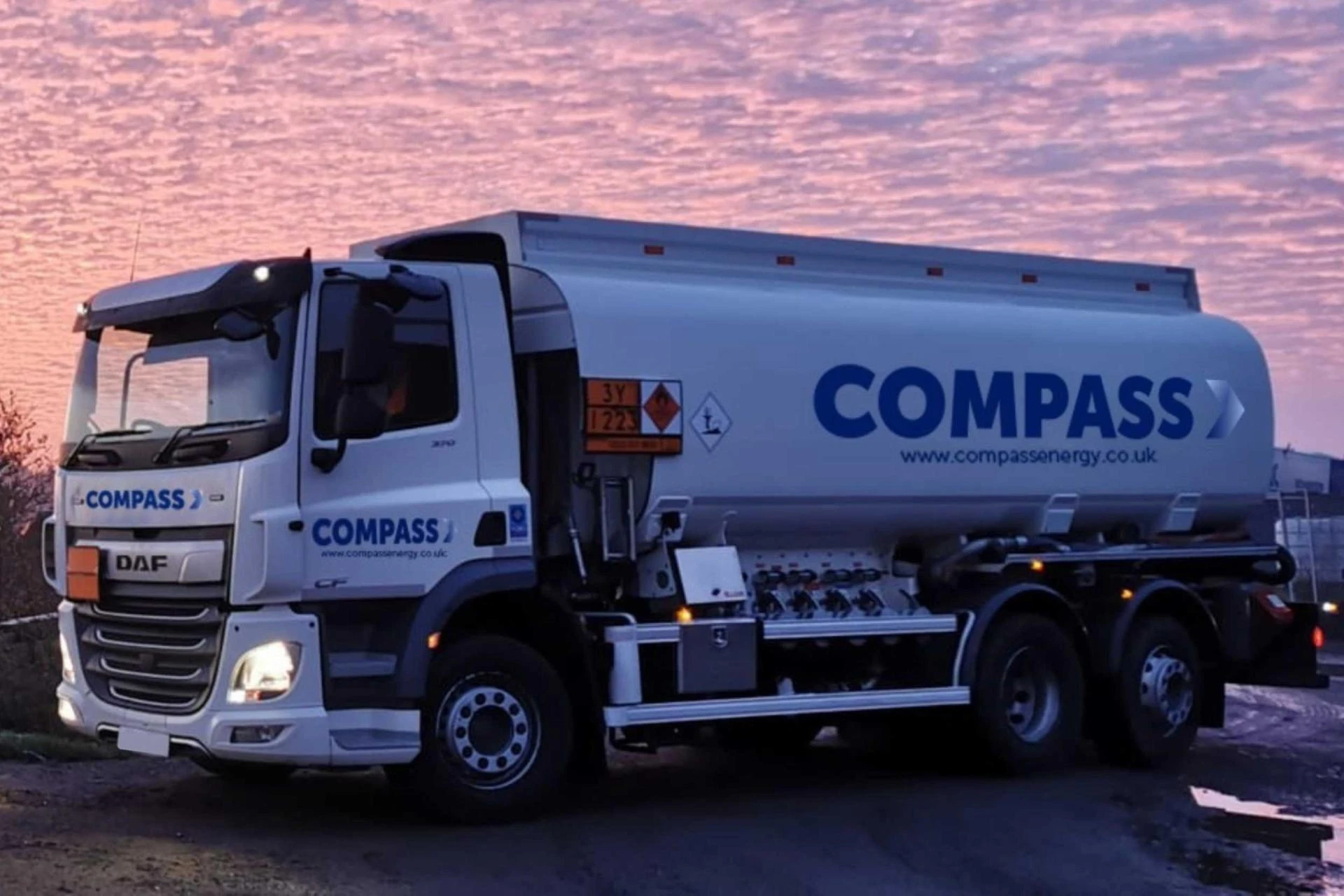
The Importance of Farm Fuel in UK Agriculture
UK farms depend heavily on fuel to power machinery and ensure smooth operations throughout the year. From sowing seeds to harvesting crops, farm fuel keeps everything running efficiently.
Key Uses of Farm Fuel
- Tractors and Harvesters – Essential for ploughing, sowing, and harvesting large-scale crops.
- Irrigation Pumps – Fuel-driven pumps ensure water supply to crops during dry spells.
- Backup Generators – Maintain power for refrigeration, storage, and automated systems during outages.
- Transport Vehicles – Fuel keeps delivery trucks and farm vehicles operational for moving produce and supplies.
Farm fuel is not just an operational requirement but a driver of productivity in the UK’s competitive agricultural sector.
Types of Farm Fuel in the UK
Farmers in the UK use different types of fuel depending on their specific requirements:
- Gas Oil (Red Diesel) – Widely used in agricultural machinery, red diesel is cost-effective due to lower tax rates.
- White Diesel (DERV) – Used for vehicles that travel on public roads and subject to full taxation.
- Biodiesel – An eco-friendly alternative derived from renewable sources, gaining popularity among sustainable farms.
- Kerosene – Primarily used for heating farm buildings and maintaining livestock comfort in colder months.
Choosing the right fuel ensures optimal performance and cost-efficiency across various farming operations.
Importance of Reliable UK Farm Fuel Suppliers
A consistent and high-quality fuel supply is vital for uninterrupted farming operations. Reliable suppliers play a critical role in supporting farmers by providing:
- Timely Deliveries – Essential during peak planting and harvesting seasons.
- Bulk Supply Options – Meeting the demands of large-scale farms efficiently.
- Certified Fuel Quality – Ensuring machinery longevity and optimal performance.
- Competitive Pricing – Helping farmers manage rising operational costs effectively.
- Emergency Fuel Services – Quick response during unexpected shortages.
Partnering with trusted suppliers allows farmers to focus on productivity without worrying about fuel disruptions.
Sustainability and the Future of Farm Fuel
With the UK government’s goal of achieving net-zero emissions, the agricultural sector is increasingly embracing greener energy solutions. Many suppliers now offer biofuels and ultra-low sulphur diesel (ULSD) to reduce environmental impact. Additionally, fuel efficiency technologies and IoT-based monitoring systems are helping farmers manage fuel consumption more effectively.
As renewable energy becomes more integrated into farming practices, the future of UK farm fuel will balance productivity with environmental responsibility.
Conclusion
Farm fuel is the lifeblood of modern British agriculture, powering machinery, irrigation, transportation, and more. Reliable UK farm fuel suppliers ensure that farmers receive timely, cost-effective, and high-quality fuel to keep their operations running smoothly. As sustainability continues to shape the industry, the shift towards greener alternatives like biodiesel and advanced fuel management systems promises a cleaner, more efficient future for farming.

Sign in to leave a comment.