Skin whitening treatments can reduce pigmentation and lighten your skin. They help brighten your complexion and give you an even skin tone. These treatments are used to treat dark spots, hyperpigmentation, and general skin lightening.
This guide will explain how skin whitening works, the best treatments, and their costs. We'll also look at the risks and benefits. You will also learn whether permanent skin whitening is possible. This article will help you choose the right treatment for your needs.
What Are Skin Whitening Treatments?
Skin whitening treatments reduce melanin, the pigment that gives skin its colour. These treatments work by lowering melanin production. How much melanin is in your skin depends on your genetics and things like sun exposure.
There are many ways to lighten skin, including natural treatments (like home remedies and herbal products), cosmetic treatments (such as creams and peels), and medical procedures (like lasers and injections). Each method works in a different way to target pigmentation, remove dead skin, or stop melanin from forming.
How Skin Whitening Works
Skin lightening treatments function by either slowing melanin production, exfoliating pigmented skin layers, or blocking enzymes responsible for skin darkening. The most common ingredients used in skin whitening include:
- Hydroquinone – A powerful skin-lightening agent that reduces melanin production.
- Kojic Acid – A natural ingredient derived from fungi that inhibits melanin synthesis.
- Glutathione – An antioxidant used in skin whitening injections to brighten skin from within.
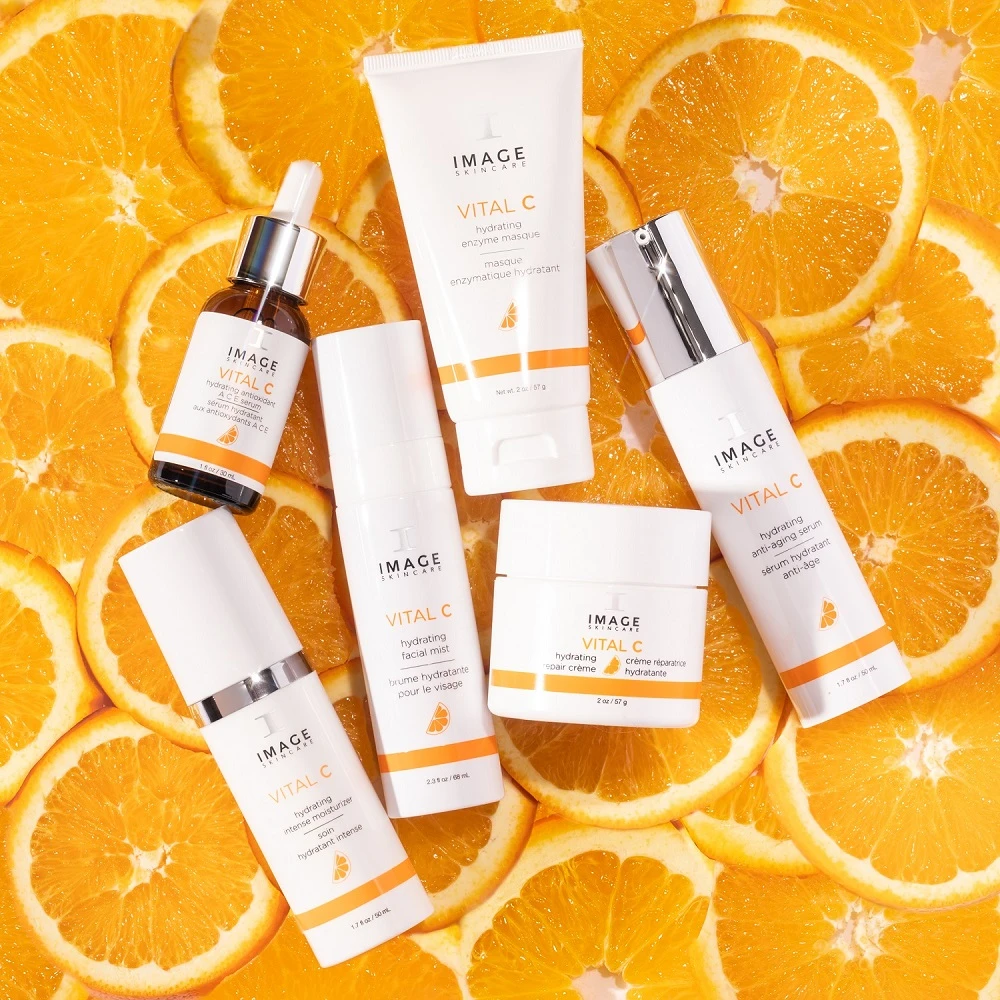
- Vitamin C – Helps to even out skin tone by reducing pigmentation and promoting collagen production.
Advancements in laser technology and chemical treatments have also made it possible to achieve faster and more long-lasting skin lightening effects.
Popular Skin Whitening Treatments
Skin Whitening Laser Treatments
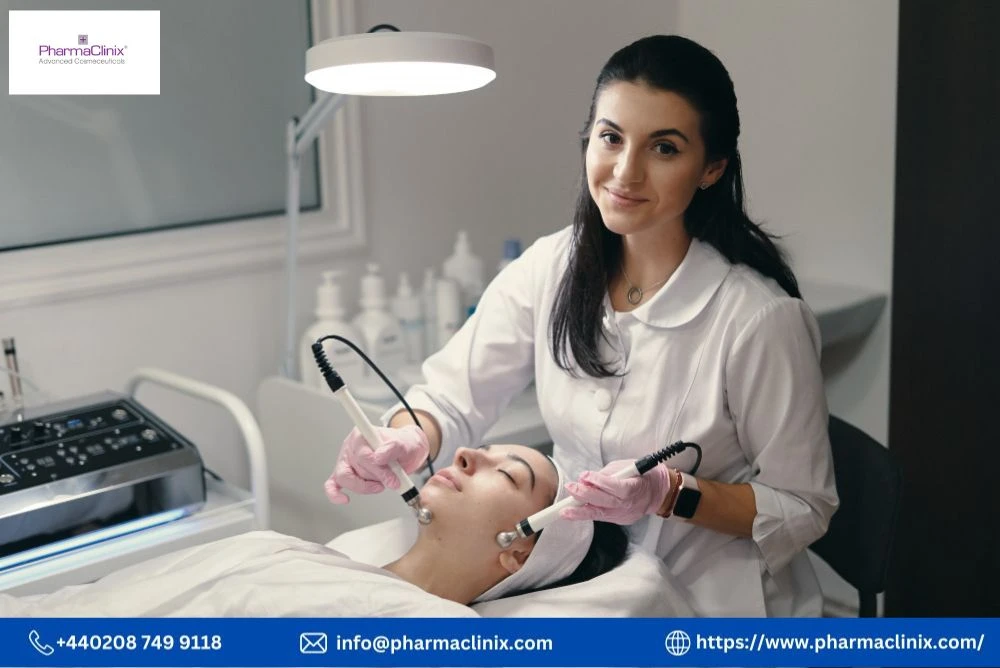
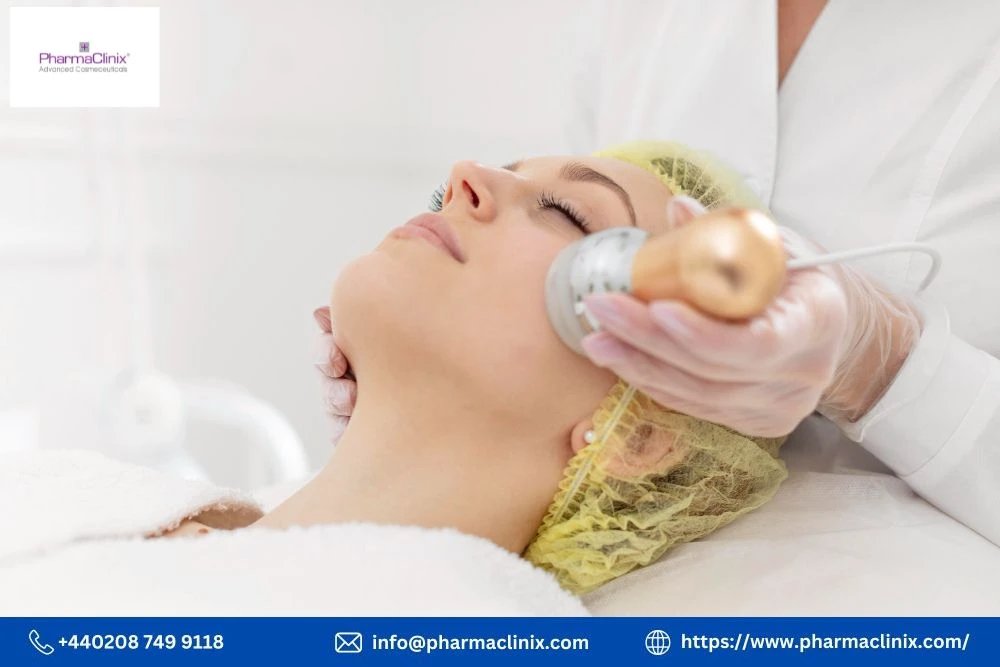
Laser skin whitening treatments use concentrated light energy to break down excess melanin and promote new skin cell growth. Common laser treatments include:
- Q-Switched Lasers – Target deep pigmentation, making them effective for melasma and dark spots.
- Fractional Lasers – Improve overall skin tone by resurfacing the skin layer by layer.
- CO2 Laser Treatment – Used for deep pigmentation and skin rejuvenation.
Pros: Effective for stubborn pigmentation, minimal downtime, and long-lasting results.
Cons: Can be expensive, may cause temporary redness or swelling.
Skin Whitening Treatment Cost in the UK: Prices range from £200 to £1,500 per session, depending on the type of laser used and the clinic's reputation.
Chemical Peels for Skin Lightening
Chemical peels use exfoliating acids to remove dead skin cells and promote a brighter complexion. They work by peeling away the top layers of skin, reducing dark spots and evening out skin tone.
Best types of peels for skin whitening:
- Glycolic Acid Peels – Ideal for mild pigmentation and uneven skin tone.
- TCA (Trichloroacetic Acid) Peels – Used for deeper pigmentation and acne scars.
- Salicylic Acid Peels – Best for oily and acne-prone skin with dark spots.
Side Effects & Recovery: Mild redness, peeling, and sensitivity to sunlight for a few days after treatment.
Skin Whitening Injections
Glutathione injections have become a popular choice for those seeking a full-body whitening effect. They work by detoxifying the skin and reducing melanin production.
- Effectiveness: Some studies suggest that glutathione can brighten skin tone, but results vary.
- Risks: Potential allergic reactions, uneven skin tone, and long-term safety concerns.
Permanent Skin Whitening Treatment Price Comparison: In the UK, glutathione injection treatments cost between £150 to £500 per session, with multiple sessions required for noticeable results.
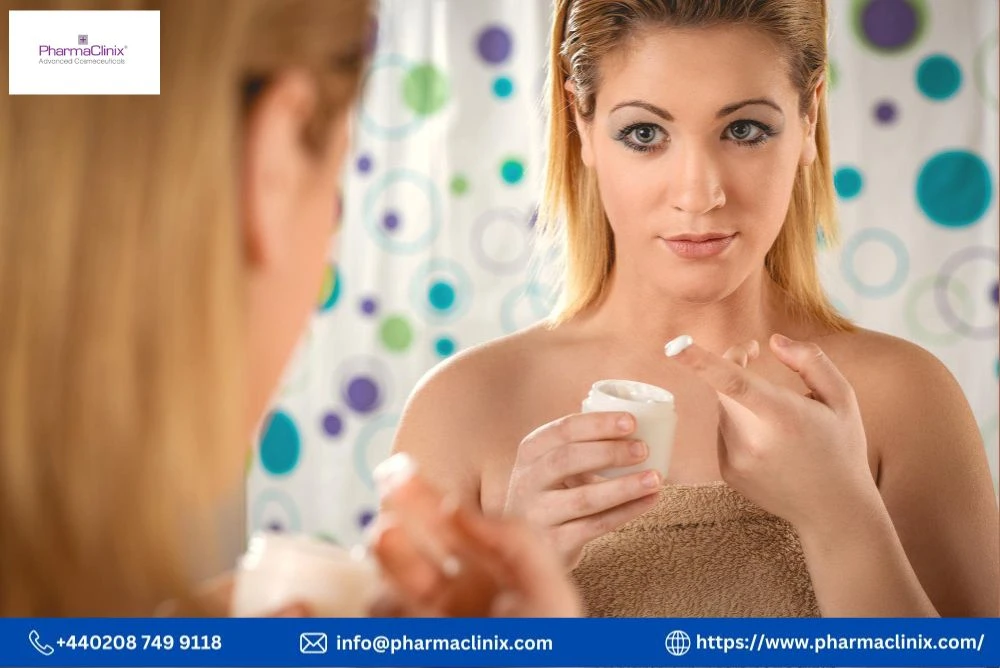
Skin Lightening Topical Creams & Serums
Skin whitening creams contain active ingredients that reduce melanin production and brighten skin tone.
Common Ingredients in Skin Lightening Creams:
- Hydroquinone (2-4%) – Effective for dark spots but should be used under medical supervision.
- Arbutin – A natural alternative to hydroquinone with fewer side effects.
- Niacinamide (Vitamin B3) – Helps to reduce pigmentation and improve skin texture.
Over-the-Counter vs Prescription-Strength Creams:
- OTC creams are milder and take longer to show results.
- Prescription creams are stronger but may cause irritation or sensitivity.
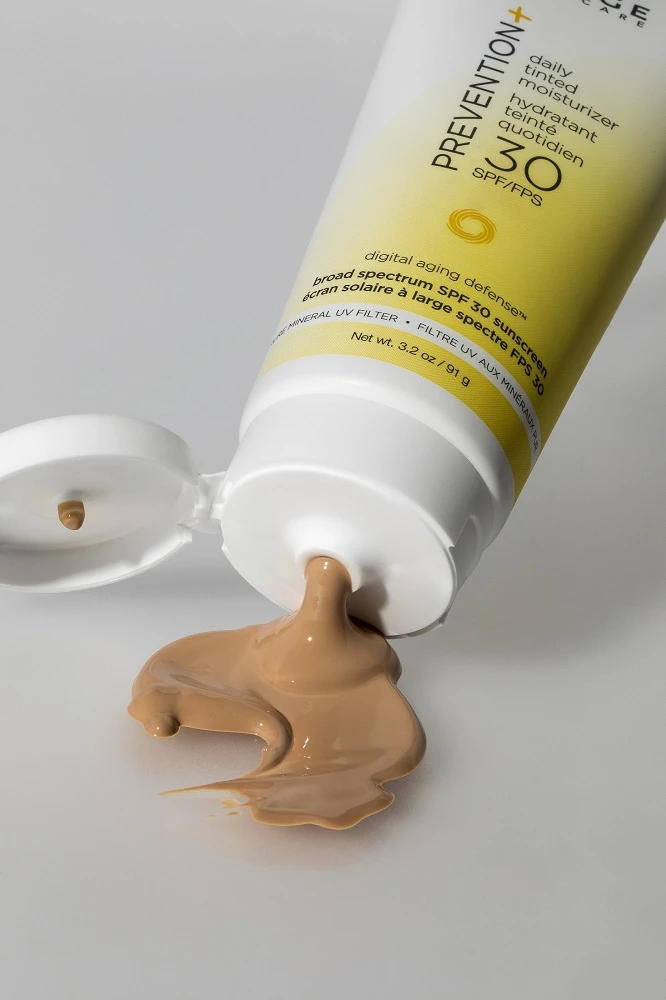
How to Use Skin Lightening Creams Safely: Always apply sunscreen during the day to prevent sun damage and pigmentation rebound.
Natural Skin Whitening Treatments
For those looking for chemical-free solutions, natural skin brightening methods include:
- Lemon Juice & Honey: Natural bleaching properties help fade dark spots.
- Turmeric & Yogurt: Reduces pigmentation and improves skin glow.
- Aloe Vera Gel: Soothes and brightens the skin naturally.
Limitations of Natural Treatments: Results take longer, and effectiveness varies depending on skin type.
Permanent Skin Whitening – Is It Possible?
While some treatments provide long-term skin lightening, permanent skin whitening is not guaranteed. Skin naturally produces melanin, and factors like sun exposure, hormones, and ageing can cause pigmentation to return.
Medical vs Cosmetic Approaches:
- Medical procedures like laser treatments and injections offer noticeable results but require maintenance.
- Cosmetic solutions like creams and peels provide temporary brightening but don’t permanently change skin tone.
Risks & Ethical Considerations: Long-term use of certain treatments can cause skin thinning, irritation, and health risks. Always consult a dermatologist before undergoing any skin whitening treatment.
How to Choose the Best Skin Whitening Treatment for Your Skin Type
The right skin whitening treatment depends on:
- Skin Type: Sensitive skin may react to strong peels, while oily skin benefits from certain chemical treatments.
- Effectiveness: Laser treatments work faster than creams.
- Downtime: Chemical peels and laser treatments may require recovery time.
- Budget: Costs range from affordable creams to high-end laser sessions.
To find trusted skin whitening treatments near you, research reputable dermatologists and clinics with positive reviews.
Skin Whitening Treatment Cost in the UK
Prices vary depending on the treatment type:
- Laser Skin Whitening: £200 – £1,500 per session
- Chemical Peels: £100 – £500 per session
- Glutathione Injections: £150 – £500 per session
- Whitening Creams & Serums: £20 – £200 per product
Factors influencing cost include clinic location, doctor’s expertise, and the number of sessions required.
Risks & Side Effects of Skin Whitening Treatments
Common side effects include:
- Redness and irritation (especially with strong peels or creams)
- Hyperpigmentation (when treatments are not done correctly)
- Skin sensitivity (increased risk of sunburn)
How to Avoid Complications: Choose a licensed professional, follow post-treatment care instructions, and always use SPF 30+ sunscreen.
Maintaining Lighter Skin Tone – Long-Term Care Tips
To keep your skin bright and even-toned:
- Follow a daily skincare routine with gentle cleansers and hydrating serums.
- Use sunscreen daily to prevent pigmentation.
- Maintain a healthy diet rich in antioxidants for skin nourishment.
Frequently Asked Questions (FAQs)
Q: What are skin whitening treatments and how do they work?
A: Skin whitening treatments lighten skin by reducing melanin, the pigment responsible for skin colour. They can be used to treat dark spots and hyperpigmentation, creating an even skin tone.
Q: Are there any risks associated with skin whitening treatments?
A: Yes, some treatments can cause side effects like redness, irritation, and skin sensitivity. It's important to consult a dermatologist before starting any treatment to minimise risks.
Q: How much do skin whitening treatments cost in the UK?
A: Prices for skin whitening treatments vary. Laser treatments range from £200 to £1,500, while chemical peels can cost £100 to £500 per session. Creams and serums range from £20 to £200.
Q: Can skin whitening be permanent?
A: While some treatments offer long-term results, permanent skin whitening is not guaranteed. Melanin production can return due to factors like sun exposure and ageing.
Q: What is the best skin whitening treatment for my skin type?
A: The best treatment depends on your skin type. Laser treatments are effective for deeper pigmentation, while creams and serums are better for milder cases. Always consult a dermatologist for advice.
Conclusion
Skin whitening treatments range from natural remedies to advanced medical procedures. While some treatments offer long-term results, permanent skin whitening is not always achievable. The key to safe and effective skin lightening is choosing the right treatment, following expert guidance, and maintaining healthy skincare habits.
If you're considering a skin lightening treatment, consult a qualified dermatologist to find the best option for your skin type.








Sign in to leave a comment.