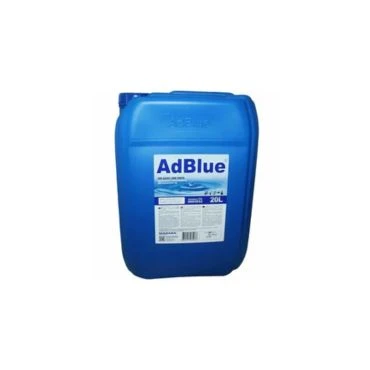

In today’s world, environmental concerns are growing, and vehicle emissions are a major issue. To reduce harmful gases released by diesel engines, AdBlue has become an essential solution. It is a special fluid used in modern diesel engines to lower pollution and meet strict emission standards.
What is AdBlue?
AdBlue is a high-purity urea solution that helps reduce nitrogen oxide (NOx) emissions from diesel engines. It is a non-toxic, colorless liquid made of 32.5% urea and 67.5% deionized water. This fluid is injected into the exhaust system of vehicles equipped with Selective Catalytic Reduction (SCR) technology. When AdBlue reacts with exhaust gases, it converts harmful NOx emissions into harmless nitrogen and water vapor, making the air cleaner.
How Does AdBlue Work?
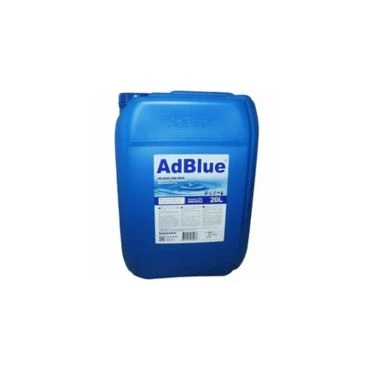
The process of AdBlue working in a diesel engine is quite simple. When diesel fuel burns, it releases NOx gases that contribute to air pollution and respiratory problems. To reduce these emissions, AdBlue is sprayed into the exhaust system before the gases exit the vehicle. The heat from the exhaust turns AdBlue into ammonia, which then reacts with NOx in the catalytic converter. This chemical reaction converts NOx into nitrogen and water, which are both safe for the environment.
Benefits of Using AdBlue
- Reduces Emissions: The main advantage of AdBlue is its ability to cut down NOx emissions by up to 90%. This helps diesel vehicles meet strict environmental regulations.
- Improves Fuel Efficiency: Vehicles using SCR technology with AdBlue consume less fuel compared to older diesel engines, leading to cost savings in the long run.
- Extends Engine Life: By reducing harmful emissions, AdBlue helps keep the engine cleaner, reducing wear and tear.
- Environmental Protection: Using AdBlue makes diesel engines more eco-friendly, contributing to a cleaner and healthier environment.
Common Misconceptions About AdBlue
There are several misunderstandings about AdBlue, including:
- AdBlue is a fuel substitute: This is false. AdBlue is not a fuel but an additive used to treat exhaust emissions.
- It is harmful to the engine: AdBlue does not harm the engine if used correctly. However, using low-quality fluid or running the vehicle without AdBlue can damage the SCR system.
- AdBlue is expensive: The cost of AdBlue is relatively low, and the benefits it provides in fuel savings and reduced emissions outweigh the expense.
How to Handle AdBlue Properly
- Storage: AdBlue should be stored in a cool, dry place away from direct sunlight. It has a shelf life of around 12 months.
- Refilling: Most diesel vehicles have a separate AdBlue tank. Drivers should regularly check the fluid level and refill when necessary to avoid engine warning lights.
- Avoid Contamination: Always use clean equipment when handling AdBlue to prevent contamination, which can affect the SCR system's performance.
Conclusion
AdBlue plays a vital role in reducing diesel vehicle emissions and helping the environment. It ensures compliance with emission regulations, improves engine performance, and promotes cleaner air. For diesel vehicle owners, using AdBlue properly is essential to maintain efficiency and reduce harmful pollution. By adopting AdBlue, we take a step toward a greener future.












Sign in to leave a comment.