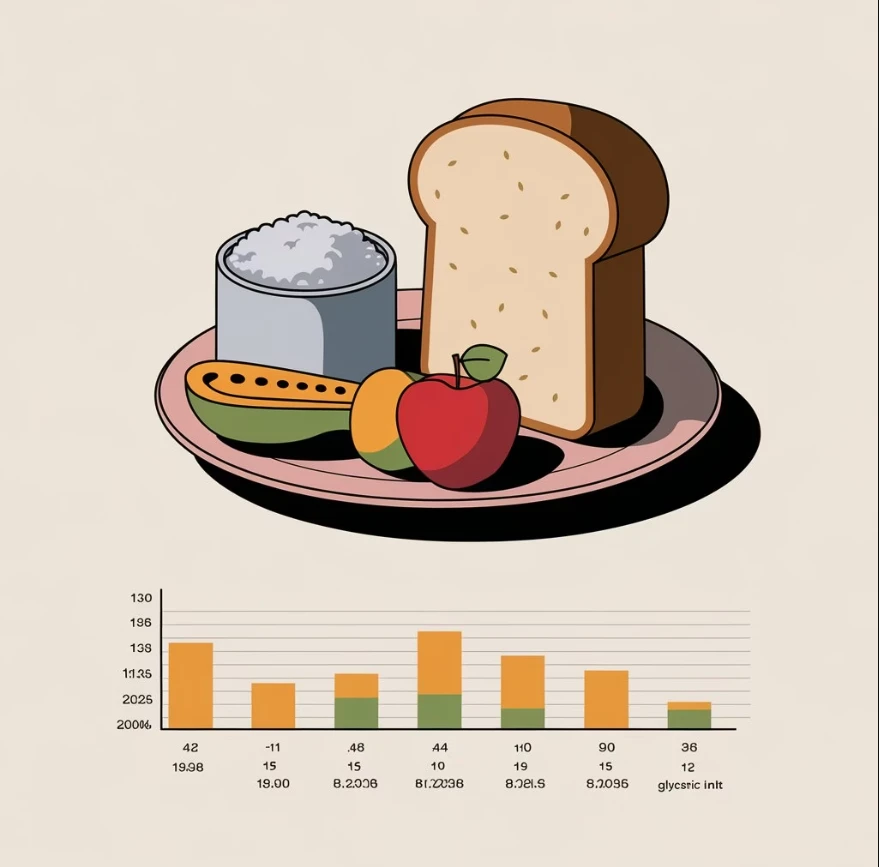
In today's health-conscious world, understanding how your body reacts to different foods is key to maintaining wellness. One vital concept that often gets overlooked is glycemic load (GL). While many are familiar with the glycemic index (GI), glycemic load provides a more complete picture of how carbohydrates affect blood sugar levels. And that's where a glycemic load calculator becomes incredibly helpful.
This article will walk you through what glycemic load is, how it differs from glycemic index, why it matters, and how you can use a glycemic load calculator to make healthier eating choices.
What Is Glycemic Load?
Glycemic load (GL) is a measurement that estimates how much a food will raise a person's blood glucose level after eating it. It takes into account both:
The quality of the carbohydrate (measured by glycemic index)
The quantity of the carbohydrate in a standard serving size
In simple terms, glycemic load tells you how a portion of food will impact your blood sugar. This makes it a more accurate tool for meal planning, especially for people with diabetes, insulin resistance, PCOS, or those aiming to lose weight.
Glycemic Load vs. Glycemic Index
The glycemic index (GI) ranks carbohydrates on a scale of 0 to 100 based on how quickly they raise blood sugar. However, GI does not consider the actual serving size of food.
This is where glycemic load steps in. For example, watermelon has a high GI, but it doesn’t have a lot of carbohydrates per serving. Therefore, its glycemic load is low.
Here's how they differ:
Glycemic Index: Focuses only on how fast a carbohydrate turns into sugar
Glycemic Load: Considers both the speed and the quantity of carbs consumed
So, using only the GI can be misleading. GL gives a fuller picture of a food's real impact.
How Is Glycemic Load Calculated?
The formula is simple:
Glycemic Load = (Glycemic Index x grams of carbs per serving) / 100
Let’s look at an example:
A food has a GI of 70
It contains 15g of carbohydrate per serving
GL = (70 x 15) / 100 = 10.5
That result would be considered a moderate glycemic load.
Glycemic Load Ranges
Glycemic load is categorized as follows:
Low GL: 0–10
Medium GL: 11–19
High GL: 20+
So when you're checking food or meals using a glycemic load calculator, these are the ranges you want to look for. Ideally, a healthy diet consists of mostly low and moderate GL foods.
Why Glycemic Load Matters
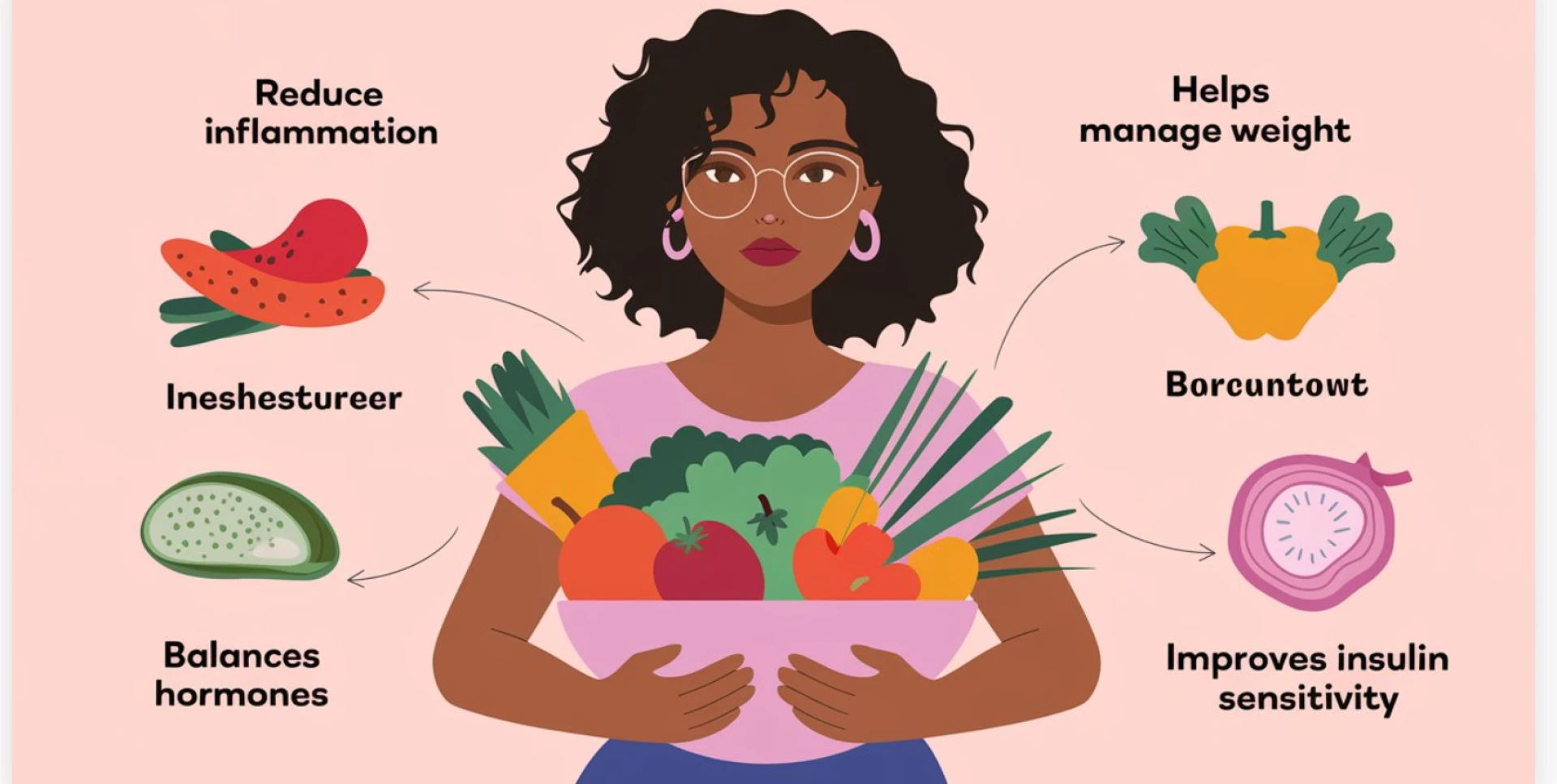
Managing your blood sugar is not only important for people with diabetes. Even if you’re generally healthy, blood sugar spikes can lead to energy crashes, cravings, and increased fat storage. A diet that keeps your blood sugar stable can help with:
Weight loss or weight maintenance
Reducing risk of heart disease
Managing PCOS symptoms
Lowering inflammation
Reducing the risk of type 2 diabetes
Because glycemic load takes portion size into account, it helps you make smarter decisions based on real-world eating habits.
Benefits of Using a Glycemic Load Calculator
Using a glycemic load calculator can change the way you approach food. Here are some key benefits:
Personalized nutrition: Adjust meals based on your individual goals
Diabetes management: Helps in choosing foods that won’t spike blood sugar
Weight control: Prevents overeating high-carb foods with hidden impact
Balanced energy: Avoids energy crashes caused by blood sugar swings
Many apps and websites offer glycemic load calculators where you simply input the food, GI, and carbohydrate content. In return, you get a precise GL value.
How to Use a Glycemic Load Calculator
Here’s a step-by-step guide:
Find the glycemic index of the food (websites like the University of Sydney’s GI database are great resources)
Check the carbohydrate content per serving
Use the formula or plug into a GL calculator
Evaluate the result
If the GL is low, it's usually safe for blood sugar levels
If it’s high, consider reducing the portion or choosing an alternative
Example Foods and Their Glycemic Loads
Food
GI
Carbs (g/serving)
GL
Category
Watermelon
72
6
4
Low
Brown Rice
50
45
22.5
High
Apple
36
15
5.4
Low
Baguette (white)
95
30
28.5
High
Rolled Oats
55
25
13.75
Medium
These examples show how glycemic load gives more realistic dietary insights than glycemic index alone.
Tips to Lower the Glycemic Load of Your Meals
Want to enjoy your favorite foods without the blood sugar spike? Try these tips:
Add fiber: Vegetables, seeds, and whole grains slow down carb absorption
Include protein and healthy fats: They reduce the meal’s overall GL
Watch portion sizes: A smaller portion means lower GL
Choose whole foods over processed: Whole foods have lower GIs and fewer refined sugars
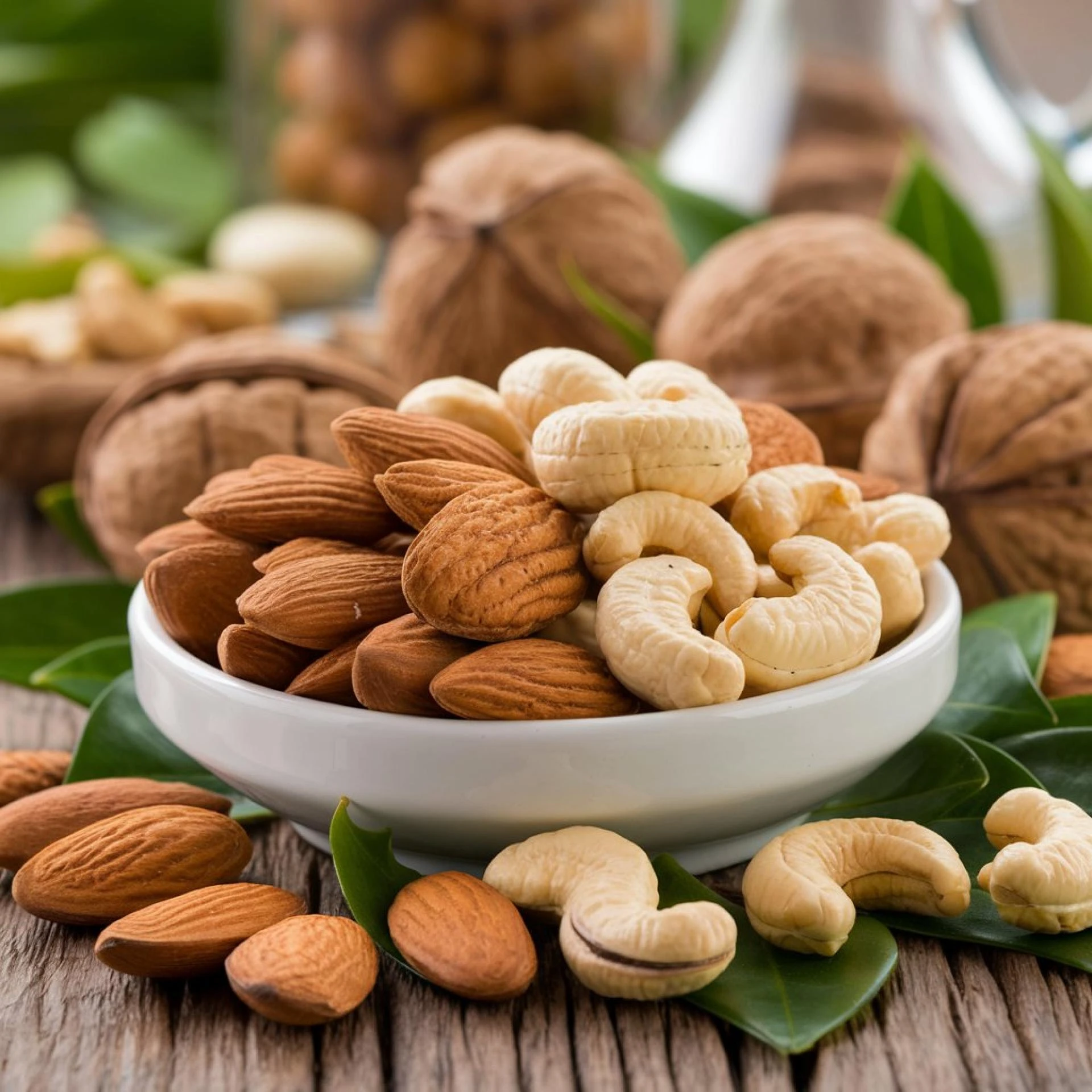
Eat carbs with low-GI pairings: Add avocado, nuts, or legumes to your meal
By making small changes, you can significantly reduce your meal’s glycemic impact.
Special Considerations
1. For Diabetics: Using a glycemic load calculator helps regulate blood sugar more precisely than simply counting carbs. It’s ideal for prediabetes and insulin resistance too.
2. For Weight Loss: Stable blood sugar prevents hunger and cravings. GL-focused meals are more satisfying.
3. For PCOS: Women with PCOS benefit from low-GL meals to regulate insulin and hormone levels.
4. For Athletes: Endurance athletes may sometimes prefer moderate to high-GL meals before or after workouts for energy recovery.
Understanding your unique health goals will help you apply glycemic load knowledge effectively.
Using Technology: Apps and Tools
Many apps help you track GL alongside GI and carbs. Some popular ones include:
MyFitnessPal (with custom entries)
Glucose Buddy
GI & GL Tracker by Nutrilog
Low GI Diet Tracker
These tools can help you stay on track and gain insights into your eating habits.
Final Thoughts
The glycemic load of a food or meal is a powerful indicator of how it will affect your blood sugar. Unlike the glycemic index, it considers the portion size, making it more realistic for daily use. By using a glycemic load calculator, you can take charge of your nutrition, prevent spikes, and enjoy better long-term health.
With a little effort and the right tools, it’s easy to apply this knowledge to everyday meals. Whether you're managing a condition or just aiming for better energy, understanding glycemic load is a smart step toward sustainable health.











Sign in to leave a comment.