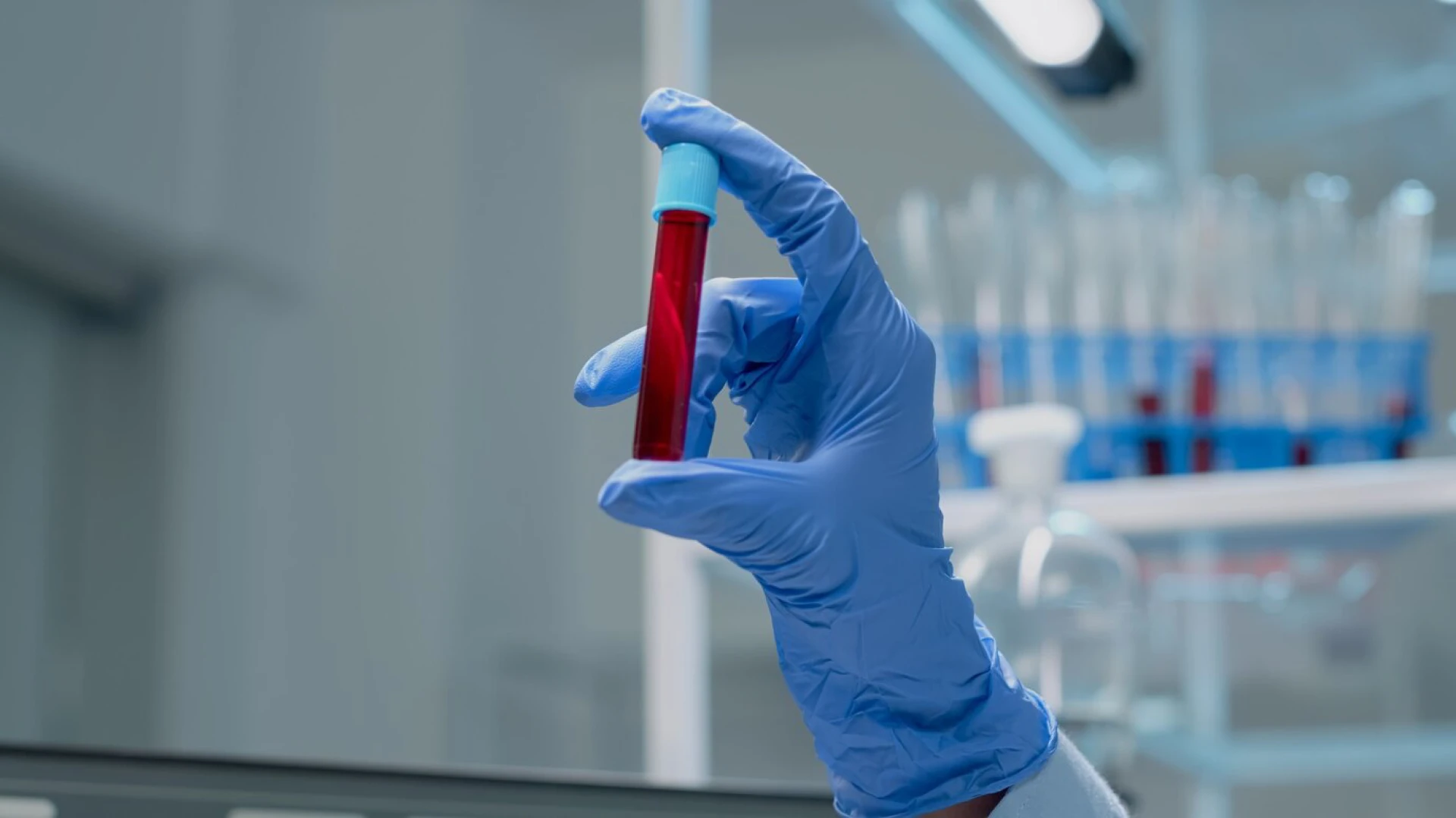
Anemia is a condition that occurs when your body lacks enough healthy red blood cells to carry oxygen to your tissues. It can leave you feeling fatigued, weak, and dizzy. If you or your loved ones are experiencing these symptoms, it's important to understand the causes, symptoms, and types of anemia. It can be diagnosed by test like CBC test and iron studies test.
Causes of Anemia
There are several causes of anemia and they can be diagnosed by tests like the HbA1c blood test, CBC test, iron studies test, or vitamin B12 blood test.
Iron deficiency: This is the most common cause of anemia worldwide. Your body needs iron to produce hemoglobin, a protein in red blood cells that carries oxygen. Iron deficiency can occur due to poor dietary intake or conditions like heavy menstrual bleeding or gastrointestinal bleeding.Vitamin deficiencies: Lack of certain vitamins, such as vitamin B12 or folate, can lead to anemia. These vitamins are necessary for the production of healthy red blood cells.Chronic diseases: Some chronic diseases like kidney disease, cancer, or autoimmune disorders can affect the production of red blood cells and lead to anemia.Genetic disorders: Certain inherited genetic disorders like sickle cell anemia or thalassemia can cause abnormal red blood cells and result in anemia.Symptoms of Anemia
The symptoms of anemia may vary depending on its severity and underlying cause. Common symptoms include:
Fatigue and weakness: Anemic individuals often feel tired and weak even after getting enough rest.Shortness of breath: As there is a decreased supply of oxygen to the tissues, you may experience difficulty in breathing during physical activities.Pale skin: A lack of healthy red blood cells can cause paleness in the skin, especially noticeable in the face and inner lining of the lower eyelids.Dizziness and fainting: Reduced oxygen supply to the brain can lead to dizziness or fainting spells.If you experience any of these symptoms you should consult a doctor. They will suggest tests like the HbA1c blood test, CBC test, iron studies test, or vitamin B12 blood test to diagnose the underlying conditions.
Types of Anemia
There are several types of anemia, each with its own specific causes and characteristics:
Iron-deficiency anemia: This is the most common type of anemia and occurs due to insufficient iron levels in the body. It can be caused by poor dietary intake, chronic bleeding, or conditions that affect iron absorption.Vitamin deficiency anemia: Deficiencies in vitamins like B12 or folate can lead to this type of anemia. Vegans, vegetarians, and individuals with certain gastrointestinal conditions are at a higher risk.Hemolytic anemia: In hemolytic anemia, red blood cells are destroyed faster than they can be produced. It can be inherited or acquired due to autoimmune disorders, infections, or certain medications.Prevention of Anemia
While some types of anemia cannot be prevented due to genetic factors or underlying medical conditions, there are steps you can take to reduce your risk:
Maintain a balanced diet: Ensure your diet includes sources rich in iron (such as lean meats, beans, and leafy greens) and vitamins (such as fruits and vegetables).Get regular check-ups: Routine blood tests like a CBC test can help detect early signs of anemia before symptoms develop.Treat underlying health conditions: If you have a chronic disease that increases your risk of developing anemia, work closely with your healthcare provider to manage the condition effectively.Conclusion
If you suspect you may have symptoms of anemia, it's crucial to consult with a healthcare professional for a proper diagnosis. They may recommend tests like the HbA1c blood test, CBC test, iron studies test, or vitamin B12 blood test to determine the cause and severity of your anemia.
Remember, early detection and proper management of anemia can help improve your quality of life and overall health.













Sign in to leave a comment.