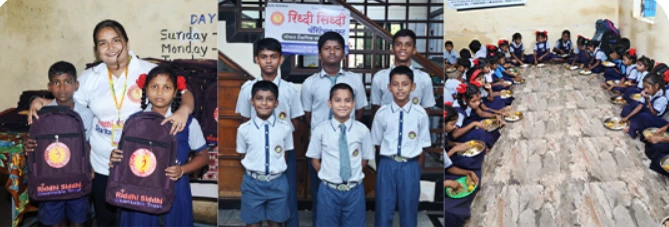

A non profit donation is one of the most powerful ways individuals and organizations can support social welfare initiatives and contribute to building a compassionate society. Across the world, millions of people rely on charitable organizations for basic needs such as food, shelter, healthcare, education, and emergency assistance. Donations made to non-profit organizations help these initiatives operate effectively and extend support to vulnerable communities.
In simple terms, a non profit donation refers to a financial or material contribution given voluntarily to an organization that operates for social, humanitarian, educational, or environmental causes rather than profit. These organizations reinvest the funds they receive into programs designed to improve the well-being of individuals and communities.
What Is a Non Profit Organization?
A non-profit organization is an entity established with the primary objective of serving public or social interests. Unlike for-profit businesses, these organizations do not distribute profits to owners or shareholders. Instead, any surplus funds are reinvested into projects, programs, and services that benefit society.
Non-profit organizations typically work in areas such as:
- Child education and development
- Healthcare assistance
- Elderly care and support
- Disaster relief and rehabilitation
- Women empowerment programs
- Environmental conservation
- Community development initiatives
These organizations depend heavily on donations, grants, and volunteers to continue their operations.
Why Donations Play a Vital Role
Donations are the backbone of most charitable initiatives. Without consistent financial support, many non-profit organizations would struggle to maintain their programs and services.
Here are some key reasons why donations are essential:
1. Supporting Basic Needs
Many charitable initiatives focus on providing essential necessities like food, clothing, and shelter to people facing economic hardship. Donations make it possible to organize food drives, distribute clothing, and provide emergency relief.
2. Improving Access to Education
Education programs funded through donations help children from disadvantaged backgrounds access learning opportunities. Donations often support school supplies, scholarships, and educational infrastructure.
3. Healthcare Assistance
Medical care can be expensive and inaccessible for many underprivileged individuals. Donations help fund medical camps, medicines, surgeries, and health awareness programs.
4. Emergency Relief Efforts
Natural disasters and emergencies require quick action. Donations allow organizations to respond rapidly by providing relief materials, temporary shelter, and rehabilitation support.
5. Community Development
Long-term development programs, such as vocational training, skill development, and women empowerment initiatives, are often supported through charitable contributions.
Different Types of Donations
People can support charitable causes in many different ways. Monetary contributions are common, but donations are not limited to financial support.
Some popular forms of donations include:
Monetary Donations Financial contributions made online, through bank transfers, or during fundraising events.
In-Kind Donations Donating goods such as clothes, food items, books, medical supplies, or educational materials.
Volunteer Contributions Offering time, skills, and services to help organizations run programs efficiently.
Corporate Donations Many businesses support social causes through corporate social responsibility (CSR) initiatives.
Legacy Giving Some individuals choose to include charitable organizations in their wills or estate planning.
How Donations Create Long-Term Impact
When used responsibly, donations can create long-lasting improvements in communities. Instead of only addressing immediate needs, many organizations focus on sustainable development.
For example, educational programs can help children build brighter futures, healthcare initiatives can prevent diseases, and skill training programs can help individuals become financially independent.
These long-term benefits show that charitable contributions are not just temporary assistance but investments in social progress.
Choosing the Right Organization to Support
Before making a donation, it is important to ensure that the organization is trustworthy and transparent. Responsible donors often consider the following factors:
- Clear mission and social objectives
- Transparent financial reporting
- Proper legal registration and compliance
- Impactful programs and measurable outcomes
- Positive reputation and accountability
Taking time to research ensures that donations reach the intended beneficiaries and create genuine change.
The Growing Culture of Giving
In recent years, digital platforms and online fundraising tools have made it easier for people to support social causes. Individuals can now contribute from anywhere in the world with just a few clicks.
The culture of giving is growing as more people understand the importance of collective responsibility toward society. Small contributions from many individuals can create large-scale change when combined.
Final Thoughts
Non-profit organizations play a crucial role in addressing social challenges and improving the lives of those in need. Donations help sustain these initiatives and allow organizations to expand their impact.
Whether large or small, every contribution matters. When individuals choose to support meaningful causes, they help build stronger communities and promote compassion, equality, and opportunity for everyone.










Sign in to leave a comment.