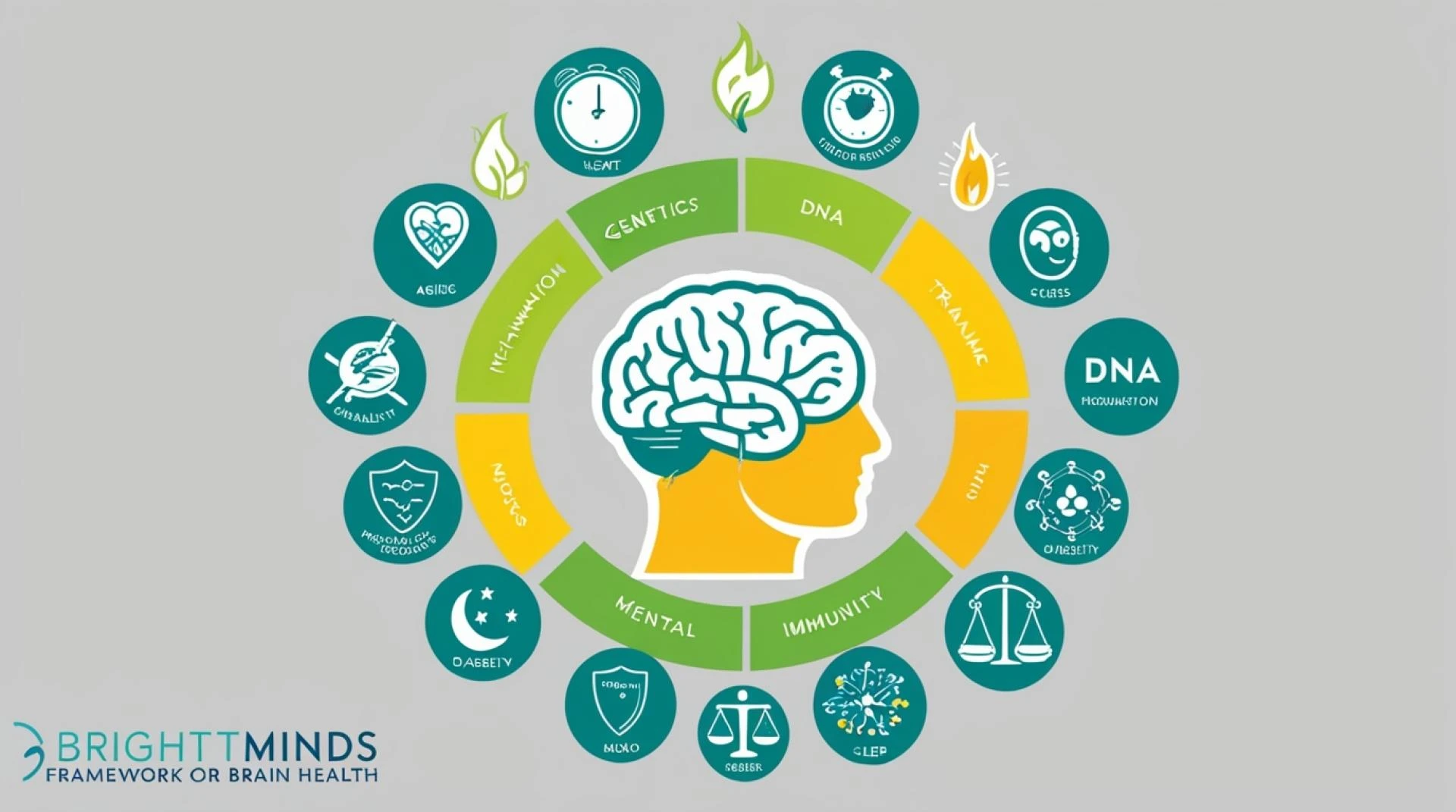

Maintaining a healthy brain is vital for leading a fulfilling and productive life. However, brain health is often overlooked until issues arise, such as memory loss, mood disorders, or cognitive decline. The BRIGHTMINDS approach, developed by Dr. Daniel Amen, offers a comprehensive framework to identify and address the key factors that influence brain health. This evidence-based model is designed to help individuals take proactive steps to enhance their mental well-being and reduce the risk of neurodegenerative diseases. By understanding and implementing the components of BRIGHTMINDS, we can unlock the full potential of our brains.
For mental health coaches, mastering the BRIGHTMINDS framework is a valuable asset. Programs like the mental health coach certification and mental health coach training offered by Amen University equip professionals with the tools to guide clients toward better brain health. Let’s explore the BRIGHTMINDS framework and understand how each component contributes to cognitive vitality.
What is the BRIGHTMINDS Framework?
BRIGHTMINDS is an acronym that represents 11 modifiable risk factors that significantly impact brain health:
- Blood Flow
- Retirement/Aging
- Inflammation
- Genetics
- Head Trauma
- Toxins
- Mental Health
- Immunity/Infections
- Neurohormone Deficiencies
- Diabesity (Diabetes and Obesity)
- Sleep Issues
Each of these factors plays a role in either supporting or undermining brain function. Let’s take a closer look at each component and its significance.
1. Blood Flow
Blood flow is critical for delivering oxygen and nutrients to the brain. Reduced blood flow can lead to cognitive decline, memory loss, and even increase the risk of Alzheimer’s disease.
How to Improve Blood Flow:
- Exercise Regularly: Engage in cardiovascular activities like jogging, swimming, or brisk walking to enhance circulation.
- Healthy Diet: Consume foods rich in nitrates (e.g., beets, spinach) and antioxidants to support vascular health.
- Avoid Smoking: Smoking constricts blood vessels and reduces oxygen supply to the brain.
2. Retirement/Aging
As we age, brain volume naturally decreases. However, lack of mental stimulation and a sedentary lifestyle can accelerate this decline. Staying mentally and physically active is essential to preserve cognitive function.
Tips to Combat Aging:
- Lifelong Learning: Take up new hobbies, learn a language, or enroll in classes.
- Social Engagement: Maintain strong social connections through community groups or family activities.
- Purposeful Living: Volunteer or engage in activities that provide a sense of purpose.
3. Inflammation
Chronic inflammation can damage brain cells and impair cognitive function. It is linked to numerous conditions, including depression, anxiety, and Alzheimer’s disease.
How to Reduce Inflammation:
- Anti-inflammatory Diet: Incorporate foods like fatty fish, berries, turmeric, and leafy greens.
- Exercise: Regular physical activity lowers inflammatory markers.
- Stress Management: Practice mindfulness, meditation, or yoga to reduce stress-induced inflammation.
4. Genetics
While genetics can predispose individuals to certain brain conditions, lifestyle factors often play a larger role in determining brain health.
Strategies for Genetic Risk Mitigation:
- Epigenetics: Focus on healthy habits that positively influence gene expression.
- Regular Screenings: If you have a family history of brain disorders, consult healthcare providers for early interventions.
- Tailored Lifestyle: Customize diet, exercise, and stress management strategies to counter genetic risks.
5. Head Trauma
Even mild head injuries can have long-term effects on brain function. Traumatic brain injuries (TBIs) are associated with memory problems, mood changes, and increased dementia risk.
Preventive Measures:
- Wear Helmets: Use proper protective gear during activities like biking or contact sports.
- Fall Prevention: Ensure home safety by removing tripping hazards and installing handrails.
- Seek Immediate Care: Prompt treatment after head trauma can minimize long-term consequences.
6. Toxins
Exposure to environmental toxins, such as heavy metals, mold, and pesticides, can impair brain function. These substances can accumulate in the brain, leading to cognitive decline.
How to Minimize Exposure:
- Clean Living Environment: Use air purifiers and avoid chemical-laden products.
- Choose Organic: Opt for organic fruits and vegetables to reduce pesticide intake.
- Detox Practices: Engage in regular detoxifying activities, such as sauna therapy or hydration.
7. Mental Health
Mental health conditions, such as depression, anxiety, and chronic stress, directly affect brain chemistry. Prolonged stress can increase cortisol levels, which may damage the hippocampus—the area responsible for memory.
Steps to Support Mental Health:
- Therapy: Seek counseling or therapy to manage mental health concerns effectively.
- Mindfulness Practices: Meditation and mindfulness can help regulate emotions and reduce stress.
- Social Support: Build a network of supportive relationships to foster emotional resilience.
8. Immunity/Infections
Infections and autoimmune responses can cause neuroinflammation, negatively impacting brain health. Conditions such as Lyme disease and untreated infections can have lasting cognitive effects.
How to Strengthen Immunity:
- Vaccinations: Stay up-to-date with recommended immunizations.
- Boost Immunity Naturally: Include immune-boosting foods like garlic, ginger, and citrus fruits in your diet.
- Address Infections Early: Seek medical attention for any prolonged infections or symptoms.
9. Neurohormone Deficiencies
Neurohormones like serotonin, dopamine, and cortisol regulate mood, focus, and energy. Deficiencies can lead to brain fog, depression, or other cognitive impairments.
How to Balance Neurohormones:
- Sleep Optimization: Prioritize 7-9 hours of quality sleep per night.
- Healthy Diet: Include omega-3s, vitamins, and minerals to support hormone production.
- Stress Management: Adopt relaxation techniques to reduce stress-induced hormone imbalances.
10. Diabesity (Diabetes and Obesity)
Diabetes and obesity are linked to insulin resistance, which can impair brain function. Excess weight and poor glucose control increase the risk of conditions like Alzheimer’s disease.
How to Address Diabesity:
- Balanced Diet: Focus on whole, unprocessed foods and avoid excessive sugar and refined carbs.
- Regular Exercise: Combine strength training with aerobic activities to manage weight and improve insulin sensitivity.
- Monitor Health: Regularly check blood sugar levels and maintain a healthy weight.
11. Sleep Issues
Sleep is the brain’s repair mechanism. Chronic sleep deprivation impairs memory, focus, and emotional regulation.
Tips for Better Sleep:
- Maintain a Sleep Schedule: Go to bed and wake up at the same time daily.
- Create a Sleep-Friendly Environment: Keep the bedroom dark, cool, and quiet.
- Limit Stimulants: Avoid caffeine and electronics before bedtime.
Why the BRIGHTMINDS Framework Matters
The BRIGHTMINDS framework provides actionable insights for individuals seeking to enhance brain health. For mental health coaches, understanding this framework is crucial for creating personalized coaching plans. Programs like the mental health coach certification at Amen University equip professionals with the knowledge to guide clients toward improved cognitive well-being.
By addressing the 11 BRIGHTMINDS factors, we can reduce the risk of brain-related issues and optimize mental health. Whether you’re a coach looking to empower your clients or an individual striving for better brain health, the BRIGHTMINDS approach offers a roadmap to success.
Final Thoughts
Brain health is not a one-size-fits-all solution. It requires a holistic, personalized approach that takes into account individual risk factors and lifestyle habits. By adopting the BRIGHTMINDS framework, individuals can take charge of their brain health and live more vibrant, fulfilling lives. For mental health professionals, incorporating these principles through programs like mental health coach training can make a significant difference in clients' lives. Start your journey to better brain health today with the BRIGHTMINDS approach!














Sign in to leave a comment.