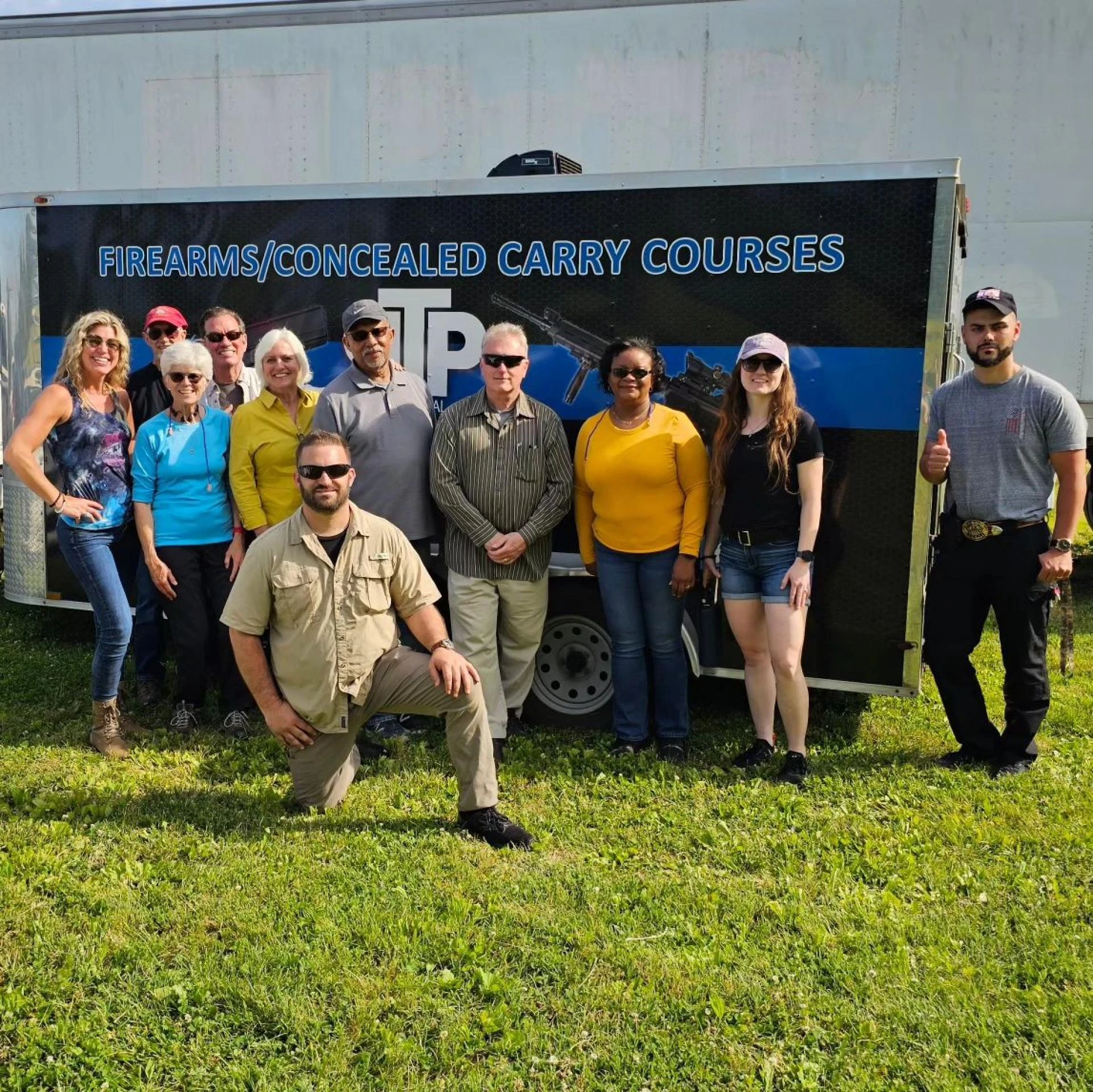

Concealed carry permits are a hot topic in the United States, with laws varying significantly from state to state. The demand for multi-state concealed carry permits has surged as more individuals seek to exercise their Second Amendment rights across state lines. PTPGUN, your trusted source for firearms training, is here to provide comprehensive insights into the legalities of multi-state concealed carry classes. This guide will explore the key considerations, regulations, and requirements for individuals interested in obtaining a multi-state concealed carry permit.
Understanding Concealed Carry Laws:
State-Specific Laws: Concealed carry laws are primarily regulated by individual states. Each state has its own set of laws, requirements, and eligibility criteria for obtaining a concealed carry permit. Understanding the laws specific to your state is the foundation of responsible concealed carry.
Reciprocity Agreements: To carry concealed in multiple states, it\'s essential to be aware of reciprocity agreements. These agreements determine which states will honor your concealed carry permit from your home state. Not all states have reciprocity with each other, so research is crucial.
Benefits of Multi-State Concealed Carry:
Crossing State Lines: A multi-state concealed carry permit allows you to legally carry concealed in multiple states, providing flexibility for travelers and those who frequently cross state lines.
Expanded Self-Defense: Having a permit valid in multiple states ensures that you can protect yourself and your loved ones regardless of where you are, within the boundaries of the law.
Reduced Red Tape: Rather than applying for individual permits in each state you plan to visit, a multi-state permit streamlines the process, reducing administrative hassles.
Multi-State Concealed Carry Classes:
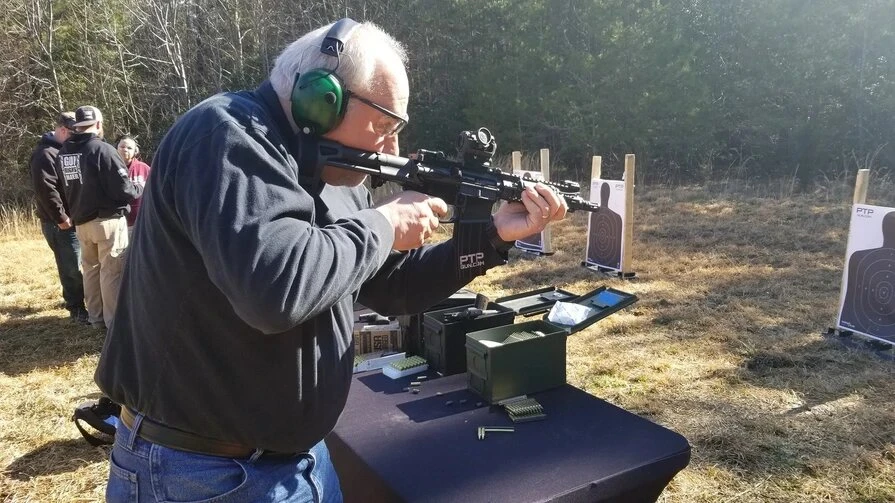
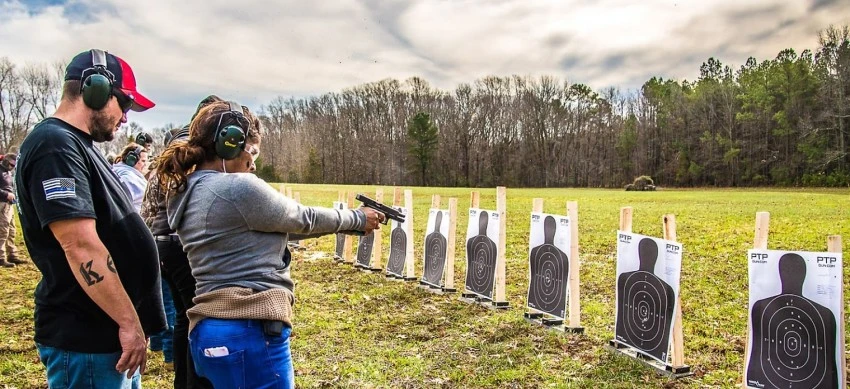
Curriculum: Multi-state concealed carry classes cover a broad range of topics, including firearm safety, marksmanship, legal considerations, and conflict avoidance. Ensure that the course you choose covers all necessary content.
Instructor Qualifications: Verify that the instructors are certified and experienced in providing multi-state concealed carry training. They should be well-versed in the laws of the states covered in the course.
Application Assistance: Look for programs that offer assistance with the concealed carry permit application process, including guidance on which states to apply for based on your travel plans.
Eligibility and Requirements:
Age Restrictions: In most states, you must be at least 21 years old to apply for a concealed carry permit. However, some states may allow individuals as young as 18 to apply.
Background Checks: Expect a thorough background check as part of the application process. This typically includes criminal history, mental health, and domestic violence checks.
Training Requirements: States often require applicants to complete a specific number of hours of firearm training, both in the classroom and on the range. Ensure that your multi-state concealed carry class fulfills these requirements.
Reciprocity and Interstate Travel:
Understanding Reciprocity: As previously mentioned, not all states honor permits from other states. Research reciprocity agreements and which states recognize your multi-state permit to ensure you stay within the bounds of the law.
Transportation Laws: Even with a multi-state concealed carry permit, you must adhere to the firearm transportation laws of the state you are in. Understanding these laws is essential to avoid legal issues.
Renewal and Maintenance:
Renewal Period: Concealed carry permits are not indefinite. They have expiration dates, and it\'s your responsibility to renew them on time. Be aware of the renewal period for each state covered by your multi-state permit.
Ongoing Training: Some states may require ongoing training or requalification to renew your permit. Stay informed about any additional training requirements in the states you plan to carry in.
Legal Responsibilities:
Use of Force Laws: Understanding the laws regarding the use of force and deadly force in each state is critical. The rules governing self-defense can vary significantly, and ignorance of the law is not a valid defense.
Duty to Inform: Some states have a duty to inform law enforcement if you are carrying concealed. Failure to do so when required can lead to legal consequences.
Prohibited Locations: Be aware of locations where carrying concealed is prohibited, such as schools, government buildings, and private properties that have posted "no firearms" signs.
Alcohol and Firearms: Understand the laws regarding the consumption of alcohol while carrying concealed. Mixing alcohol and firearms can lead to serious legal consequences.
Stay Informed and Seek Legal Counsel:
Legal Changes: Laws related to concealed carry can change, so it\'s essential to stay informed about any legislative updates in the states where you plan to carry.
Legal Consultation: If you have specific legal questions or concerns about carrying concealed in multiple states, consider consulting with an attorney who specializes in firearms law. Legal advice can help you navigate complex legal situations.
Conclusion:
Multi-state concealed carry classes offer an excellent opportunity for individuals who wish to exercise their Second Amendment rights responsibly and safely across state lines.
However, understanding the legalities of multi-state concealed carry is paramount to avoid legal complications. PTPGUN is committed to providing you with the knowledge and training necessary to obtain and maintain a multi-state concealed carry permit while ensuring your safety and the safety of those around you. By adhering to the laws, staying informed, and seeking legal advice when necessary, you can confidently exercise your concealed carry rights in multiple states.
Original Sources: https://wakelet.com/wake/73mxty425G9gOFGAQ7B2r










Sign in to leave a comment.