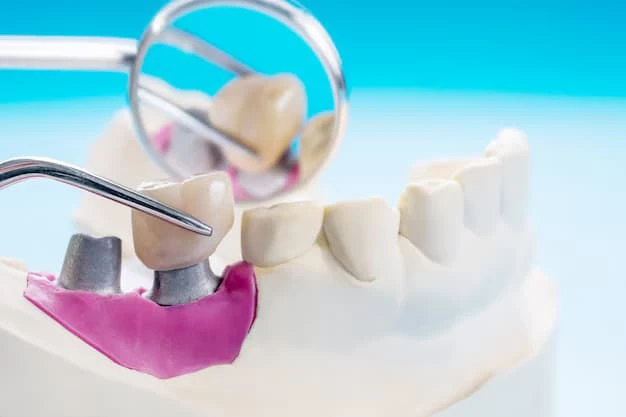

Dental health plays a central role in maintaining overall wellness. When teeth become damaged, weakened, or structurally compromised, restorative solutions help preserve both function and appearance. Among the many dental professionals involved in restorative care, a crown dentist holds a significant position. This specialist focuses on protecting and restoring teeth using custom made crowns that blend seamlessly with natural smiles. Understanding the expertise and purpose of a crown dentist can help individuals make informed decisions about their oral health.
The Importance of a Crown Dentist in Modern Dentistry
A crown dentist is highly trained in restoring teeth that have suffered from decay, fractures, or wear. Their work is essential within restorative dentistry because crowns are among the most widely used treatments for protecting compromised teeth.
The Role of Restorative Dentistry
Restorative dentistry aims to repair, rebuild, and protect teeth so patients can eat, speak, and smile comfortably. It includes various treatments, but crowns are one of the most dependable solutions for long term stability.
Why Crowns Are Commonly Recommended
Crowns are used for many reasons. They can restore broken teeth, support teeth weakened by decay, and protect teeth after root canal therapy. They are also used to improve the appearance of misshapen or severely stained teeth. The versatility of crowns makes a crown dentist an essential part of dental care.
What a Crown Dentist Evaluates During Diagnosis
Before creating a custom crown, a crown dentist performs a detailed evaluation to diagnose the condition accurately and determine the best treatment plan.
Assessing Tooth Structure
The dentist examines the remaining tooth structure to ensure there is enough support for a crown. If a tooth is too weak, additional treatments such as buildups may be needed.
Checking for Decay and Infection
A thorough assessment helps identify any underlying issues that must be addressed before placing a crown. This ensures long term success and stability.
Reviewing Bite Alignment
Proper bite alignment is crucial for comfort. A crown dentist evaluates how teeth come together to design a crown that fits naturally and avoids unnecessary stress on surrounding teeth.
The Process of Creating a Dental Crown
Crafting a dental crown requires precision, attention to detail, and an understanding of both functionality and aesthetics.
Initial Preparation
During the first appointment, the tooth is shaped to make room for the crown. This step ensures that the final restoration aligns correctly with surrounding teeth.
Dental Impressions and Digital Scanning
A crown dentist may use impressions or digital scans to obtain an accurate mold of the teeth. These detailed records serve as the foundation for designing the final crown.
Temporary Crown Placement
A temporary crown protects the prepared tooth while the permanent crown is crafted. This ensures comfort and function throughout the process.
Final Crown Placement
Once the custom crown is ready, the dentist checks its fit, appearance, and bite alignment. After making adjustments if needed, the crown is bonded securely to the tooth.
Materials Used by a Crown Dentist
Crowns can be made from different materials, each offering distinct advantages. A crown dentist helps patients choose the best option based on function, budget, and cosmetic preferences.
Porcelain and Ceramic Crowns
These crowns are known for their natural appearance and are often used when aesthetics are important. They blend well with natural teeth and resist staining.
Metal Crowns
Metal crowns are extremely durable and suitable for back teeth that endure heavy chewing pressure. They provide long lasting strength.
Porcelain Fused to Metal Crowns
These crowns combine durability with natural looking appearance. They are commonly used in various restorative cases.
Zirconia Crowns
Zirconia crowns are both strong and attractive. They are increasingly popular due to their durability and lifelike appearance.
Benefits of Visiting a Crown Dentist
A crown dentist offers several benefits that contribute to long term dental health and improved quality of life.
Protection of Damaged Teeth
One of the primary advantages of crowns is their ability to protect teeth that can no longer support fillings or other restorations. A crown dentist ensures that the restored tooth remains strong and functional.
Enhanced Appearance
Crowns improve the appearance of teeth affected by discoloration, misshape, or severe wear. The dentist designs crowns that enhance overall smile aesthetics.
Improved Chewing and Speaking
Crowns restore the natural function of teeth, making it easier to chew food comfortably and speak clearly. A crown dentist ensures a proper bite, which adds to daily comfort.
Long Lasting Solution
With proper care, crowns can last many years. Their durability makes them a wise investment in dental health.
Preventive Care and Maintenance Recommended by a Crown Dentist
Even after receiving a crown, preventive care is essential for maintaining oral health. A crown dentist provides clear guidance to help patients protect their restorations.
Maintaining Proper Oral Hygiene
Good brushing and flossing habits help prevent decay around the crown. A crown dentist encourages consistent home care to maintain strong and healthy teeth.
Regular Dental Checkups
Routine visits allow the dentist to monitor the crown and detect issues early. Professional cleanings also help maintain gum health around the crown.
Protecting Teeth from Excessive Force
Grinding or clenching can damage crowns. A crown dentist may recommend night guards for additional protection if needed.
When to Seek Help from a Crown Dentist
Knowing when to schedule an appointment can help prevent further damage.
Persistent Tooth Pain
Pain may indicate that a tooth needs restoration. A crown dentist can determine whether a crown is required.
Cracked or Broken Teeth
Visible cracks or fractures often require immediate attention. A crown can restore strength and prevent additional damage.
Large Fillings Breaking Down
Old fillings that fail or fracture may weaken the tooth. A crown dentist can restore the tooth with a new protective crown.
Root Canal Treated Teeth
Teeth treated with root canal therapy often need crowns to maintain structure and prevent breakage.
How a Crown Dentist Enhances Overall Oral Health
A crown dentist contributes to long term dental health through both restorative and preventive care.
Preserving Natural Teeth
Crowns help preserve natural teeth by reinforcing their structure rather than requiring extraction.
Supporting Other Dental Treatments
Crowns may be used in combination with bridges, implants, and other restorations to complete a full treatment plan.
Boosting Patient Confidence
Restoring a damaged tooth with a crown improves confidence and encourages positive oral care habits.
Conclusion
A crown dentist plays a vital role in restorative dentistry by repairing and protecting compromised teeth with custom designed crowns. Their skill, precision, and expertise help patients restore function, maintain oral health, and enjoy renewed confidence in their smiles. For individuals seeking guidance or restorative treatment, Dentistry of Thousand Oaks is available to provide trusted and professional care.












Sign in to leave a comment.