
In the world of Selective Catalytic Reduction (SCR) systems, the urea nozzle plays a crucial role in reducing harmful emissions. With stricter environmental regulations, industries and vehicle manufacturers are increasingly relying on SCR technology to meet emissions standards. Understanding the urea nozzle and its functionality is essential for maintaining efficiency and longevity in SCR systems.
What Is a Urea Nozzle?
A urea nozzle is a key component in the SCR system that injects Diesel Exhaust Fluid (DEF), a urea-based solution, into the exhaust stream of diesel engines. This process helps convert nitrogen oxides (NOx) into harmless nitrogen and water vapor, significantly reducing air pollution.
The urea nozzle must function with precision to ensure optimal fluid atomization, even distribution, and efficient mixing with exhaust gases. Poor atomization can lead to crystallization, clogging, and inefficiency in NOx reduction.
How Does a Urea Nozzle Work?
- DEF Injection – The SCR system pumps DEF from the tank to the urea nozzle, where it is sprayed into the exhaust.
- Atomization – The nozzle atomizes the DEF into fine droplets, ensuring even distribution.
- Chemical Reaction – The heat in the exhaust converts the urea into ammonia, which then reacts with NOx on the SCR catalyst, breaking it down into nitrogen and water.
Common Issues With Urea Nozzles
Despite their efficiency, urea nozzles can face several problems, including:
1. Crystallization and Clogging
Crystallization occurs when DEF dries up, leaving solid deposits inside the urea nozzle. This issue is common in vehicles or machinery that experience long periods of inactivity. Regular maintenance and flushing can help prevent blockages.
2. Nozzle Wear and Tear
Like any mechanical component, urea nozzles can degrade over time due to high temperatures and chemical exposure. A faulty nozzle can result in inconsistent spraying, reducing the efficiency of NOx conversion.
3. Sensor Malfunctions
Many modern SCR systems have sensors to monitor DEF flow. A malfunctioning sensor can cause errors in the injection process, leading to poor emissions control and possible regulatory non-compliance.
How to Maintain a Urea Nozzle for Optimal Performance
To ensure a urea nozzle operates efficiently, consider these maintenance tips:
- Regular Cleaning – Periodically clean the nozzle to prevent DEF buildup and crystallization.
- Check for Clogs – Inspect the nozzle for blockages that may restrict fluid flow.
- Monitor DEF Quality – Use high-quality DEF to avoid contamination that can cause clogging.
- Replace When Necessary – If a urea nozzle shows signs of excessive wear or damage, timely replacement can prevent further issues.
Expert Insights: What Professionals Say
Testimonial 1
"We had issues with our fleet’s SCR system due to nozzle clogging. After implementing a routine cleaning schedule, performance improved significantly, and NOx reduction became more consistent." – Mark R., Fleet Manager
Testimonial 2
"Choosing the right urea nozzle for our industrial equipment made a noticeable difference in efficiency. Proper atomization ensured we stayed compliant with emissions regulations." – Sarah D., Environmental Engineer
Frequently Asked Questions (FAQs)
1. How often should a urea nozzle be cleaned?
Cleaning schedules depend on usage, but a general recommendation is every 6 to 12 months to prevent clogging and ensure optimal performance.
2. Can I use any DEF fluid with my urea nozzle?
Always use ISO 22241-compliant DEF to avoid contamination and potential system damage.
3. What are the signs of a failing urea nozzle?
Signs include poor atomization, increased NOx emissions, and system error codes indicating DEF injection issues.
4. Is a urea nozzle replacement costly?
The cost varies depending on the model and manufacturer, but investing in quality components helps prevent frequent replacements and compliance issues.
Conclusion
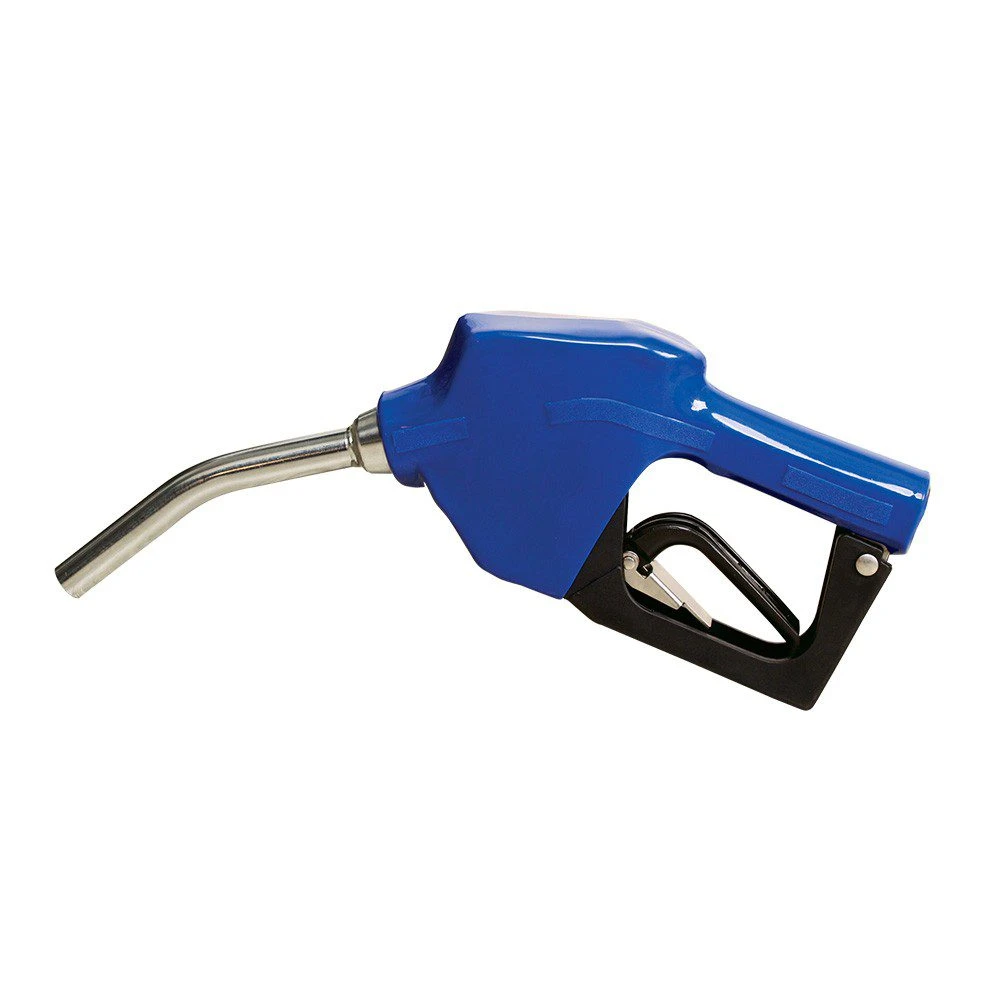
A urea nozzle or Oil Drainers is an essential component in SCR technology, helping industries and vehicle fleets maintain environmental compliance while reducing harmful emissions. Regular maintenance, proper fluid selection, and timely replacements ensure a urea nozzle functions efficiently, contributing to a cleaner environment and optimal engine performance.










Sign in to leave a comment.