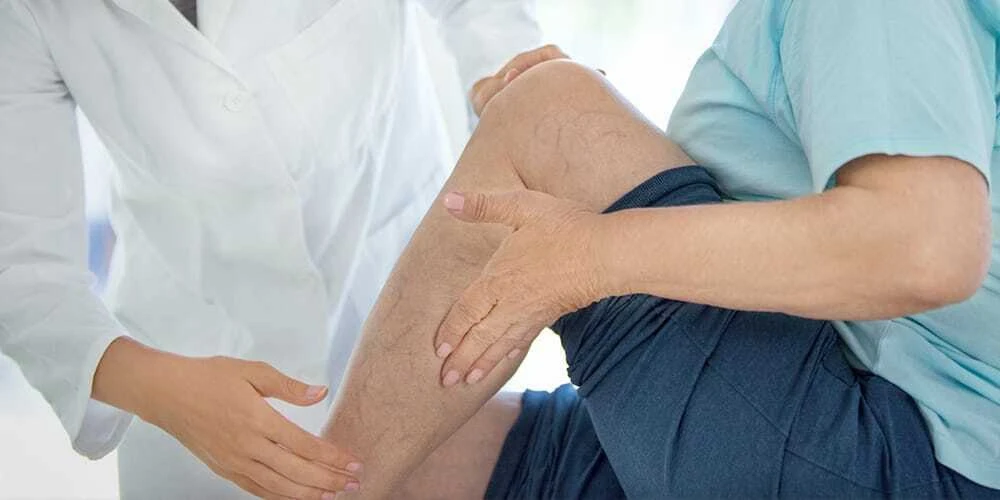

When it comes to circulatory health, two conditions often come up that affect millions worldwide: varicose veins and peripheral artery disease (PAD). Though they both involve blood flow issues, the underlying causes and symptoms differ. But together, they provide a powerful example of the importance of proper circulation for overall health. At SG Vascular Center, we aim to provide clarity on these conditions and explore how they impact individuals, as well as the latest solutions available.
In this article, we’ll dive into what varicose veins and peripheral artery disease are, their symptoms, risk factors, and how they are treated.
What Are Varicose Veins?
Varicose veins are swollen, enlarged blood vessels that typically appear in the legs. They occur when the valves inside the veins weaken, causing blood to flow backward and pool in the veins rather than traveling up to the heart. As a result, the veins become twisted and enlarged, often visible through the skin’s surface.
Symptoms of Varicose Veins
The most common symptoms of varicose veins include:
- Swollen veins visible under the skin
- Pain or heaviness in the legs
- Itching or irritation around the veins
- Leg cramps, particularly at night
- Fatigue in the affected limb
While many people view varicose veins as a cosmetic issue, they can lead to more serious complications if left untreated, such as blood clots, ulcers, or chronic venous insufficiency.
What Is Peripheral Artery Disease (PAD)?
Peripheral artery disease (PAD) is a condition where the arteries in the legs become narrowed or blocked, often due to a buildup of fatty deposits (atherosclerosis). This results in a reduction of blood flow to the lower extremities, which can cause pain and, in severe cases, tissue damage.
Symptoms of PAD
Common symptoms of peripheral artery disease include:
- Painful cramping or aching in the legs while walking or exercising (known as claudication)
- Cold or pale skin on the affected leg
- Weak or absent pulse in the legs or feet
- Sores or wounds on the legs that do not heal
- Numbness or weakness in the legs
Like varicose veins, PAD can worsen over time and lead to significant complications such as gangrene, amputation, or heart disease if not addressed.
Link Between Varicose Veins and Peripheral Artery Disease
While varicose veins and peripheral artery disease are distinct conditions, they share a common denominator: poor circulation. The veins and arteries are responsible for transporting blood throughout the body, and when either of these systems is compromised, health problems arise.
For those with varicose veins, the backward flow of blood can increase pressure in the veins and, over time, lead to PAD. Conversely, the narrowed arteries caused by PAD can disrupt normal blood flow, contributing to the development of varicose veins.
Both conditions are more common in older adults, individuals with sedentary lifestyles, and those with risk factors such as obesity, smoking, or a family history of circulatory problems.
Risk Factors for Varicose Veins and PAD
The risk factors for these circulatory issues often overlap, and being aware of them can help with prevention. These include:
- Age: Both conditions become more prevalent with age.
- Family History: Genetics play a significant role in determining risk.
- Lifestyle: A sedentary lifestyle, obesity, and smoking are major contributors.
- Gender: Women are more likely to experience varicose veins due to hormonal changes, but men are at higher risk for PAD.
- Underlying Health Conditions: Conditions like diabetes and hypertension can increase the risk for both diseases.
Treatment Options for Varicose Veins and PAD
Luckily, both varicose veins and peripheral artery disease are treatable, and advancements in medical technology and treatment techniques have made managing these conditions easier.
Treatment for Varicose Veins
Treatment options for varicose veins depend on the severity of the condition:
- Lifestyle Changes: Elevating the legs, wearing compression stockings, and exercising regularly can alleviate symptoms.
- Medical Interventions: Sclerotherapy, laser treatment, or vein stripping are options for severe cases. Minimally invasive treatments can close off problematic veins and reroute blood to healthier vessels.
Treatment for Peripheral Artery Disease
Treatment for PAD focuses on improving circulation and managing symptoms:
- Lifestyle Changes: Quitting smoking, exercising regularly, and eating a heart-healthy diet.
- Medications: Antiplatelet drugs, cholesterol-lowering medications, and blood pressure drugs can help manage PAD.
- Procedures: In some cases, angioplasty or bypass surgery may be necessary to open blocked arteries.
At SG Vascular Center, a personalized treatment plan is essential to restoring circulation and preventing complications.
Preventing Varicose Veins and PAD
Prevention is key when it comes to circulatory health. By adopting a healthy lifestyle, you can reduce your risk of developing varicose veins and peripheral artery disease.
Here are some practical tips:
- Exercise Regularly: Activities like walking, swimming, and cycling promote blood flow in the legs.
- Maintain a Healthy Weight: Reducing excess weight eases the pressure on the veins and arteries.
- Quit Smoking: Smoking accelerates artery damage and worsens circulation issues.
- Eat a Balanced Diet: Focus on foods rich in fiber, antioxidants, and healthy fats to support cardiovascular health.
Conclusion
Understanding varicose veins and peripheral artery disease is crucial for early detection and effective treatment. While both conditions can significantly affect quality of life, advancements in medical treatments provide hope for many individuals. Early intervention, lifestyle changes, and modern treatments can help manage symptoms, prevent complications, and improve overall health.
At SG Vascular Center, we are committed to providing state-of-the-art care to individuals affected by circulatory issues. If you’re experiencing symptoms of varicose veins or peripheral artery disease, it’s essential to seek professional care. Don’t wait—take action now to protect your vascular health and enjoy a fuller, more active life.













Sign in to leave a comment.