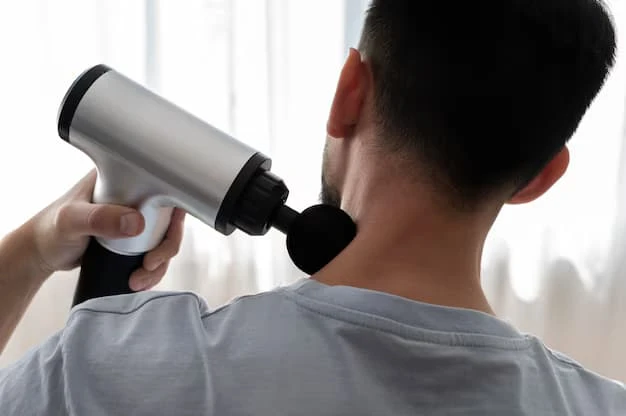

In recent years, the fitness and wellness industry has witnessed an explosion of innovative recovery tools, among which massage gun therapy has gained significant popularity. These handheld devices, designed to deliver percussive therapy, are transforming the way athletes and fitness enthusiasts approach muscle recovery and pain management. Understanding how massage guns work and their benefits can empower individuals to incorporate this technology into their wellness routines effectively.
Understanding Massage Gun Therapy
Massage gun therapy involves the use of a handheld device that delivers rapid bursts of pressure to the muscles. This percussive action mimics the techniques of a skilled massage therapist, targeting muscle knots, tightness, and soreness. The device typically features adjustable speed settings and interchangeable attachments that can be tailored to different muscle groups and areas of tension.
At its core, the principle of massage gun therapy is based on the science of muscle recovery and myofascial release. The rapid vibrations produced by the massage gun stimulate blood flow to the targeted areas, enhancing circulation and oxygen delivery to the muscles. This increased blood flow can help expedite the removal of metabolic waste products, such as lactic acid, that accumulate during intense physical activity.
Benefits of Massage Gun Therapy
One of the primary benefits of massage gun therapy is its ability to alleviate muscle soreness and tension. Athletes frequently experience delayed onset muscle soreness (DOMS) following intense workouts, which can hinder performance and motivation. By using a massage gun, individuals can effectively target sore muscle groups, providing immediate relief and promoting faster recovery.
Moreover, massage gun therapy can enhance flexibility and range of motion. The percussive action helps break down adhesions and scar tissue in the muscles and fascia, which can restrict movement. Regular use of a massage gun can improve overall muscle elasticity and joint mobility, allowing individuals to perform exercises more effectively and with reduced risk of injury.
Additionally, the therapeutic benefits extend beyond the physical realm. Massage gun therapy can also promote relaxation and reduce stress levels. The rhythmic vibrations stimulate the nervous system, encouraging the release of endorphins, which are the body's natural pain-relieving and mood-enhancing hormones. This mental well-being aspect can be particularly beneficial for individuals juggling the demands of work, family, and fitness.
Incorporating Massage Gun Therapy into a Routine
Integrating massage gun therapy into a fitness routine is simple and can be done in various ways. Athletes and fitness enthusiasts can use the device before workouts as part of their warm-up routine or after exercise for recovery. Pre-workout use can help activate the muscles, improve circulation, and prepare the body for physical activity. Conversely, using the massage gun post-workout can aid in muscle recovery and reduce the risk of soreness.
When using a massage gun, it is essential to pay attention to technique and targeted areas. Individuals should start with a lower speed setting and gradually increase intensity based on their comfort levels. It is advisable to hold the massage gun on each muscle group for about 30 seconds to 2 minutes, allowing the vibrations to penetrate deeply into the tissues. Additionally, users should focus on areas of tension or tightness, spending more time on those specific regions to achieve optimal results.
Safety Considerations
While massage gun therapy offers numerous benefits, it is crucial to approach its use with caution. Individuals should be mindful of any pre-existing conditions or injuries that may affect their ability to use the device safely. For instance, individuals with acute injuries, fractures, or chronic pain conditions should consult a healthcare professional before incorporating massage gun therapy into their routine.
Furthermore, users should avoid applying the massage gun directly to bony areas, such as the spine, knees, or elbows, as this can lead to discomfort or injury. Instead, focusing on fleshy muscle groups, such as the thighs, calves, and back, is recommended. Listening to one’s body is also essential; if any pain or discomfort occurs during use, it is advisable to stop and reassess the technique.
The Science Behind Percussive Therapy
Research into the efficacy of massage gun therapy and percussive therapy is still evolving, but early studies suggest that these devices can have a positive impact on recovery and muscle performance. The mechanical stimulation provided by massage guns can enhance muscle activation and improve neuromuscular function, leading to better exercise performance.
Moreover, studies have indicated that percussive therapy can reduce muscle soreness and improve recovery times following strenuous exercise. By promoting increased blood flow and muscle relaxation, massage guns can aid in preparing the body for subsequent workouts, allowing athletes to train harder and more frequently without the burden of excessive soreness.
The Growing Popularity of Massage Guns
The surge in popularity of massage gun therapy can be attributed to several factors. Social media platforms and fitness influencers have played a significant role in showcasing the benefits of these devices, leading to increased consumer interest. As more individuals seek effective recovery methods, massage guns have become a staple in gyms, sports teams, and home fitness setups.
Additionally, the convenience and portability of massage guns make them a desirable option for individuals on the go. Unlike traditional massage therapy, which often requires scheduling appointments and travel, massage guns provide instant access to muscle relief and recovery. This accessibility aligns perfectly with the busy lifestyles of modern individuals, making it easier to prioritize self-care.
Alternative Recovery Methods
While massage gun therapy is effective, it is essential to remember that it is one component of a comprehensive recovery strategy. Other recovery methods, such as foam rolling, stretching, and active recovery exercises, can complement the use of massage guns. Each method has its unique benefits, and combining them can enhance overall recovery and performance.
Foam rolling, for instance, also promotes myofascial release and can be an excellent addition to a recovery routine. Similarly, stretching can improve flexibility and prevent injury. Incorporating a variety of recovery techniques ensures that individuals address their unique needs and optimize their overall wellness.
Conclusion
In conclusion, massage gun therapy has emerged as a powerful tool for enhancing recovery and managing muscle pain. With its ability to alleviate soreness, improve flexibility, and promote relaxation, this innovative approach is becoming increasingly popular among athletes and fitness enthusiasts alike. By incorporating massage guns into their routines, individuals can unlock the potential for faster recovery and improved performance.
As more people explore the benefits of massage gun therapy, resources like PrimeRecovery can offer guidance and support in integrating this practice into a well-rounded wellness regimen. By prioritizing recovery and utilizing the tools available, individuals can take significant strides toward achieving their health and fitness goals while enjoying the journey along the way.














Sign in to leave a comment.