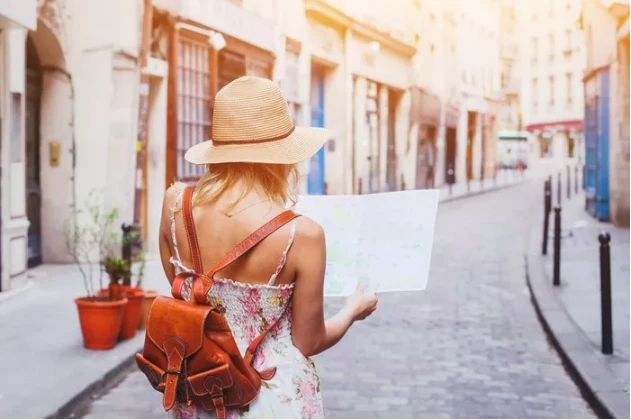

Eastern Europe has become an increasingly popular destination for travelers seeking a combination of rich history, vibrant culture, and affordability. From medieval towns in Hungary to bustling markets in Poland and coastal escapes in Croatia, the region offers a wealth of experiences for a fraction of the cost of Western Europe. With careful planning and insider strategies, you can enjoy a memorable trip while staying on budget. This guide provides 10 essential tips for budget-conscious travelers exploring Eastern Europe in 2026.
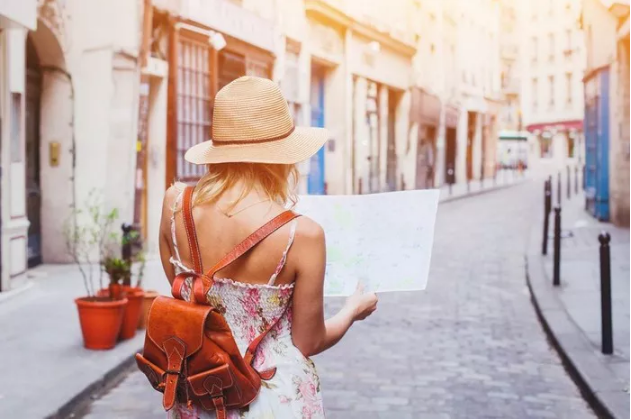
1. Choose Affordable Destinations and Cities
Eastern Europe is home to both cosmopolitan hubs and lesser-known towns, offering options for travelers on all budgets.
Explore Less-Touristy Cities
While capitals like Prague, Budapest, and Kraków attract crowds, smaller cities like Lviv (Ukraine), Timișoara (Romania), or Novi Sad (Serbia) offer similar charm at lower costs. These cities often have affordable accommodations, dining options, and attractions, while providing an authentic experience of local culture.
Prioritize Countries with Lower Living Costs
Countries such as Bulgaria, Romania, and Ukraine are particularly budget-friendly, offering cheap transportation, meals, and lodging. For 2026, consider these destinations to stretch your travel budget without compromising on quality experiences.
Tips for Finding Affordable Destinations
- Research cost-of-living indices online to compare cities.
- Look for local blogs or social media accounts for insider tips.
- Mix popular cities with off-the-beaten-path towns to balance budget and sightseeing.
2. Travel During Off-Peak Seasons
Timing your trip is one of the easiest ways to save money in Eastern Europe.
Avoid Summer Crowds
Peak tourist months (June to August) often come with higher prices for flights, hotels, and attractions. Traveling during shoulder seasons like April–May or September–October allows for lower costs and fewer crowds.
Consider Winter Travel
Winter can be a magical time in Eastern Europe, especially in cities like Prague, Kraków, and Tallinn, with festive markets and snow-covered architecture. While some attractions may have shorter hours, winter offers reduced accommodation rates and off-season discounts.
Tips for Off-Peak Travel
- Check local holidays and festivals to avoid inflated prices.
- Use fare comparison websites to identify the cheapest travel dates.
- Book accommodation early to secure off-season deals.
3. Use Budget Airlines and Regional Transportation
Traveling smartly between countries or cities can save a significant portion of your budget.
Budget Airlines
Eastern Europe is well-served by low-cost carriers such as Wizz Air, Ryanair, and EasyJet. Flights between major cities can sometimes be cheaper than trains or buses if booked in advance.
Trains and Buses
Trains and intercity buses are reliable and affordable options. Many countries offer discount passes or advance booking discounts. For instance, Hungary, Poland, and Czechia provide online tickets at lower rates than purchasing in person.
Tips for Affordable Travel
- Compare airlines and train/bus options using apps like Rome2Rio or Omio.
- Travel overnight on trains or buses to save on accommodation.
- Book tickets in advance to secure the lowest fares.
4. Stay in Budget-Friendly Accommodation
Lodging is often the largest travel expense, but Eastern Europe provides abundant affordable options.
Hostels and Guesthouses
Modern hostels in cities like Bratislava, Sofia, and Riga offer private rooms and family-friendly facilities. Many hostels include breakfast and common areas for socializing.
Budget Hotels and Apartments
Platforms like Airbnb or Booking.com provide cost-effective apartments, often allowing travelers to cook meals and save on dining. Apartments in residential neighborhoods can be cheaper than those in tourist zones.
Tips for Accommodation Savings
- Read reviews to ensure cleanliness and safety.
- Consider longer stays in one location to negotiate discounted rates.
- Look for accommodations with kitchens or complimentary breakfast to reduce food costs.
5. Eat Like a Local
Dining out is one of the most enjoyable ways to experience a new culture, and eating like a local can save money.
Street Food and Markets
Street food is both delicious and affordable. Try local specialties such as pierogi in Poland, goulash in Hungary, or ćevapi in Serbia. Visiting markets also allows you to sample fresh produce and baked goods at low prices.
Local Restaurants and Cafés
Avoid tourist-heavy restaurants in central squares. Instead, explore side streets or residential neighborhoods for authentic and inexpensive meals. Eastern European cuisine is hearty and filling, making it great for travelers on a budget.
Tips for Eating on a Budget
- Ask locals for restaurant recommendations.
- Opt for set menus or lunch specials, often cheaper than dinner.
- Share large portions or street snacks to reduce costs.
6. Take Advantage of Free or Low-Cost Attractions
Many cultural experiences in Eastern Europe can be enjoyed without spending a fortune.
Free Walking Tours
Most major cities, including Prague, Budapest, and Vilnius, offer free walking tours led by knowledgeable guides. While tips are encouraged, these tours are a great way to learn about history and architecture without breaking the bank.
Parks, Gardens, and Public Squares
Eastern Europe is home to beautiful parks, gardens, and plazas. Cities like Warsaw, Sofia, and Tallinn provide scenic locations perfect for relaxing, picnicking, or photography at no cost.
Museums and Cultural Discounts
Many museums offer free entry on specific days or discounted tickets for students, seniors, or early-bird visitors. Plan your itinerary around these opportunities to experience culture affordably.
Tips for Maximizing Free Attractions
- Check official city or museum websites for free-entry days.
- Bring a reusable water bottle and snacks for long walks.
- Download apps or maps to guide self-directed tours.
7. Use Public Transportation Efficiently
Public transport in Eastern Europe is affordable, reliable, and extensive.
Metro, Trams, and Buses
Cities like Budapest, Prague, and Warsaw have extensive metro, tram, and bus networks. Tickets are inexpensive and can often be purchased for multiple days or zones, providing excellent value.
Walking and Cycling
Walking is one of the best ways to explore historic centers, while cities like Kraków, Ljubljana, and Tallinn are bike-friendly, with affordable rental options.
Tips for Public Transport
- Purchase multi-day or multi-ride passes to save money.
- Validate tickets to avoid fines.
- Download city transport apps to navigate routes efficiently.
8. Book Tours and Activities in Advance
Booking tours and activities ahead of time often results in significant savings.
Online Discounts
Many popular attractions, including castle tours, wine tastings, and river cruises, offer online discounts. Booking early also ensures availability, especially during peak travel periods.
Group or Family Discounts
Traveling with friends or family may qualify you for group discounts. Check websites for bundled tickets or combination passes that include multiple attractions at a reduced rate.
Tips for Booking Activities
- Compare prices across official websites and third-party platforms.
- Look for guided tours that include multiple sites to save on individual entry fees.
- Consider self-guided tours with apps or printed guides for flexibility and cost savings.
9. Manage Currency and Payments Wisely
Currency exchange and payment methods can impact your budget if not handled carefully.
Use Local Currency
Paying in local currency avoids additional conversion fees. Many countries, including Poland, Hungary, and Romania, have lower costs when using local cash for small purchases or street food.
Credit and Debit Cards
Cards with no foreign transaction fees are ideal for larger purchases or accommodations. Some locations may prefer cash, so always carry a small amount for smaller vendors or markets.
Tips for Money Management
- Use ATMs affiliated with major banks to avoid high withdrawal fees.
- Track your spending using a travel app or budget planner.
- Consider prepaid travel cards for additional security.
10. Embrace Alternative Experiences
Eastern Europe offers countless ways to enjoy culture and adventure without overspending.
Explore Hidden Gems
Small towns, villages, and off-the-beaten-path destinations often offer cheaper accommodations and attractions than major cities. For example, Český Krumlov in Czechia, Plovdiv in Bulgaria, or Kotor in Montenegro provide charm and history at a fraction of the cost.
Local Festivals and Events
Attend local festivals, fairs, and markets, which are often free or inexpensive. Traditional music, dance, and craft fairs provide an authentic cultural experience that doesn’t strain your budget.
Adventure and Nature
National parks, hiking trails, and coastal regions are often free or inexpensive to explore. Romania’s Carpathians, Slovakia’s High Tatras, and Slovenia’s lakes offer outdoor adventure at low costs.
Tips for Alternative Experiences
- Research off-season events or festivals for fewer crowds and better deals.
- Combine cultural exploration with outdoor activities to diversify experiences.
- Connect with local travel forums or social media groups for insider tips.
Additional Budget Travel Tips for Eastern Europe
Use Travel Apps and Technology
Apps for navigation, translation, budget tracking, and ride-hailing make traveling in Eastern Europe more efficient and affordable. Examples include Rome2Rio, Google Maps offline, and XE Currency Converter.
Pack Smart and Minimize Costs
Avoid baggage fees by packing light and using versatile clothing. Bring reusable water bottles and snacks to save on food purchases.
Stay Flexible and Open to Opportunities
Eastern Europe often rewards travelers who are flexible with itineraries, transport modes, and accommodations. Being open to last-minute deals or alternative destinations can yield both savings and unique experiences.
Learn Basic Local Phrases
Even a few words in the local language (Polish, Hungarian, Romanian, etc.) can help with navigating markets, haggling for prices, and connecting with locals, often resulting in cost savings.
Travel Insurance
While this may seem like an extra expense, travel insurance protects against unexpected costs like medical emergencies, cancellations, or lost belongings. Choosing a policy wisely ensures peace of mind without derailing your budget.
Conclusion
Traveling in Eastern Europe on a budget in 2026 is entirely achievable with careful planning, research, and creativity. By choosing affordable destinations, traveling off-peak, using budget transportation, eating like a local, and exploring free or low-cost attractions, travelers can enjoy rich cultural experiences without overspending. Combining smart money management, advance bookings, and flexible itineraries ensures that your Eastern European adventure is memorable, rewarding, and wallet-friendly. From historic cities to hidden villages, from bustling markets to serene national parks, Eastern Europe offers endless opportunities for affordable exploration, adventure, and cultural enrichment in 2026.
Frequently Asked Questions
What are the most affordable countries to visit in Eastern Europe?
Some of the most budget-friendly countries include:
- Bulgaria (Sofia, Plovdiv, Black Sea coast)
- Romania (Bucharest, Transylvania, Carpathian Mountains)
- Ukraine (Lviv, Kyiv, Odessa)
- Poland (Kraków, Warsaw, Gdańsk)
- Serbia (Belgrade, Novi Sad)
These destinations offer low accommodation, food, and transportation costs while still providing rich cultural and historical experiences.
When is the best time to travel to Eastern Europe on a budget?
Shoulder seasons: April–May and September–October offer mild weather and lower prices.
Winter: December–February provides off-season deals on hotels and flights, and festive holiday markets.
Avoid July–August peak tourist months, when prices are highest.
How can I save money on flights to Eastern Europe?
Use budget airlines like Wizz Air, Ryanair, or EasyJet for regional flights.
Book tickets well in advance to secure the lowest fares.
Compare prices across multiple booking platforms and flexible dates.
What is the cheapest way to travel between Eastern European cities?
Trains and intercity buses are reliable and affordable.
Overnight trains and buses save on accommodation costs.
Budget airlines can be cheaper for longer distances if booked early.
Are there affordable accommodation options in Eastern Europe?
Yes. Options include:
Hostels and budget hotels with private or shared rooms.
Guesthouses or apartments on Airbnb for longer stays.
Booking in residential neighborhoods is often cheaper than tourist centers.
How can I eat cheaply in Eastern Europe?
Try local street food, markets, and bakeries for affordable meals.
Eat at cafés and restaurants outside major tourist areas.
Take advantage of lunch specials or set menus.
Are free attractions available in Eastern Europe?
Many attractions are free or inexpensive:
Walking tours in most major cities (tip-based)
Parks, gardens, and public squares
Free-entry days at museums or historical sites
How can I save money on local transportation?
Purchase multi-day or multi-ride metro, tram, or bus passes.
Walk in historic city centers whenever possible.
Rent bicycles in bike-friendly cities to save on transport and see more.
Should I use cash or cards while traveling?
Use local currency for markets and small purchases to avoid fees.
Credit/debit cards with no foreign transaction fees are ideal for hotels or larger purchases.
Always carry some cash, especially in smaller towns.
Are there hidden costs to watch for when traveling on a budget?
Tourist tax or city tax at hotels.
Entry fees for attractions not included in passes.
Foreign transaction fees for card use or ATM withdrawals.
Can I travel safely on a tight budget in Eastern Europe?
Yes. Eastern Europe is generally safe for travelers. Standard precautions include:
Keep an eye on belongings in crowded areas.
Avoid poorly lit streets at night.
Use official transport and reputable accommodation providers.
How can I make my trip more affordable without missing experiences?
Mix popular cities with smaller towns for lower costs.
Plan ahead and book tours, flights, and accommodations online.
Take advantage of free walking tours, markets, and cultural events.
Use apps to track spending and find deals.






Sign in to leave a comment.