
Aluminium sand casting remains one of the most reliable and versatile manufacturing processes for producing metal components with complex geometries. Despite the rise of advanced manufacturing techniques such as 3D printing and CNC machining, aluminium sand casting continues to hold a vital place in industries ranging from automotive and aerospace to marine and industrial machinery.
What is Aluminium Sand Casting?
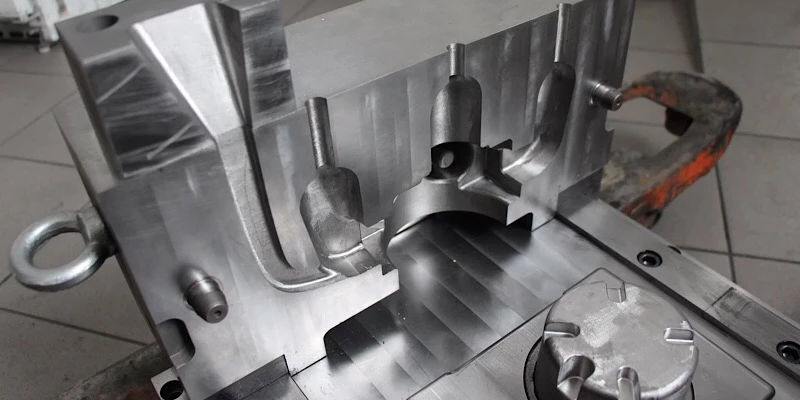
Sand casting is a process in which molten aluminium is poured into a sand mold to form a specific shape. The sand mold is created by packing sand around a pattern — a replica of the final part. Once the mold is complete, the pattern is removed, leaving a cavity in the shape of the desired component. Molten aluminium is then poured into this cavity. After the metal solidifies, the sand mold is broken away to reveal the cast aluminium part.
This method allows for the creation of components with complex internal geometries, making it ideal for low- to medium-volume production runs and prototyping.
Why Choose Aluminium?
Aluminium is a favored material in sand casting due to its excellent strength-to-weight ratio, corrosion resistance, and thermal conductivity. These properties make it suitable for components that require lightweight construction and durability — such as engine blocks, transmission housings, pump components, and brackets.
Furthermore, aluminium’s ability to fill intricate mold cavities with fine detail makes it ideal for custom or detailed castings.
Advantages of Aluminium Sand Casting
- Cost-Effective for Low Volume Runs: Compared to die casting or machining, sand casting requires relatively low tooling costs, making it an economical option for small to medium production quantities.
- Design Flexibility: Complex geometries, internal cavities, and varying wall thicknesses can all be achieved with sand casting.
- Fast Turnaround for Prototypes: Because patterns can be made quickly and the molds are disposable, aluminium sand casting allows for quick prototyping and iterative design changes.
- Recyclability: Aluminium is 100% recyclable without loss of properties. Many foundries use recycled aluminium, reducing environmental impact.
Challenges and Considerations
While sand casting offers many advantages, it also comes with some limitations. Surface finish and dimensional accuracy are generally lower compared to processes like die casting. However, post-processing such as machining or surface treatments can help achieve tighter tolerances and better aesthetics.
Another consideration is the quality of the sand mold itself — improper mold design or poor sand quality can lead to casting defects such as porosity, incomplete filling, or surface irregularities.
Conclusion
Aluminium sand casting continues to be a cornerstone of modern manufacturing due to its affordability, flexibility, and suitability for both functional and aesthetic components. Whether you're developing a prototype or producing a low-volume run of complex parts, this process offers a reliable path from concept to reality.
As the demand for lightweight and efficient metal parts grows, aluminium sand casting is poised to remain a go-to solution — blending tradition with innovation in the world of metal manufacturing.










Sign in to leave a comment.