
Interviews can be daunting, but they’re also your opportunity to showcase your skills, experiences, and personality to potential employers. Whether it’s your first interview or you’re a seasoned pro, understanding the key elements of successful interviewing is crucial for landing the job you want. In this article, we’ll explore effective strategies that can help you stand out from the competition and increase your chances of success.
1. Preparation is Everything
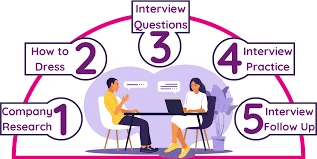
Effective interview preparation goes far beyond just researching the company and reading through the job description. In fact, the more prepared you are, the more confident you’ll feel when the interview begins. Preparation is an ongoing process that involves several crucial steps, and each step will make you feel more in control and capable of nailing the interview.
Why It Matters:
Preparation builds confidence. The more you know about the company and the role, the more naturally you can converse about your fit for the position. Additionally, when you’ve prepared thoroughly, you’ll feel ready for any questions the interviewer throws your way.
Key Steps for Preparation:
- Know the Company Inside and Out: Beyond the basic facts, understand their culture, mission, values, recent news, and challenges they face. The more in-depth your knowledge, the more impressive you’ll appear.
- Understand the Job Requirements: Align your skills with the requirements of the position. Think about the experience you have that directly ties into the job responsibilities.
- Prepare Your Own Questions: Employers expect candidates to ask questions. These questions show your interest in the company and the role. Be sure to ask insightful questions that help you assess if the company is a good fit for you as well.
2. Master the First Impressions
First impressions are made within the first 30 seconds of meeting someone, and interviews are no exception. How you present yourself physically, emotionally, and mentally in the first moments of the interview can set the tone for the rest of the conversation.
Why It Matters:
The first impression creates a lasting impact. If you come across as confident, respectful, and eager, it can make the rest of the interview process much smoother. On the other hand, negative first impressions can make it difficult to recover.
How to Nail the First Impression:
- Dress Appropriately: Your attire should reflect the culture of the company. For more formal environments, business attire is expected; for creative or startup companies, smart casual may be more fitting.
- Be Punctual: Arriving on time shows professionalism. Arriving too early can be just as bad as arriving late, so aim to arrive about 10-15 minutes before your scheduled time.
- Exude Positive Body Language: A firm handshake, maintaining eye contact, and sitting upright are all key indicators of confidence. Positive body language also makes you appear more engaged and interested in the conversation.
3. Sell Yourself, Not Just Your Skills
It’s easy to list off your qualifications and skills, but the best candidates sell themselves. Your ability to convey your passion for the role, explain your value, and demonstrate enthusiasm can set you apart from others with similar qualifications.
Why It Matters:
Interviewers are not just hiring for skills—they’re hiring for potential, personality, and cultural fit. They want someone who will add value and thrive in the company’s environment, so selling your “why” is just as important as selling your “how.”
How to Sell Yourself:
- Tell Stories, Not Just Facts: Instead of saying, “I’m a great team player,” give examples of times when you worked collaboratively to solve a problem.
- Show Your Enthusiasm: Employers want to hire people who are excited about the opportunity. Show that you’re eager to take on the role and that you’re passionate about the company’s mission.
- Demonstrate Your Impact: Go beyond listing your responsibilities—talk about how you made a difference. Did you improve efficiency, reduce costs, or boost sales? Numbers speak louder than words.
4. Master Behavioral and Situational Questions
Behavioral and situational questions are designed to gauge how you handle specific situations in the workplace. Employers are trying to predict how you will react to challenges, problem-solving situations, and your ability to fit within the team dynamic.
Why It Matters:
These questions can be tricky, but they provide an opportunity to showcase your problem-solving and interpersonal skills. By preparing for these questions, you demonstrate that you can effectively handle the challenges the role presents.
How to Handle Behavioral Questions:
- Use the STAR Method: When answering these questions, structure your responses using the STAR method—Situation, Task, Action, Result. This gives clear, concise answers that focus on the outcome.
- Be Specific: Avoid vague responses. Focus on real examples from your past experience. Instead of saying “I handled it well,” explain exactly what you did and how it benefited the team.
- Don’t Hesitate to Highlight Failures: If you were asked about a mistake or failure, talk about how you learned from it. Employers appreciate candidates who can take accountability and grow from setbacks.
5. Handle Tough or Unexpected Questions Gracefully
Occasionally, interviewers may throw a curveball question your way to test how you handle pressure or to assess your critical thinking skills. While these questions might seem unusual, the key is staying calm and composed.
Why It Matters:
Handling tough questions with grace demonstrates your ability to think on your feet and handle pressure. The way you respond also shows your maturity and professionalism.
How to Answer Tough Questions:
- Stay Calm and Take Your Time: If the question is unexpected, don’t panic. Take a deep breath and pause before answering. This will give you time to gather your thoughts and formulate a clear response.
- Be Honest, But Strategic: If you don’t know the answer to a technical question, it’s okay to admit it. However, offer a related skill or knowledge that may show your ability to quickly learn.
- Redirect If Necessary: If you’re asked an inappropriate or overly personal question, it’s okay to politely redirect. You can acknowledge the question and steer it toward a relevant discussion.
6. Close Strong with a Call to Action
The interview may be wrapping up, but this is your last chance to reinforce why you’re the best candidate for the job. It’s important to leave a lasting impression by closing the conversation confidently and with a clear call to action.
Why It Matters:
A strong closing allows you to reaffirm your interest in the role and remind the interviewer of your qualifications. It can also provide a final opportunity to address any potential concerns the interviewer may have.
How to Close the Interview:
- Reaffirm Your Interest: Say something like, “I’m excited about the possibility of joining your team and contributing to the company’s goals.”
- Summarize Why You’re the Right Fit: Take a moment to briefly restate your qualifications and how they align with the role.
- Ask About Next Steps: End with a question like, “What are the next steps in the hiring process?” This shows that you’re eager and proactive.
7. Follow Up with Gratitude
Sending a post-interview thank you note is a simple but effective way to demonstrate your professionalism and appreciation for the opportunity. A well-crafted thank you note can reinforce your interest in the role and make you stand out.
Why It Matters:
A thank you note is a polite gesture that shows you’re considerate and professional. It also gives you another opportunity to express your enthusiasm for the job.
How to Write a Thank You Note:
- Be Prompt: Send your thank you note within 24 hours of the interview.
- Personalize It: Reference something specific you discussed during the interview to make the note more meaningful.
- Express Gratitude: Thank the interviewer for their time and reiterate your interest in the position.
Conclusion
An interview is your chance to shine and show the employer why you’re the perfect fit for the role. With proper preparation, a strong first impression, and effective communication, you can set yourself apart from other candidates. Remember, interviews are not just about showcasing your skills but also about demonstrating your enthusiasm, cultural fit, and problem-solving abilities. By following these strategies, you’ll be well on your way to acing the interview and landing your next great opportunity.












Sign in to leave a comment.