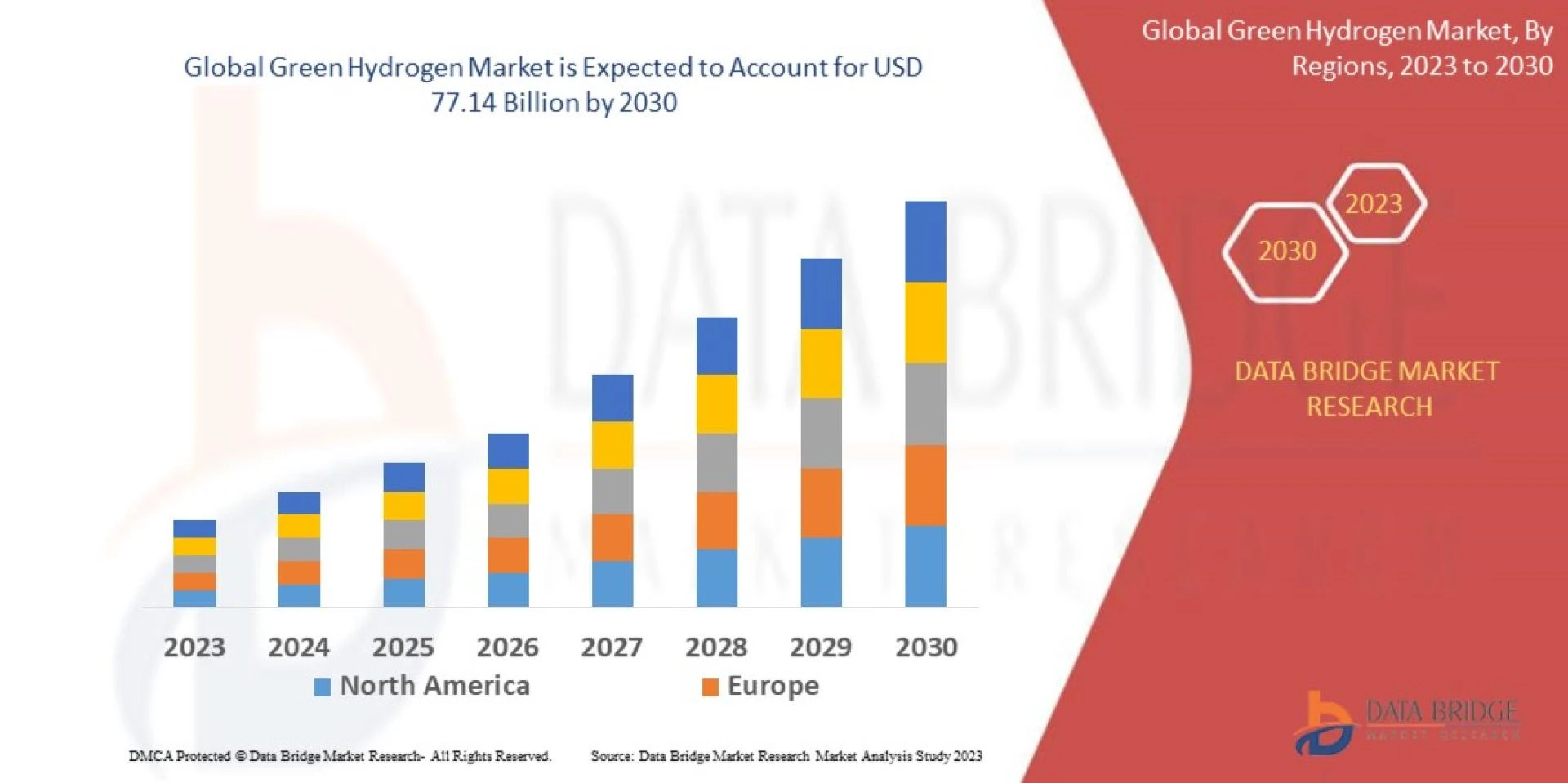

Introduction:
In the quest for sustainable and clean energy sources, the spotlight has shifted to the promising realm of green hydrogen. This revolutionary energy carrier has emerged as a beacon of hope in the transition towards a low-carbon future. In this comprehensive guest post, we embark on a journey through the various facets of green hydrogen, exploring its definition, key segments, evolutionary milestones, current trends, and the factors propelling its exponential growth.
Definition:
Green hydrogen, often hailed as the holy grail of sustainable energy, is produced through the electrolysis of water using renewable energy sources. Unlike conventional hydrogen production methods that rely on fossil fuels, green hydrogen leverages solar, wind, or hydropower to split water molecules into hydrogen and oxygen. The result is a clean and versatile energy carrier that holds immense potential to reshape the global energy landscape.
Segments:
Green hydrogen finds application across diverse sectors, each contributing to its widespread adoption. The primary segments include:
Energy Production: Green hydrogen serves as an excellent storage medium for renewable energy. Excess energy generated from intermittent sources like wind and solar can be converted into hydrogen during surplus periods and stored for later use, addressing the intermittency challenge.
Transportation: The transportation sector is undergoing a green transformation with the integration of hydrogen fuel cells. Green hydrogen-powered vehicles, from cars to buses and trucks, are increasingly becoming a viable and eco-friendly alternative to traditional fossil fuel-powered vehicles.
Industrial Processes: Industries, particularly those with high-temperature and high-energy demand processes, can replace traditional fossil fuels with green hydrogen, reducing carbon emissions significantly. Applications range from steel and cement production to chemical manufacturing.
The Evolution:
The journey of green hydrogen from a conceptual idea to a practical solution has been marked by significant milestones:
Emergence of Electrolysis Technologies: The development of efficient and cost-effective electrolysis technologies has been a game-changer. Advanced electrolyzers are now capable of producing hydrogen at scale, making green hydrogen economically competitive with conventional methods.
Infrastructure Development: The establishment of a robust hydrogen infrastructure is crucial for the widespread adoption of green hydrogen. Countries and companies are investing heavily in building the necessary infrastructure, including hydrogen production facilities, storage solutions, and distribution networks.
Trends:
Several trends are shaping the current landscape of green hydrogen:
Cost Reduction and Economies of Scale: As technology advances and production scales up, the cost of green hydrogen is steadily decreasing. Economies of scale and innovation in electrolyzer technologies are contributing to making green hydrogen more cost-competitive.
Policy Support and Regulations: Governments worldwide are recognizing the potential of green hydrogen and implementing supportive policies and regulations. Incentives, subsidies, and mandates are driving investments in green hydrogen projects, fostering a conducive environment for its growth.
Factors Driving Growth:
Climate Change Imperative: The urgent need to mitigate climate change is a primary driver for the adoption of green hydrogen. As nations commit to reducing carbon emissions, green hydrogen offers a scalable and sustainable solution to decarbonize various sectors.
Energy Security and Independence: Green hydrogen plays a pivotal role in enhancing energy security by diversifying energy sources. Countries are increasingly investing in domestic green hydrogen production to reduce dependence on imported fossil fuels.
Technological Advancements: Ongoing research and development in electrolysis technologies, storage solutions, and hydrogen applications are accelerating the pace of green hydrogen adoption. Breakthroughs in materials science and engineering are contributing to increased efficiency and cost-effectiveness.
Conclusion:
In conclusion, the green hydrogen revolution is gaining momentum as a key player in the transition to a sustainable and low-carbon energy future. Defined by its diverse applications, technological evolution, and current trends, green hydrogen stands as a beacon of hope in the fight against climate change. With supportive policies, technological innovations, and a growing awareness of its potential, green hydrogen is poised to reshape the global energy landscape and usher in a new era of clean and sustainable energy. As we navigate the challenges of the present, green hydrogen offers a promising path towards a greener and more resilient future.










Sign in to leave a comment.