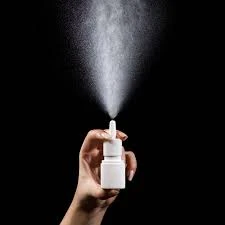

As the world continues to grapple with the COVID-19 pandemic, the importance of effective preventive measures cannot be overstated. Alongside vaccines, masks, and hand hygiene, another tool has emerged in the fight against the spread of the virus: COVID sprays. These sprays claim to provide an additional layer of protection by killing or neutralizing the virus on surfaces. But what exactly are COVID sprays, and how effective are they? In this article, we\'ll explore the science behind COVID sprays and evaluate their effectiveness in combating the spread of the virus.
Understanding COVID Sprays
COVID sprays, also known as disinfectant sprays or surface sanitizers, are products designed to kill or deactivate the SARS-CoV-2 virus, which causes COVID-19. These sprays typically contain active ingredients known for their antimicrobial properties, such as alcohol, hydrogen peroxide, quaternary ammonium compounds (quats), or chlorine-based compounds.
The primary goal of COVID spray is to disinfect surfaces that may harbor the virus, including countertops, doorknobs, light switches, and other high-touch surfaces. By eliminating the virus on surfaces, COVID sprays aim to reduce the risk of transmission through contact with contaminated objects.
The Science Behind COVID Sprays
The effectiveness of COVID sprays in killing or neutralizing the SARS-CoV-2 virus relies on the active ingredients they contain and their ability to disrupt the virus\'s structure and function. Here\'s a brief overview of how some common active ingredients work:
Alcohol: Alcohol-based disinfectants, such as ethanol or isopropyl alcohol, are known for their rapid antimicrobial activity. Alcohol works by denaturing proteins and disrupting the lipid membrane of the virus, effectively killing it on contact. Solutions containing at least 60% alcohol are recommended for disinfecting surfaces against SARS-CoV-2.
Hydrogen Peroxide: Hydrogen peroxide is a powerful oxidizing agent that can effectively kill a wide range of pathogens, including viruses and bacteria. When applied to surfaces, hydrogen peroxide generates reactive oxygen species that damage the virus\'s genetic material and protein structure, rendering it inactive.
Quaternary Ammonium Compounds (Quats): Quats are commonly used as disinfectants and can effectively kill enveloped viruses like SARS-CoV-2. These compounds disrupt the lipid envelope surrounding the virus, preventing it from infecting host cells. Quats are often found in surface disinfectants and cleaners.
Chlorine-Based Compounds: Chlorine-based disinfectants, such as bleach (sodium hypochlorite), are highly effective at killing a variety of pathogens, including viruses. Chlorine works by damaging the virus\'s genetic material and protein structure, leading to its inactivation.
Effectiveness of COVID Sprays
The effectiveness of COVID sprays in killing or neutralizing the SARS-CoV-2 virus depends on various factors, including the type and concentration of active ingredients, contact time, and proper application techniques. When used correctly, COVID sprays can be an effective tool for reducing the risk of surface transmission of the virus.
It\'s important to note that COVID sprays are designed for use on surfaces and should not be used on the skin or ingested. Additionally, while COVID sprays can help reduce the risk of surface transmission, they should be used in conjunction with other preventive measures, such as mask-wearing, hand hygiene, and social distancing, to provide comprehensive protection against COVID-19.
Key Considerations When Using COVID Sprays
When using COVID sprays, it\'s essential to follow these key considerations to ensure their effectiveness and safety:
Read and Follow Instructions: Carefully read and follow the instructions provided on the product label, including recommended contact time, proper application techniques, and any safety precautions.
Use in Well-Ventilated Areas: COVID sprays should be used in well-ventilated areas to minimize inhalation of fumes and ensure proper dispersal of the disinfectant.
Avoid Mixing Chemicals: Avoid mixing different types of disinfectants or cleaning products, as this can produce harmful fumes or reduce the effectiveness of the disinfectants.
Wear Personal Protective Equipment (PPE): When using COVID sprays, wear appropriate personal protective equipment, such as gloves and eye protection, to prevent skin and eye irritation.
Store Safely: Store COVID sprays out of reach of children and pets in a cool, dry place away from direct sunlight and heat sources.
Conclusion
COVID sprays can be a valuable tool in the fight against the spread of COVID-19, providing an additional layer of protection by disinfecting surfaces. By understanding the science behind COVID sprays and following proper usage guidelines, individuals can effectively reduce the risk of surface transmission and help keep themselves and others safe during the pandemic. However, it\'s essential to remember that COVID sprays should be used in conjunct











Sign in to leave a comment.