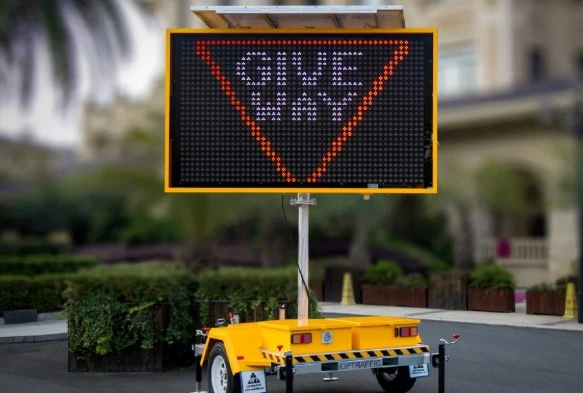

Variable Message Sign (VMS) trailers have become an indispensable tool for communicating important information in high-traffic areas. Whether it’s alerting drivers to construction zones, traffic detours, or special events, a VMS trailer provides a mobile and highly visible solution that can reach thousands of people daily. Their portability, combined with clear digital displays, makes them ideal for temporary or semi-permanent deployments.
The ability to deliver real-time messaging is a key advantage of VMS trailers. Unlike static signage, these trailers allow for quick updates, ensuring the public receives timely and accurate information. This flexibility is crucial in areas with changing traffic patterns, emergency situations, or event-specific requirements.
Key Factors to Consider for Optimal Visibility
Maximising the effectiveness of your VMS trailer involves more than just placement. Several factors contribute to optimal visibility and message comprehension.
Strategic Placement
Placing your VMS trailer where drivers have sufficient reaction time is critical. Signs should be positioned well in advance of the point of action—such as an exit, lane merge, or construction area—so motorists can safely respond. Avoid obstructed views caused by buildings, trees, or parked vehicles. High-traffic areas like major intersections, freeway entrances, or pedestrian-heavy zones are prime locations for deploying VMS trailers.
Height and Angle
The height and angle of the trailer display influence how quickly and easily the message can be read. The screen should be elevated enough to avoid obstructions, yet low enough for drivers to glance at it comfortably. Adjusting the tilt can reduce glare from sunlight or artificial lighting, improving legibility.
Brightness and Contrast
Modern VMS trailers feature LED displays with adjustable brightness. Setting the correct brightness ensures visibility in different lighting conditions, from bright sunlight to nighttime settings. High contrast between text and background enhances readability, especially for essential warnings or directional instructions.
Message Design
Effective messaging on a VMS trailer follows specific guidelines:
- Keep it Short: Limit text to a few words per message to ensure quick comprehension.
- Use Clear Fonts: Simple, sans-serif fonts increase readability at a distance.
- Use Colours Strategically: Standardised colour codes, such as yellow for caution and red for warnings, help convey urgency.
- Include Symbols: When appropriate, use universally recognised symbols to enhance understanding.
By following these design principles, a VMS trailer can communicate complex information quickly and efficiently.
Leveraging Technology for Real-Time Updates
One of the main advantages of VMS trailers is their ability to deliver real-time updates. Operators can remotely modify messages based on changing conditions, such as sudden road closures, weather alerts, or event schedules. Integration with traffic management systems or mobile applications ensures that the information is always accurate and timely.
For event organisers, combining VMS trailers enhances crowd guidance, parking instructions, and emergency notifications. The synergy between portable VMS displays and event-specific screens creates a comprehensive information system for high-traffic situations.
Maintenance and Safety Considerations
To maintain visibility and reliability, regular maintenance is essential. Check LED panels, electrical connections, and the trailer structure periodically. Ensuring that all safety lights, reflectors, and stabilisers function correctly is crucial for both visibility and compliance with transportation regulations.
Proper setup also includes securing the trailer to prevent accidental tipping or movement, particularly in areas prone to high wind or heavy traffic. Well-maintained VMS trailers project professionalism and reliability, increasing public trust in the information displayed.
Practical Tips for Deployment
- Scout the Area: Conduct a site visit to identify optimal placement for maximum visibility.
- Test Visibility: View the trailer from different distances and angles to ensure messages are easily readable.
- Schedule Updates: Plan message rotation and timing to maintain driver attention and avoid overloading them with information.
- Coordinate with Local Authorities: Ensure compliance with traffic laws and obtain any necessary permits for deployment.
By following these practical tips, operators can ensure that their VMS trailer serves its intended purpose efficiently.
Conclusion
A VMS trailer is an effective tool for enhancing visibility and delivering important messages in high-traffic areas. Strategic placement, optimal height and angle, proper brightness, and concise messaging all contribute to its effectiveness. Maintenance and safety considerations further ensure reliable operation and public trust.
For event organisers and traffic managers alike, integrating mobile VMS trailers with LED screens for events provides a comprehensive solution for real-time communication, crowd guidance, and safety alerts. By following best practices, VMS trailers can maximise their impact and ensure that your messaging reaches its audience clearly and effectively.










Sign in to leave a comment.