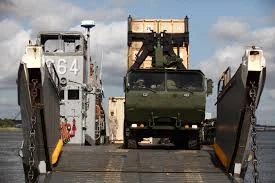

In military operations, the importance of weapon transport and logistics cannot be overstated. Whether in times of peace or conflict, the movement of weapons and ammunition is critical for ensuring that armed forces remain equipped and ready for action. From the initial stage of manufacturing to the final delivery to the front lines, weapon transport and logistics involves a carefully coordinated process that ensures weapons are available when and where they are needed. In this blog, we’ll dive into the complexities of weapon transport and logistics, its challenges, and the key strategies used to manage the transportation of these essential resources.
The Importance of Weapon Transport and Logistics
Weapons and ammunition are integral to military strength. Ensuring these resources are moved safely, efficiently, and securely across various terrains and environments is essential for mission success. Effective weapon transport and logistics ensures that forces are not only equipped with the right weapons but also receive timely deliveries in critical situations. Proper logistical management minimizes the risk of equipment shortages, delays, or misplacement, which could severely impact operational readiness.
Whether it's transporting light firearms or heavy artillery, weapons must be handled with great care to prevent damage and ensure they remain in proper working order. Moreover, the movement of these weapons is often conducted under challenging conditions, including rough terrain, adverse weather, or conflict zones, making weapon transport and logistics even more complex.
Key Aspects of Weapon Transport and Logistics
Planning and Coordination
The first step in any weapon transport and logistics operation is careful planning. This involves coordinating the movement of weapons and ammunition from their point of origin—be it a manufacturer, warehouse, or armory—through various channels to their final destination. Effective planning also includes determining the most efficient routes, whether by land, air, or sea, and ensuring that vehicles and crews are prepared for the journey.
In some cases, weapons need to be transported across international borders, requiring the involvement of customs, security agencies, and adherence to international laws regarding weaponry transport.
Security Measures
Security is paramount when it comes to weapon transport and logistics. Weapons and ammunition are high-value, high-risk assets, and ensuring their safe transit is essential to prevent theft, sabotage, or misappropriation. Military convoys often include armed escorts to protect shipments, and additional security measures, such as encrypted communication and surveillance, are put in place to monitor the cargo during transport.
Additionally, transport vehicles are designed to prevent unauthorized access and ensure that weapons are safely locked and stored during transit. For high-value or sensitive shipments, transportation can also involve airlifts or specialized armored vehicles.
Packaging and Handling
Proper packaging is a crucial aspect of weapon transport and logistics. Weapons must be securely packed to prevent damage during handling, loading, unloading, and transit. Sensitive equipment like explosives or high-caliber ammunition requires extra precautions to prevent accidents.
Packaging materials must adhere to safety standards, and, in some cases, weapons are shipped with additional protective coatings to prevent corrosion or wear during extended transport. Specific storage solutions, such as climate-controlled containers, may also be necessary for certain types of weapons or ammunition.
Transport Modes
Depending on the distance, terrain, and urgency, weapons may be transported using different modes of transport. The most common methods include:
Land Transport: Trucks, military vehicles, and armored convoys are often used for transporting weapons over land. These vehicles are equipped to handle heavy loads and provide necessary protection during transit.
Air Transport: For rapid deployment or international shipments, air transport may be required. Airplanes or helicopters can quickly move weapons to remote areas or conflict zones.
Sea Transport: For long-distance shipments, particularly across oceans or to remote bases, ships are used. Naval vessels are equipped to handle large quantities of weapons and ammunition and offer the added benefit of security against piracy or threats at sea.
Regardless of the mode of transport, the vehicles and crews involved are specifically trained to handle the sensitive nature of the cargo.
Regulatory Compliance
Compliance with both domestic and international laws is a critical part of weapon transport and logistics. Each country has its own regulations governing the transport of firearms, ammunition, and other weapons, and international treaties such as the Arms Trade Treaty (ATT) also place restrictions on cross-border weapon shipments.
Weapons shipments must be accompanied by the proper documentation, including permits, licenses, and customs declarations, to ensure compliance with local and international laws. Failure to adhere to these regulations can lead to legal consequences, including fines, confiscation of weapons, and delays in transport.
Tracking and Inventory Management
One of the key challenges in weapon transport and logistics is maintaining accurate records and ensuring that weapons are tracked throughout the transportation process. Modern logistics operations often rely on sophisticated tracking systems, including GPS and RFID technology, to monitor the location and condition of weapons during transit.
Inventory management systems are used to keep detailed records of shipments, including quantities, types of weapons, and expected delivery times. This ensures that shipments are delivered as planned and helps prevent the misplacement or loss of weapons during the process.
Timely Delivery
The speed of weapon transport is often critical to the success of military operations. Delays in the delivery of weapons can impact readiness and leave armed forces vulnerable. As such, weapon transport and logistics operations must be well-organized to ensure that deliveries are made on time, especially in emergency or high-stakes situations.
In some cases, specialized forces, such as rapid-response units or airlift divisions, are deployed to ensure that weapons are delivered quickly and efficiently to the right location, often in the middle of a conflict or during a humanitarian crisis.
Challenges in Weapon Transport and Logistics
Security Threats
One of the major challenges in weapon transport and logistics is the threat of interception or attack. Transport convoys may be ambushed by enemy forces, or weapons may be stolen in transit. This requires constant vigilance and strategic planning to protect shipments.
Environmental Factors
Harsh weather, rugged terrain, or remote locations can pose difficulties for transporting weapons, particularly in areas with limited infrastructure. Adverse environmental conditions may also require specialized vehicles or equipment to ensure that the transport process remains safe and effective.
Regulatory Hurdles
Navigating the complex web of international, national, and regional regulations regarding weapon transport can be a time-consuming and legally sensitive process. Countries may have different laws regarding what types of weapons can be shipped and under what conditions, making the logistics process more complicated.
Cost Considerations
The cost of weapon transport can be significant, especially for large shipments or specialized equipment that requires customized packaging or transport vehicles. Budget constraints can affect the speed, mode, and efficiency of weapon logistics, leading to delays or the need for alternative solutions.
Conclusion
Weapon transport and logistics play a vital role in maintaining military readiness and operational success. The secure, efficient, and timely movement of weapons ensures that armed forces have the necessary tools to carry out their missions, whether in times of conflict or peacekeeping operations. While it presents numerous challenges, with careful planning, coordination, and a focus on security, weapon transport and logistics ensures that military personnel are always ready to engage when needed, with the right resources at their disposal.
Like
Share
Copy Link









Sign in to leave a comment.