
A new way to look at your trees
When you walk through your yard, you probably notice the basics — the shade, the branches, the leaves turning color. You see a tree as part of your landscape. But to a professional tree doctor, or arborist, a tree is a living record of stress, growth, and silent warnings. What looks fine to you might be telling a story of decay or imbalance.
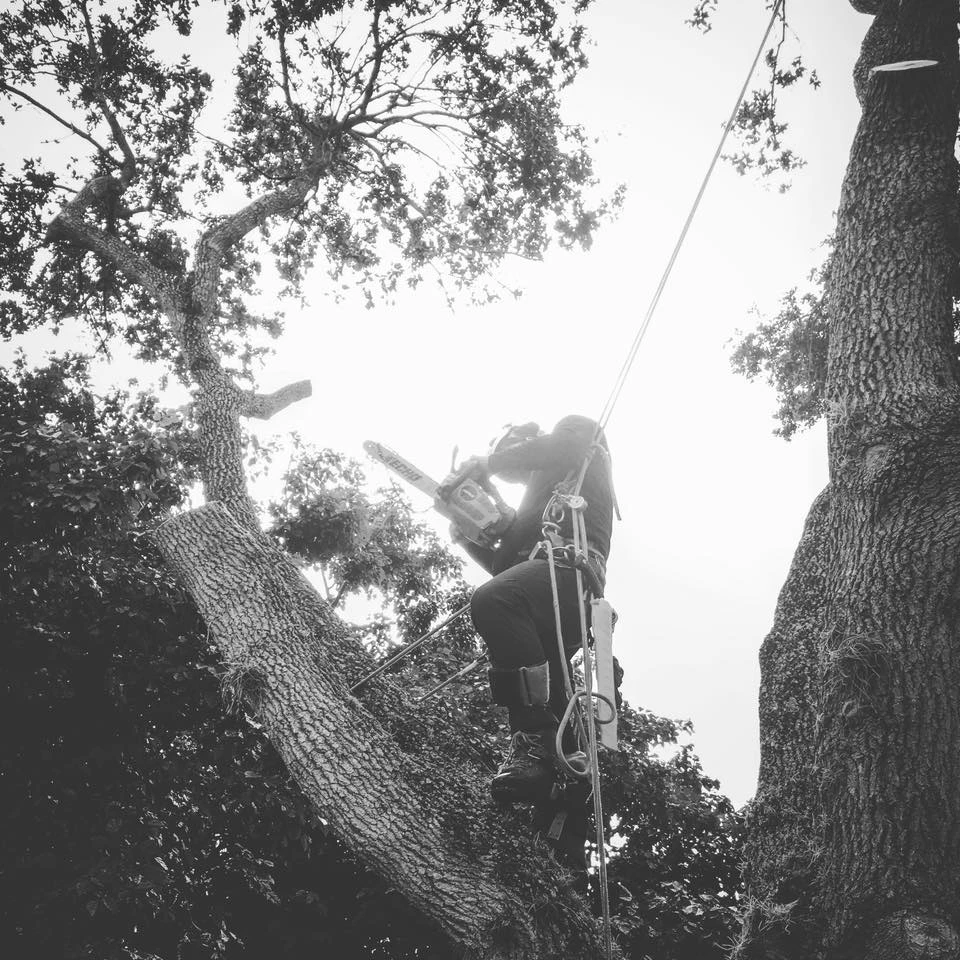
That’s where expertise makes all the difference. A trained arborist in Miami can read what most homeowners miss — the early signs of trouble that appear long before a branch falls or a trunk splits. What they see isn’t just bark and leaves, but the entire system at work beneath your feet.
Seeing trees through their eyes changes how you care for your property. It’s not about fixing what’s broken; it’s about noticing what’s about to break.
Why a healthy-looking tree can still be in danger
Most homeowners think green leaves mean a healthy tree. But color alone doesn’t tell the whole story. A tree can look fine on the outside while hollow or decaying inside. Arborists often find:
- Root rot: The base looks solid, but moisture and fungi can eat away roots underground.
- Trunk decay: Cavities can form within the core, weakening the structure even if bark appears normal.
- Canopy imbalance: Uneven growth creates stress on limbs that the eye doesn’t catch until cracks appear.
The danger is subtle — it builds over seasons. That’s why a sudden storm can topple what seemed like a strong tree.
The hidden life under the soil
What happens above ground is only half the picture. Beneath the surface, roots anchor and feed the tree. If the soil is compacted, poorly drained, or stripped of nutrients, the roots can’t function properly. Arborists check for these hidden conditions before symptoms even show.
Soil compaction from heavy equipment or foot traffic chokes oxygen flow. Roots start dying off in patches, and water absorption declines. You might see slow growth or yellowing leaves months later, but the real issue started underground long before.
Professionals test soil density and moisture balance, something most homeowners never think about. That’s the silent battle for tree health — fought where you can’t see it.
Why pruning isn’t as simple as cutting branches
It’s easy to grab a saw and trim a few limbs when they hang too low. But improper pruning does more harm than good. Each cut opens a wound. If made in the wrong place or at the wrong time, that wound becomes an entry point for decay and insects.
Arborists understand how trees heal — or fail to heal — after cutting. They know which branches to remove to improve airflow and light without weakening the overall structure. Their cuts are strategic, designed to shape the tree’s future, not just clean up its present.
Homeowners often prune too much or too little. Either mistake can cause stress that shows months later as dieback or unbalanced growth.
The small signs that tell big stories
What looks minor to you — a thin crack, a patch of missing bark, or a cluster of mushrooms near the roots — can signal deep problems. Arborists are trained to read these signs like a detective reads clues.
- Cracks may indicate internal pressure or trunk weakness.
- Fungal growth near the base often points to internal decay.
- Sudden leaf loss on one side could mean root damage beneath that area.
These details matter. A single overlooked symptom today can become a fallen branch or collapsed tree tomorrow.
The risk to people and property
When a tree fails, it rarely gives much warning. Falling branches or uprooted trunks can damage homes, vehicles, or even injure someone nearby. And insurance companies often view tree neglect as homeowner responsibility.
Regular inspections by a professional reduce that risk. They can detect leaning, weak roots, or structural stress early and recommend safe, practical solutions. It’s not only about aesthetics — it’s about protecting what’s under and around that tree.
The balance between saving and removing
Not every unhealthy tree needs to go. A skilled arborist weighs how much life the tree still has left. Sometimes cabling, bracing, or selective pruning can stabilize it. In other cases, removal is the safer, more cost-effective choice.
Homeowners often wait too long, hoping the tree will recover on its own. By then, decay or root damage is beyond saving. Acting sooner gives you more options — and often saves money in the long run.
How seasonal changes reveal hidden issues
Every season gives clues about your tree’s condition. In spring, uneven leaf growth might point to poor circulation in the roots. In summer, scorched or thinning leaves can mean stress or disease. Autumn reveals structural issues when leaves drop, exposing branch alignment. Winter freezes often show cracks or bark separation.
Arborists track these patterns across the year. What you see as seasonal variation, they interpret as health data. They read your trees like doctors read vital signs.
The value of preventive care
The goal isn’t to react after a problem, but to stay ahead of it. A yearly tree health check can catch early disease, nutrient deficiency, or pest invasion before visible damage spreads. It’s the same logic as a medical check-up — prevention costs less than repair.
Preventive tree care includes:
- Annual pruning to maintain structure and airflow
- Soil conditioning and mulching to protect roots
- Pest and disease inspections before outbreaks spread
- Early removal of weak or dead branches
Consistent attention builds long-term health and reduces emergency risks.
How professional insight changes your yard
When a tree doctor evaluates your property, they don’t just see individual trees — they see how everything interacts. Shade patterns, root spread, moisture flow, and spacing all affect each other. That holistic view helps create a stronger, healthier landscape overall.
Homeowners often treat tree care as one-off tasks. Experts view it as an ecosystem. That’s why their advice extends beyond one tree: they think in decades, not weekends.
Why it pays off
Healthy trees boost property value, cut cooling costs, and create safer outdoor spaces. But maintaining that value requires knowledge. One storm-damaged tree can wipe out years of growth and investment.
A professional eye prevents that loss. Whether it’s spotting decay before it spreads or saving a tree you thought was doomed, the payoff is always worth it.
Final thoughts
What you see in your yard is surface-level. What a tree doctor sees is the life beneath — the stress patterns, the hidden decay, and the potential for renewal. Their insight protects more than your trees; it protects your home and safety.
If you haven’t had your trees inspected in a while, now’s a good time. One expert visit can reveal what your eyes can’t. Your trees deserve more than glances — they deserve understanding.










Sign in to leave a comment.